

Bitcoin mining has become a significant topic in the world of cryptocurrency. As the backbone of the Bitcoin network, mining is essential for validating transactions and securing the blockchain. This article will explore the various aspects of Bitcoin mining, including the necessary equipment, associated costs, and regulatory considerations.
What is Bitcoin Mining?
Bitcoin mining is the process by which new bitcoins are created and transactions are verified on the Bitcoin network. Miners use powerful computers to solve complex mathematical problems, which helps maintain the integrity of the blockchain. In return for their efforts, miners are rewarded with newly minted bitcoins and transaction fees.
Essential Equipment for Bitcoin Mining
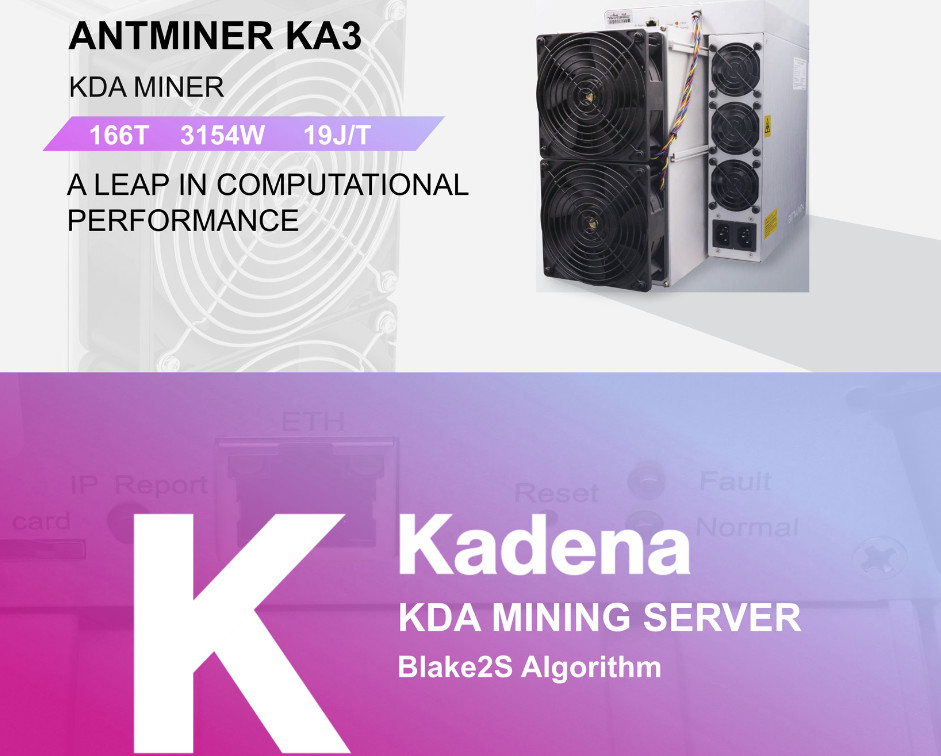
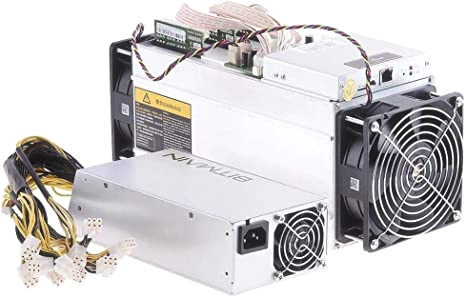
To start mining Bitcoin, you need specialized hardware known as ASIC (Application-Specific Integrated Circuit) miners. These devices are designed specifically for mining cryptocurrencies and are far more efficient than traditional computers.
- ASIC Miners: These are the most common devices used for Bitcoin mining. They offer high hash rates and energy efficiency.
- Power Supply Units (PSUs): A reliable PSU is crucial to ensure your mining hardware operates effectively.
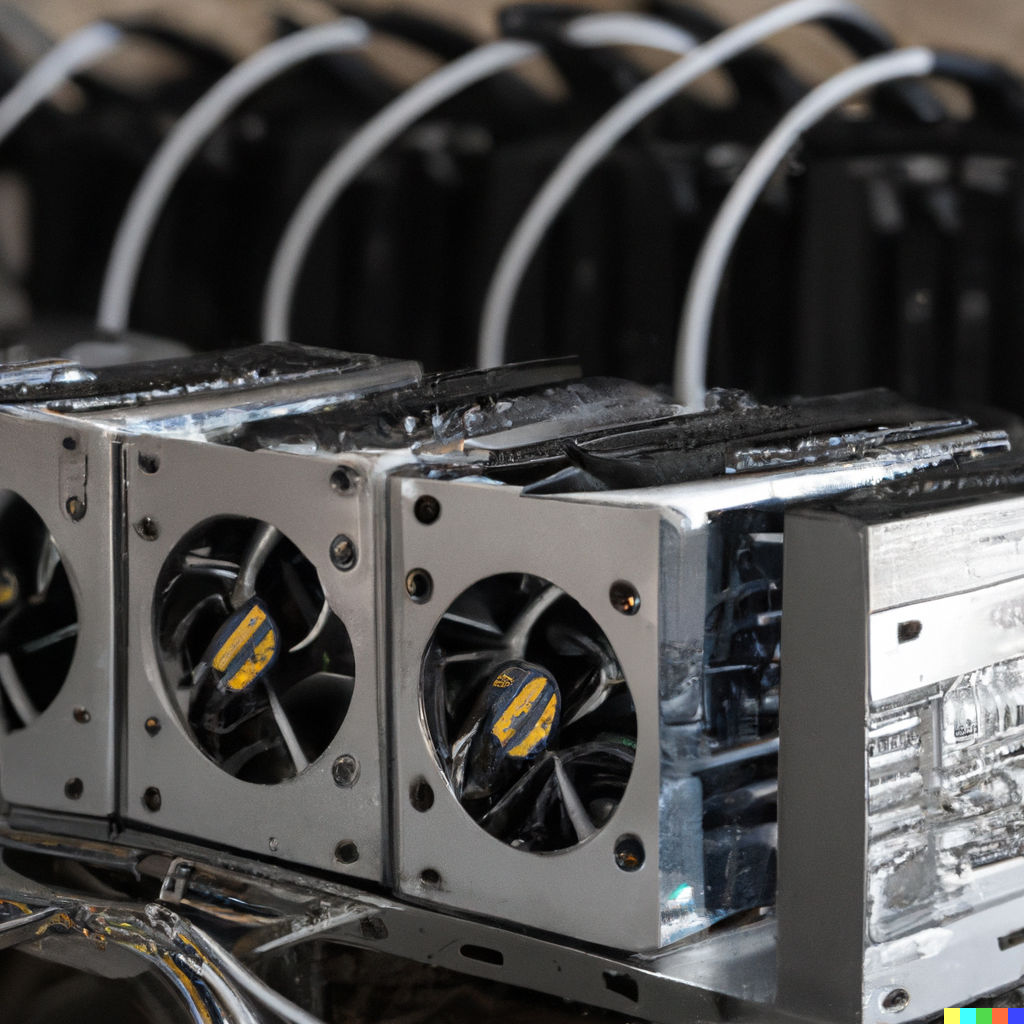
- Cooling Systems: Mining generates a lot of heat, so proper cooling is essential to maintain optimal performance.
For more detailed insights on importing Bitcoin miners, including shipping and customs regulations, check out this article from OneMiners.
Costs Involved in Bitcoin Mining
The costs of Bitcoin mining can vary significantly based on several factors:
- Hardware Costs: The initial investment in ASIC miners can be substantial, often ranging from hundreds to thousands of dollars.
- Electricity Costs: Mining consumes a lot of power, and electricity rates can greatly impact profitability.
- Maintenance Costs: Regular maintenance of mining equipment is necessary to ensure efficiency and longevity.
Understanding these costs is crucial for anyone considering entering the mining space. For a broader perspective on the financial implications of Bitcoin, you might find this Bitcoin Magazine article insightful.
Regulatory Considerations
As Bitcoin mining grows in popularity, so does scrutiny from regulatory bodies. Different countries have varying regulations regarding cryptocurrency mining, which can affect operations significantly.
For instance, some regions may impose taxes on mining profits or require specific licenses to operate. It’s essential to stay informed about local laws to avoid potential legal issues.
For more on the legal landscape surrounding cryptocurrencies, consider reading this article from CoinDesk.
Conclusion
Bitcoin mining is a complex yet rewarding venture that requires careful planning and investment. By understanding the necessary equipment, costs, and regulatory landscape, you can make informed decisions and potentially succeed in this digital gold rush.