

Bitcoin mining has become a hot topic in the world of cryptocurrency, attracting both seasoned investors and newcomers alike. As the demand for Bitcoin continues to rise, understanding the intricacies of mining is essential for anyone looking to participate in this digital gold rush.
What is Bitcoin Mining?
At its core, Bitcoin mining is the process by which new bitcoins are created and transactions are verified on the Bitcoin network. Miners use powerful computers to solve complex mathematical problems, which helps secure the network and validate transactions. In return for their efforts, miners are rewarded with newly minted bitcoins and transaction fees.
The Equipment Needed for Mining
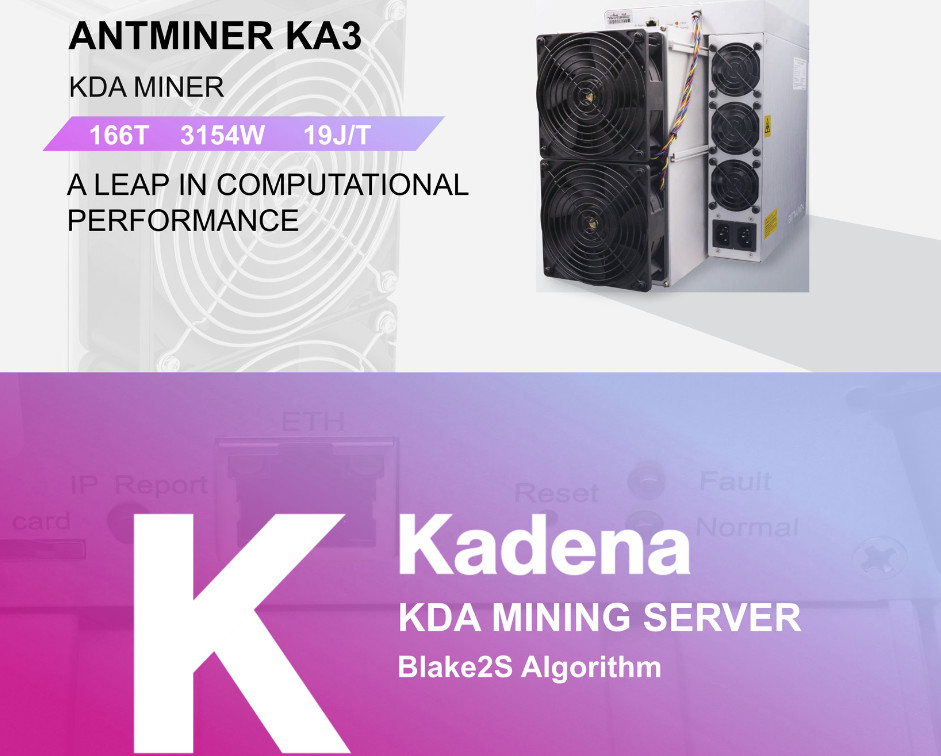
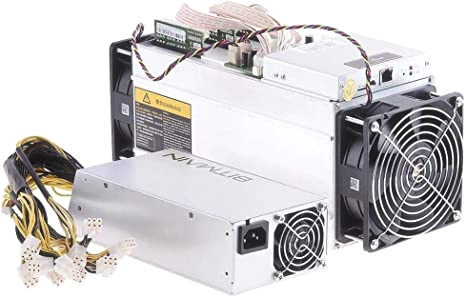
To start mining Bitcoin, you’ll need specialized hardware known as ASIC (Application-Specific Integrated Circuit) miners. These machines are designed specifically for mining cryptocurrencies and offer significantly higher efficiency compared to traditional computers.
- ASIC Miners: The most efficient hardware for Bitcoin mining.
- Power Supply Units: Essential for powering your mining rigs.
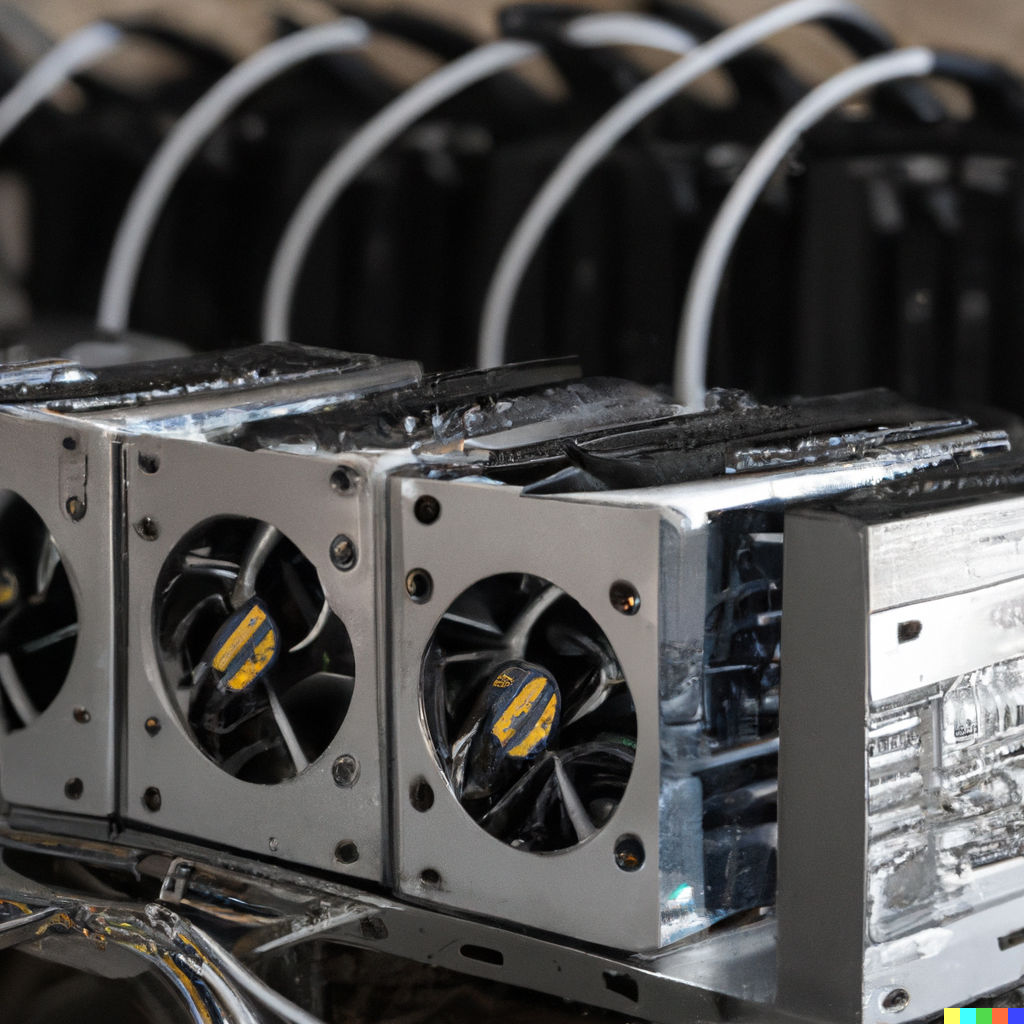
- Cooling Systems: Necessary to manage the heat generated by mining equipment.
For a deeper understanding of the logistics involved in acquiring mining equipment, consider reading the article on importing a Bitcoin miner from OneMiners, which covers shipping, customs, and VAT implications.
Costs Associated with Bitcoin Mining
Mining Bitcoin is not just about the initial investment in hardware; there are ongoing costs to consider as well. These include:
- Electricity Costs: Mining consumes a significant amount of energy, which can lead to high electricity bills.
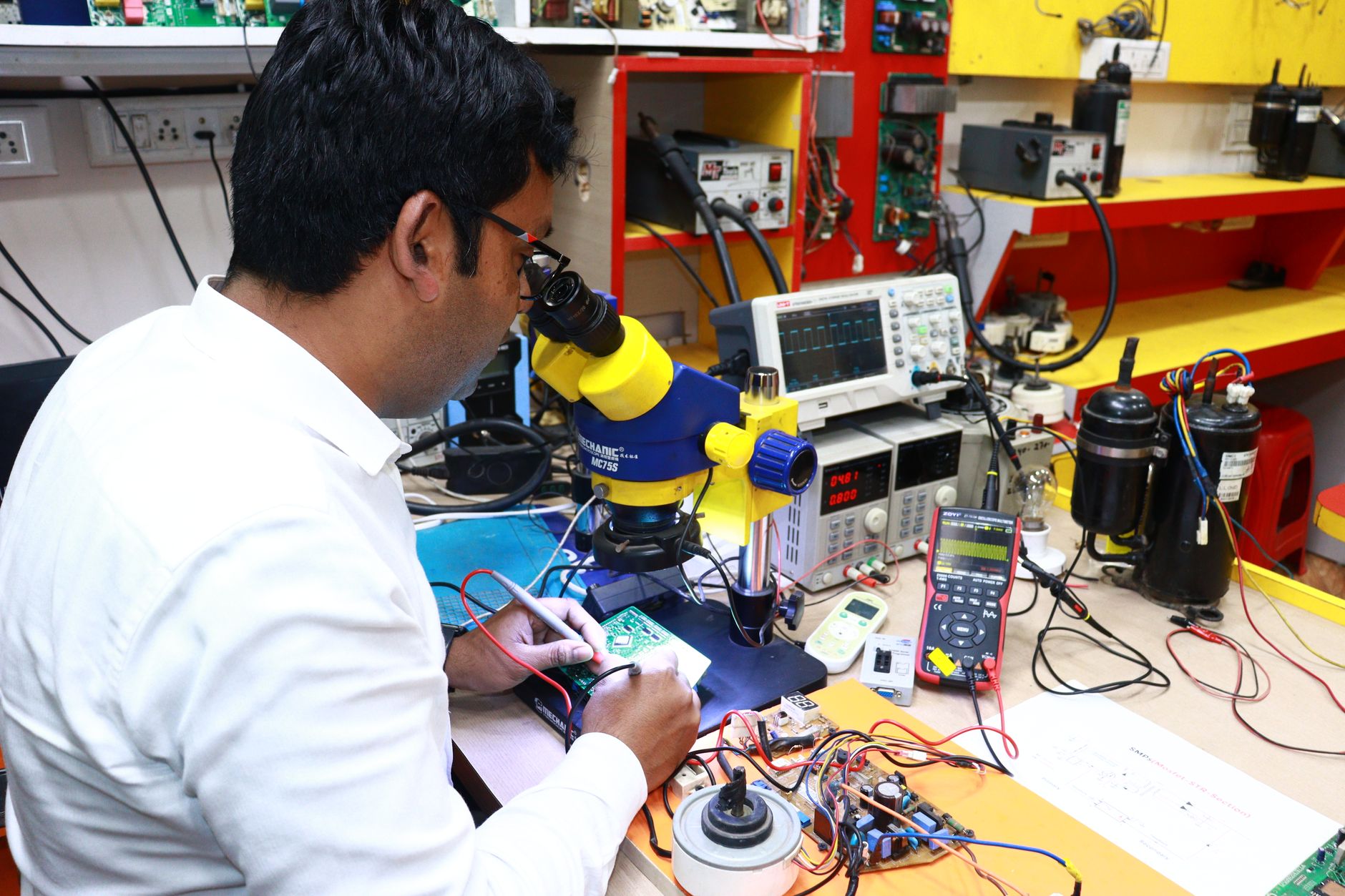
- Maintenance Costs: Regular maintenance is required to keep mining equipment running efficiently.
- Hosting Fees: If you choose to host your miners in a facility, there will be additional fees.
Understanding these costs is crucial for determining the profitability of your mining operation. For more insights on the financial aspects of cryptocurrency, check out CoinDesk’s article on crypto startups.
Regulatory Considerations
As Bitcoin mining continues to grow, so does the regulatory landscape surrounding it. Different countries have varying laws regarding cryptocurrency mining, which can affect your operations. It’s important to stay informed about:
- Tax Implications: Understand how your mining income will be taxed in your jurisdiction.
- Licensing Requirements: Some areas may require specific licenses to operate mining equipment.
- Environmental Regulations: Be aware of any regulations regarding energy consumption and emissions.
For a broader perspective on the implications of cryptocurrency regulations, consider reading the article on Palmer Luckey’s offshore haven for industry insights.
Conclusion
Bitcoin mining presents both opportunities and challenges. By understanding the equipment needed, costs involved, and regulatory landscape, you can make informed decisions about entering this exciting field. As the cryptocurrency market evolves, staying updated on the latest trends and regulations will be key to your success.