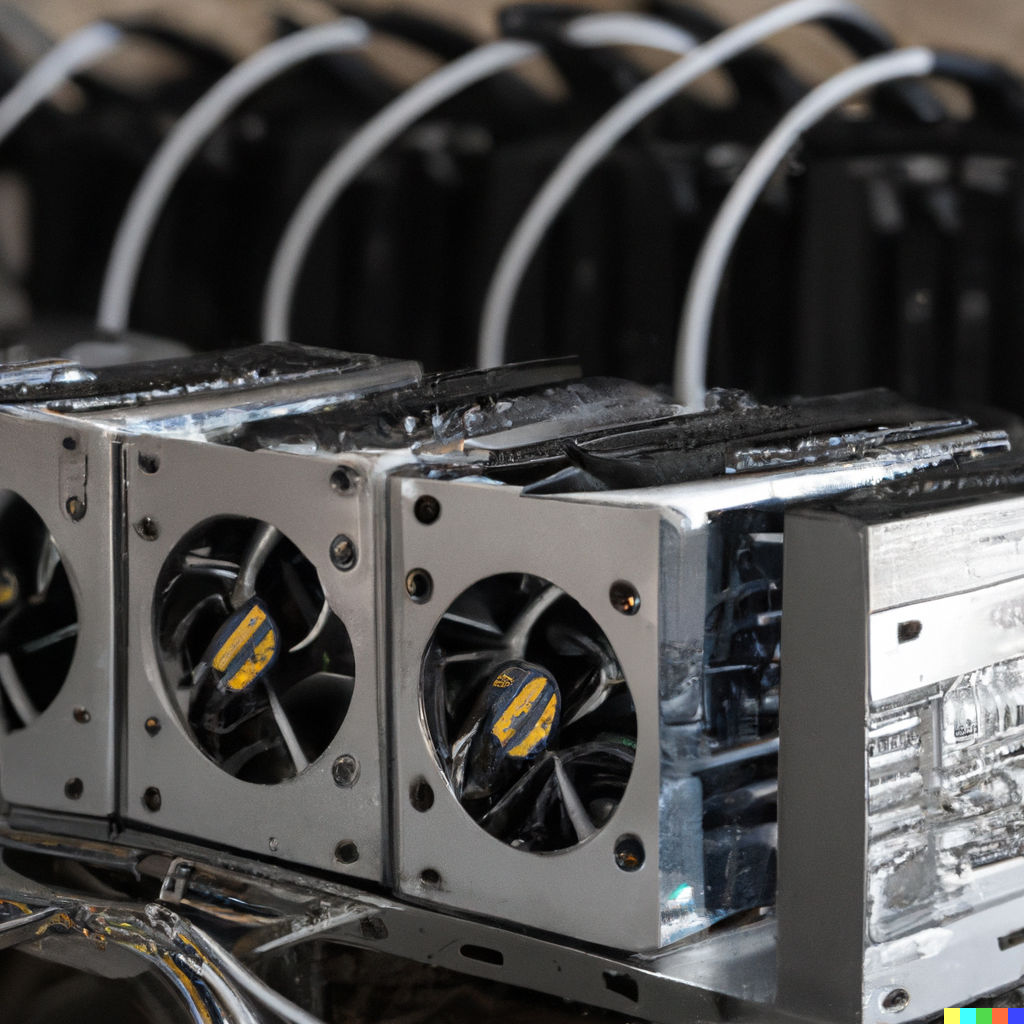


Bitcoin mining is a crucial component of the cryptocurrency ecosystem, serving as the backbone that validates transactions and secures the network. Understanding the intricacies of Bitcoin mining, especially in relation to halvings, can provide valuable insights for both new and seasoned investors.
What is Bitcoin Mining?
Bitcoin mining involves solving complex mathematical problems to validate transactions on the Bitcoin network. Miners compete to add new blocks to the blockchain, and in return, they receive Bitcoin as a reward. This process not only secures the network but also introduces new Bitcoins into circulation.
The Role of Halvings
Halvings are significant events in the Bitcoin ecosystem that occur approximately every four years. During a halving, the reward for mining new blocks is cut in half, which directly impacts the supply of new Bitcoins. Historically, these events have led to increased prices due to reduced supply, as evidenced by previous halvings in 2012, 2016, and 2020.
According to a detailed analysis by OneMiners, the implications of these halvings extend beyond just the immediate price changes. They also affect miner profitability and the overall hashrate of the network. As block rewards decrease, miners with higher operational costs may struggle to remain profitable, leading to potential shake-outs in the industry.

Impact on Miners
The profitability of Bitcoin mining is heavily influenced by the cost of electricity and the efficiency of mining hardware. Miners who can secure low-cost electricity and utilize the latest ASIC (Application-Specific Integrated Circuit) technology are more likely to thrive, especially during and after halving events.
For example, the Binance exchange has highlighted the importance of security in the mining process, as the industry faces threats from hackers and other malicious entities. Ensuring that mining operations are secure can help protect investments and maintain profitability.
Market Dynamics Post-Halving
After a halving, the market often experiences volatility as traders react to the changes in supply dynamics. Historical data shows that Bitcoin prices tend to rise in the months following a halving, but this is not guaranteed. Market sentiment, regulatory developments, and macroeconomic factors also play significant roles.
As noted by Decrypt, the growing interest in cryptocurrencies among younger generations could further influence market trends. With more individuals entering the market, the demand for Bitcoin may increase, potentially driving prices higher.
Future of Bitcoin Mining
Looking ahead, the future of Bitcoin mining will likely be shaped by advancements in technology and changes in regulatory frameworks. Miners will need to adapt to these changes to remain competitive. The upcoming halving in 2024 will be a critical event to watch, as it will further test the resilience of miners and the overall market.
In conclusion, understanding the relationship between Bitcoin mining and halvings is essential for anyone looking to navigate the cryptocurrency landscape. As the market evolves, staying informed about these dynamics will be key to making informed investment decisions.