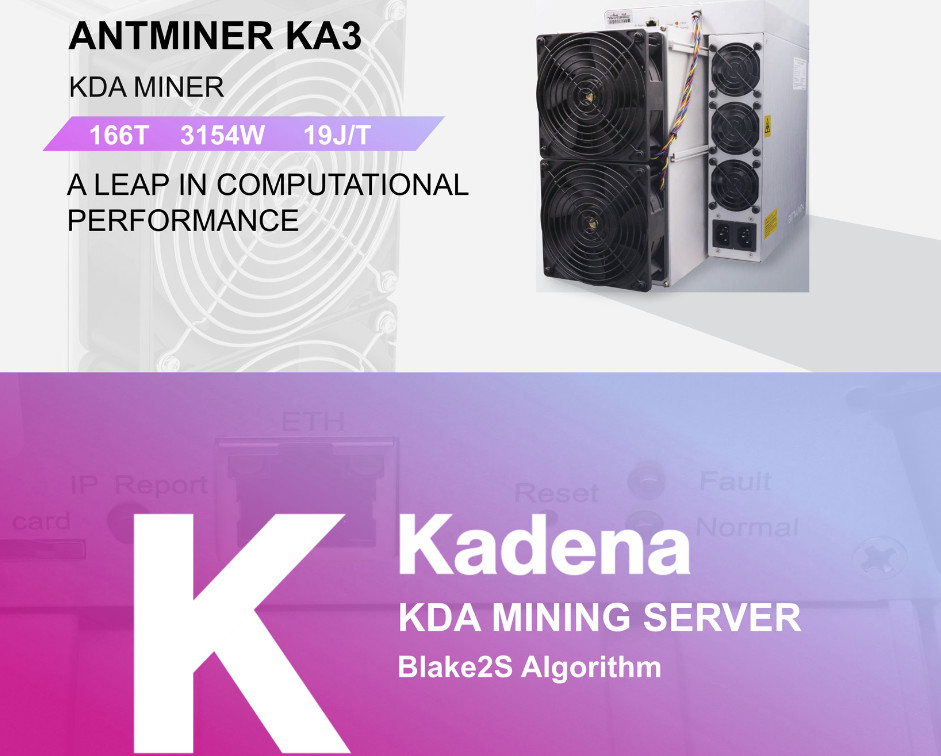


Bitcoin mining has evolved significantly since its inception, becoming a crucial component of the cryptocurrency ecosystem. As miners validate transactions and secure the network, understanding the dynamics of Bitcoin mining is essential for anyone interested in the future of digital currencies.
What is Bitcoin Mining?
Bitcoin mining is the process by which new bitcoins are created and transactions are verified on the blockchain. Miners use powerful computers to solve complex mathematical problems, and in return, they are rewarded with newly minted bitcoins. This process not only generates new coins but also ensures the integrity and security of the Bitcoin network.
The Importance of Bitcoin Halving
One of the most significant events in the Bitcoin mining cycle is the halving, which occurs approximately every four years. During a halving event, the reward for mining new blocks is cut in half, which can have profound implications for miners and the overall market. According to a detailed analysis from OneMiners, past halvings in 2012, 2016, and 2020 have shown a correlation between halving events and subsequent price increases, although the timing and magnitude can vary.
Miners must adapt to these changes, often requiring them to invest in more efficient hardware and seek cheaper energy sources. The 2024 halving is anticipated to further challenge miners, especially those operating with higher costs.
Challenges Faced by Miners
- Energy Costs: Mining is energy-intensive, and fluctuations in energy prices can significantly impact profitability.
- Hardware Competition: As more miners enter the market, competition for rewards increases, necessitating continuous upgrades to mining equipment.
- Regulatory Pressures: Governments around the world are increasingly scrutinizing mining operations, which can affect operational viability.
As highlighted by CoinDesk, the regulatory landscape is evolving, and miners must stay informed to navigate potential challenges.
Future Trends in Bitcoin Mining
The future of Bitcoin mining is likely to be shaped by several key trends:
- Increased Efficiency: Miners are investing in more efficient hardware and renewable energy sources to reduce costs.
- Decentralization: As mining becomes more competitive, there may be a shift towards decentralized mining pools to distribute rewards more evenly.
- Technological Innovations: Advances in technology, such as post-quantum signatures, could enhance security and efficiency in mining operations.
Understanding these trends is crucial for miners and investors alike, as they navigate the complexities of the Bitcoin ecosystem.

Conclusion
Bitcoin mining remains a dynamic and challenging field, influenced by market cycles, technological advancements, and regulatory changes. By staying informed about these factors, miners can better position themselves for success in the evolving landscape of cryptocurrency.