

Bitcoin mining is a crucial process that ensures the security and integrity of the Bitcoin network. It involves solving complex mathematical problems to validate transactions and add them to the blockchain. This article aims to provide a comprehensive understanding of Bitcoin mining, its technology, and its implications in the cryptocurrency market.
What is Bitcoin Mining?
At its core, Bitcoin mining is the process of creating new bitcoins and verifying transactions on the Bitcoin network. Miners use powerful computers to solve cryptographic puzzles, and in return, they are rewarded with newly minted bitcoins. This process is essential for maintaining the decentralized nature of Bitcoin, as it prevents double-spending and ensures that all transactions are legitimate.
The Technology Behind Bitcoin Mining
Bitcoin mining relies on a technology called blockchain, which is a distributed ledger that records all transactions. Each block in the blockchain contains a list of transactions, and miners compete to solve the mathematical puzzle associated with each block. The first miner to solve the puzzle gets to add the block to the blockchain and is rewarded with bitcoins.
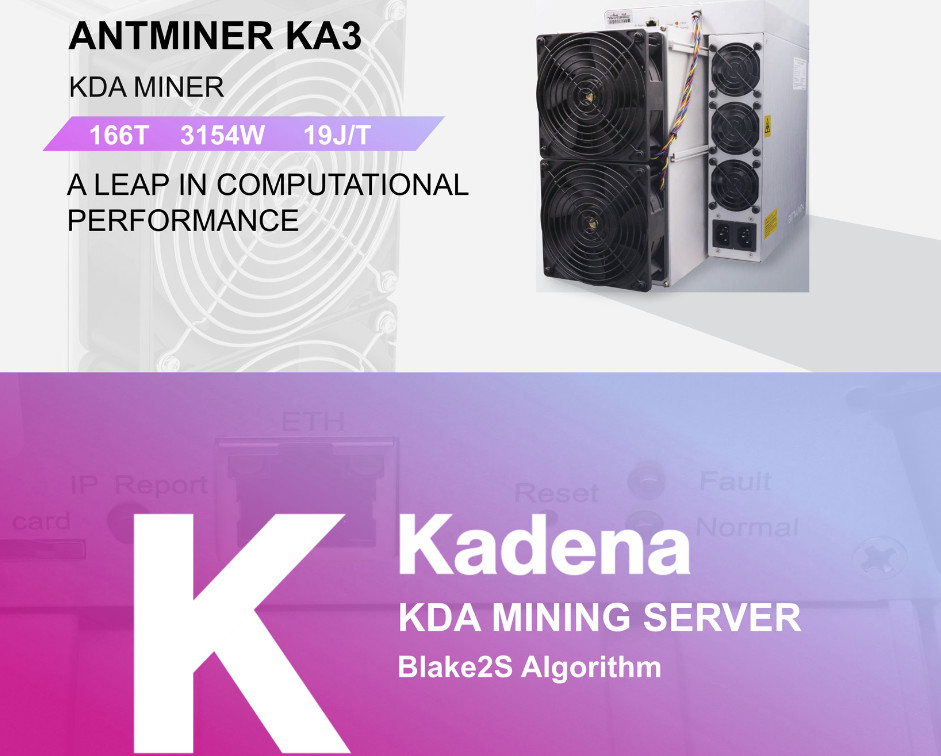
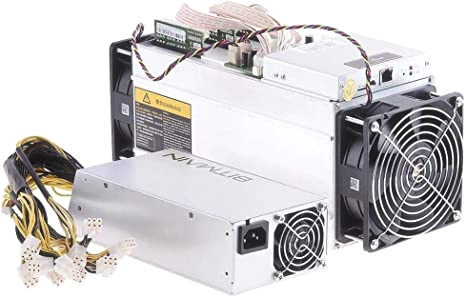
Mining requires specialized hardware known as ASICs (Application-Specific Integrated Circuits), which are designed specifically for mining cryptocurrencies. These devices are much more efficient than traditional CPUs or GPUs, allowing miners to solve puzzles faster and increase their chances of earning rewards.

The Impact of Bitcoin Mining on the Market
Bitcoin mining has significant implications for the cryptocurrency market. As more miners join the network, the difficulty of mining increases, which can lead to fluctuations in the price of Bitcoin. For instance, recent market trends have shown that Bitcoin’s price can be affected by the overall mining activity and the number of miners participating in the network.
According to Bitcoin Magazine, Bitcoin recently experienced a price drop below $60,000, attributed to various factors including market sell-offs and regulatory news. Such events can influence miners’ profitability and their decisions to continue mining.
Environmental Concerns
One of the most pressing issues surrounding Bitcoin mining is its environmental impact. The energy consumption associated with mining operations has raised concerns among environmentalists and regulators alike. Mining facilities often require substantial amounts of electricity, leading to discussions about sustainable practices in the industry.
For example, a report from CoinDesk highlights the need for regulatory frameworks to address these environmental concerns, as countries look to balance innovation with sustainability.
Future of Bitcoin Mining
The future of Bitcoin mining is uncertain, with ongoing developments in technology and regulation. As the market evolves, miners may need to adapt to new challenges, including increased competition and changing energy costs. Innovations in mining technology, such as more energy-efficient hardware and renewable energy sources, could play a crucial role in shaping the industry’s future.
Additionally, the regulatory landscape is also changing. As noted by Decrypt, new laws and regulations may impact how mining operations are conducted, influencing everything from operational costs to compliance requirements.
Conclusion
Bitcoin mining is a complex and evolving field that plays a vital role in the cryptocurrency ecosystem. Understanding the technology, market dynamics, and environmental implications is essential for anyone interested in this space. As the industry continues to grow, staying informed about developments will be crucial for miners and investors alike.