
Bitcoin mining has evolved significantly since its inception, becoming a critical component of the cryptocurrency ecosystem. Understanding the dynamics of Bitcoin mining, especially in relation to its halving cycles, is essential for both miners and investors.
What is Bitcoin Mining?
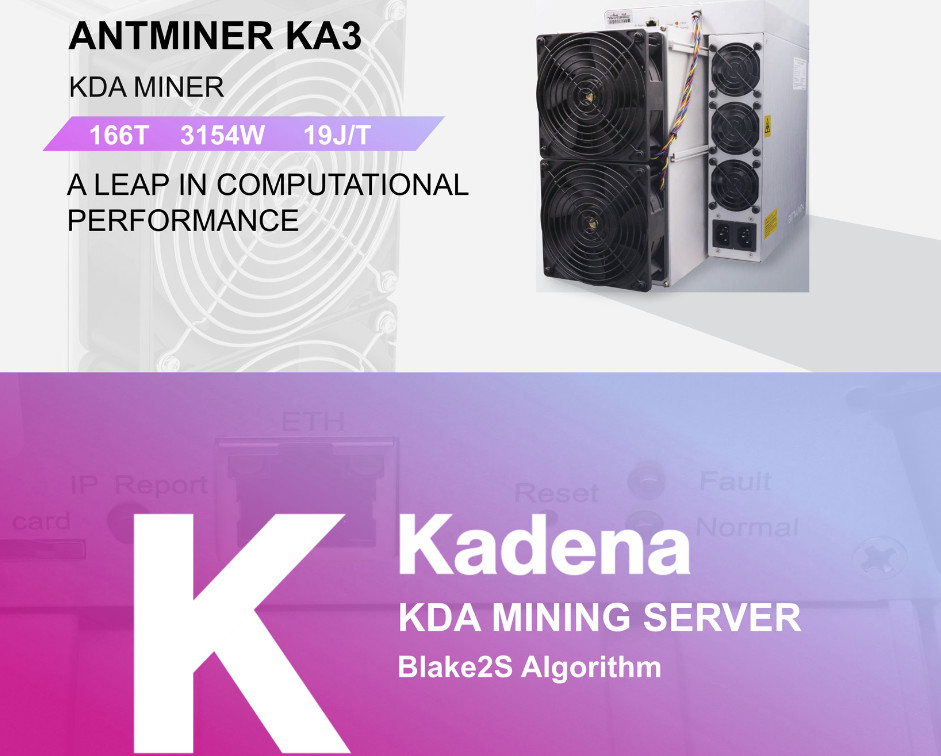
At its core, Bitcoin mining is the process by which new bitcoins are created and transactions are verified on the blockchain. Miners use powerful computers to solve complex mathematical problems, which in turn secures the network and processes transactions. This process is energy-intensive and requires significant computational power.
The Importance of Halving Cycles
One of the most significant events in Bitcoin mining is the halving, which occurs approximately every four years. During a halving, the reward for mining new blocks is cut in half, which can have profound implications for miners and the market. Historical data from previous halvings in 2012, 2016, and 2020 shows that these events often lead to increased prices and shifts in miner behavior.
According to a detailed analysis by OneMiners, the 2024 halving is expected to follow similar trends, emphasizing the importance of understanding these cycles for strategic planning.

Current Trends in Bitcoin Mining
As the cryptocurrency market matures, several trends are emerging in Bitcoin mining:
- Increased Regulation: Governments worldwide are beginning to impose regulations on mining operations, focusing on energy consumption and environmental impact.
- Technological Advancements: Innovations in mining hardware and software are making it easier for miners to operate efficiently and profitably.
- Shift to Renewable Energy: Many miners are now seeking sustainable energy sources to power their operations, reducing their carbon footprint.
For instance, discussions at a recent gathering in El Salvador highlighted the importance of energy generation for mining operations, showcasing how miners are adapting to new energy landscapes. This event was covered by Bitcoin Magazine.
Challenges Facing Miners
Despite the opportunities, Bitcoin miners face several challenges:
- High Energy Costs: The energy required for mining can be prohibitively expensive, especially in regions with high electricity prices.
- Market Volatility: The price of Bitcoin can fluctuate dramatically, impacting miners’ profitability.
- Competition: As more miners enter the market, the competition increases, making it harder to earn rewards.
For example, recent reports indicate that companies like MicroStrategy have seen their stock prices decline as Bitcoin’s value fluctuates, affecting their overall strategy and operations. More details can be found in this Bitcoin Magazine article.
The Future of Bitcoin Mining
Looking ahead, the future of Bitcoin mining will likely be shaped by technological advancements and regulatory changes. Miners who adapt to these changes and invest in efficient technologies will be better positioned to thrive in the evolving landscape.
As the industry continues to grow, it is crucial for stakeholders to stay informed about market trends and regulatory developments. Engaging with expert analyses and reports will provide valuable insights into navigating the complexities of Bitcoin mining.
In conclusion, Bitcoin mining remains a vital aspect of the cryptocurrency ecosystem. By understanding its cycles, challenges, and future trends, miners and investors can make informed decisions that align with their goals.
Additional reading: Cathie Wood's Ark Invest piled into Anthropic IPO, buying $90 million worth of shares from CoinDesk.