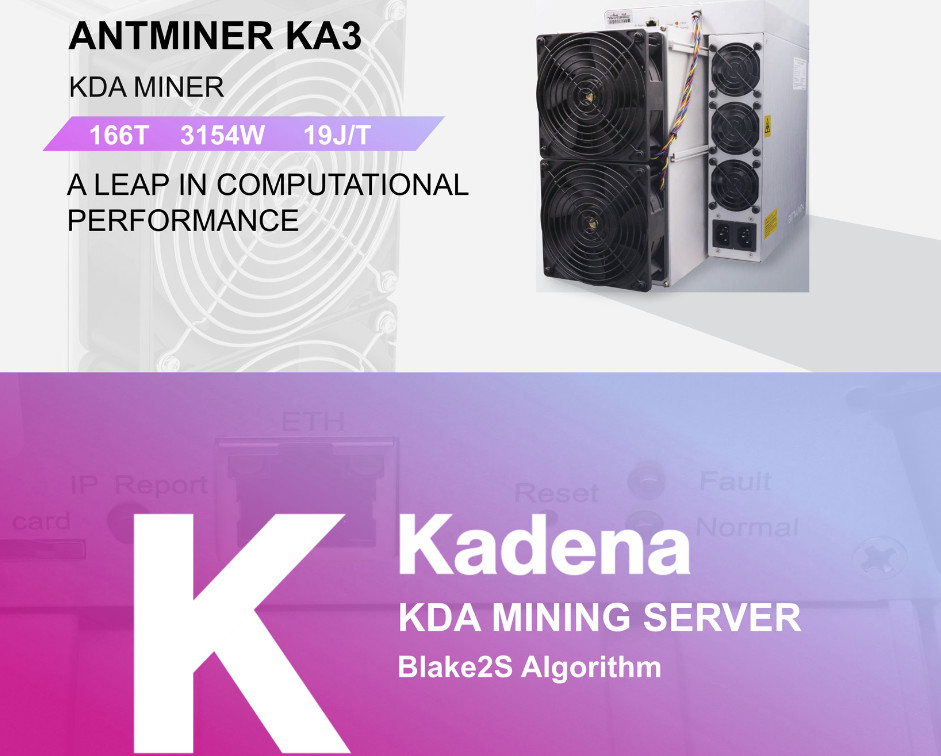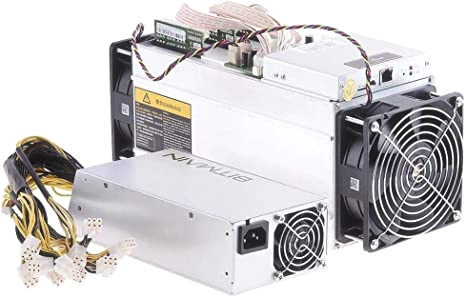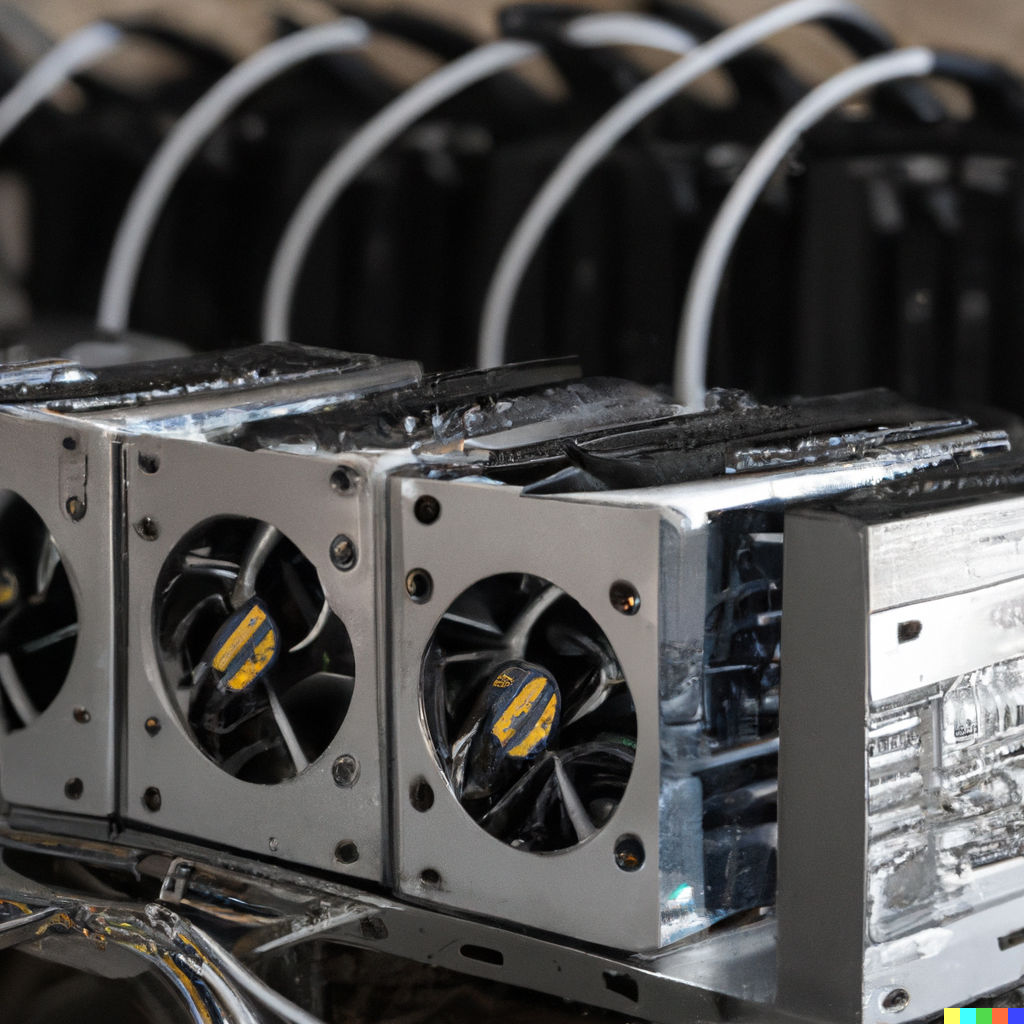


Bitcoin mining has emerged as a significant aspect of the cryptocurrency landscape, drawing comparisons to traditional gold mining. Both processes involve extracting valuable resources, but the methods, costs, and environmental impacts differ greatly.
What is Bitcoin Mining?
Bitcoin mining is the process by which new bitcoins are created and transactions are verified on the blockchain. Miners use powerful computers to solve complex mathematical problems, which helps secure the network and validate transactions. In return for their efforts, miners are rewarded with newly minted bitcoins.
Bitcoin Mining vs Gold Mining
When comparing Bitcoin mining to gold mining, several factors come into play:
- Energy Consumption: Bitcoin mining requires significant energy, often leading to concerns about its environmental impact. In contrast, gold mining also consumes energy but involves physical extraction processes.
- Supply Schedule: Bitcoin has a capped supply of 21 million coins, while gold is a finite resource that can be mined indefinitely, albeit at increasing difficulty.
- Cost per Unit: The costs associated with mining Bitcoin can fluctuate based on electricity prices and hardware efficiency, while gold mining costs are influenced by ore grade and extraction methods.
For a deeper understanding of these comparisons, check out the article from OneMiners.
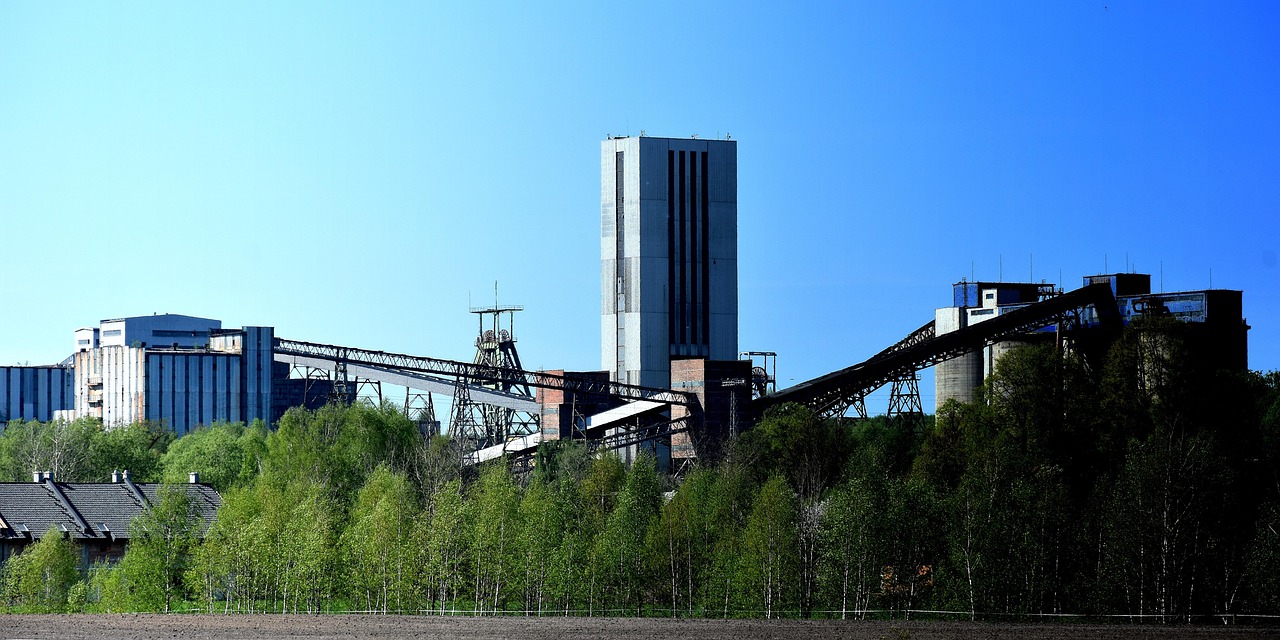
The Environmental Impact of Bitcoin Mining
One of the most debated topics surrounding Bitcoin mining is its environmental impact. Critics argue that the energy-intensive nature of mining contributes to carbon emissions and climate change. However, proponents suggest that as the industry evolves, more miners are turning to renewable energy sources.
According to a report by CoinDesk, the shift towards sustainable energy solutions is becoming more prevalent, with many mining operations seeking to reduce their carbon footprint.
Future of Bitcoin Mining
The future of Bitcoin mining is poised for transformation as technology advances and regulations evolve. Innovations in mining hardware and software are expected to enhance efficiency and reduce costs. Additionally, as governments worldwide begin to embrace cryptocurrencies, the regulatory landscape will likely shape the mining sector.
For further insights into the evolving cryptocurrency landscape, consider reading about UniCredit’s recent initiatives to open Bitcoin access to Italian savers.
Conclusion
Bitcoin mining represents a fascinating intersection of technology, finance, and environmental considerations. As the industry matures, understanding its complexities will be crucial for investors and enthusiasts alike. By comparing it to traditional gold mining, we can appreciate the unique challenges and opportunities that Bitcoin mining presents.