

Bitcoin mining has become a significant topic of discussion in the world of cryptocurrency. As digital currencies gain traction, understanding the mechanics of Bitcoin mining is essential for both enthusiasts and investors.
What is Bitcoin Mining?
Bitcoin mining is the process by which new bitcoins are created and transactions are verified on the Bitcoin network. Miners use powerful computers to solve complex mathematical problems, which helps secure the network and validate transactions. In return for their efforts, miners are rewarded with newly minted bitcoins.
The Process of Mining
The mining process involves several steps:
- Transaction Verification: Miners collect and verify transactions from the Bitcoin network.
- Block Creation: Verified transactions are grouped into a block.
- Solving the Puzzle: Miners compete to solve a cryptographic puzzle, which requires significant computational power.
- Adding to the Blockchain: The first miner to solve the puzzle adds the block to the blockchain and receives a reward.
Environmental Impact of Bitcoin Mining
One of the most debated aspects of Bitcoin mining is its environmental impact. The energy consumption associated with mining operations has raised concerns among environmentalists. According to a OneMiners article, Bitcoin mining consumes a significant amount of energy, comparable to that of entire countries.
Comparing Bitcoin Mining to Gold Mining
When comparing Bitcoin mining to traditional gold mining, several factors come into play:
- Energy Consumption: Bitcoin mining is often criticized for its high energy usage.
- Accessibility: Anyone with the right equipment can participate in Bitcoin mining, unlike gold mining, which requires substantial investment.
- Environmental Concerns: Both forms of mining have significant environmental footprints, but the digital nature of Bitcoin mining raises unique challenges.
Technological Advances in Mining
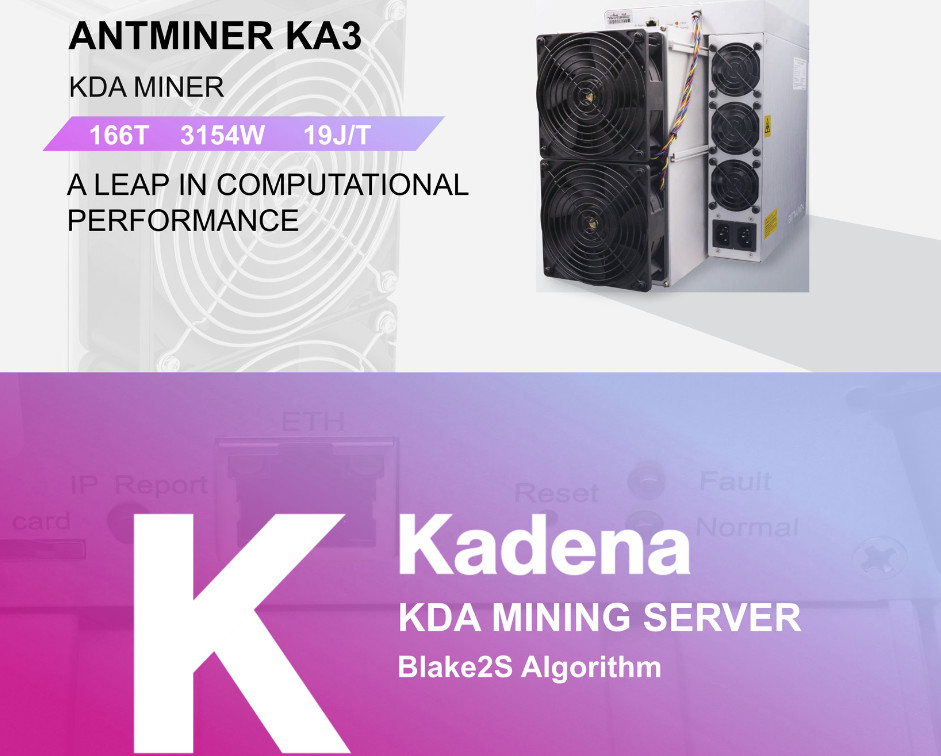
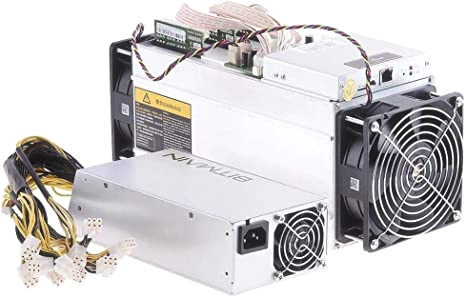
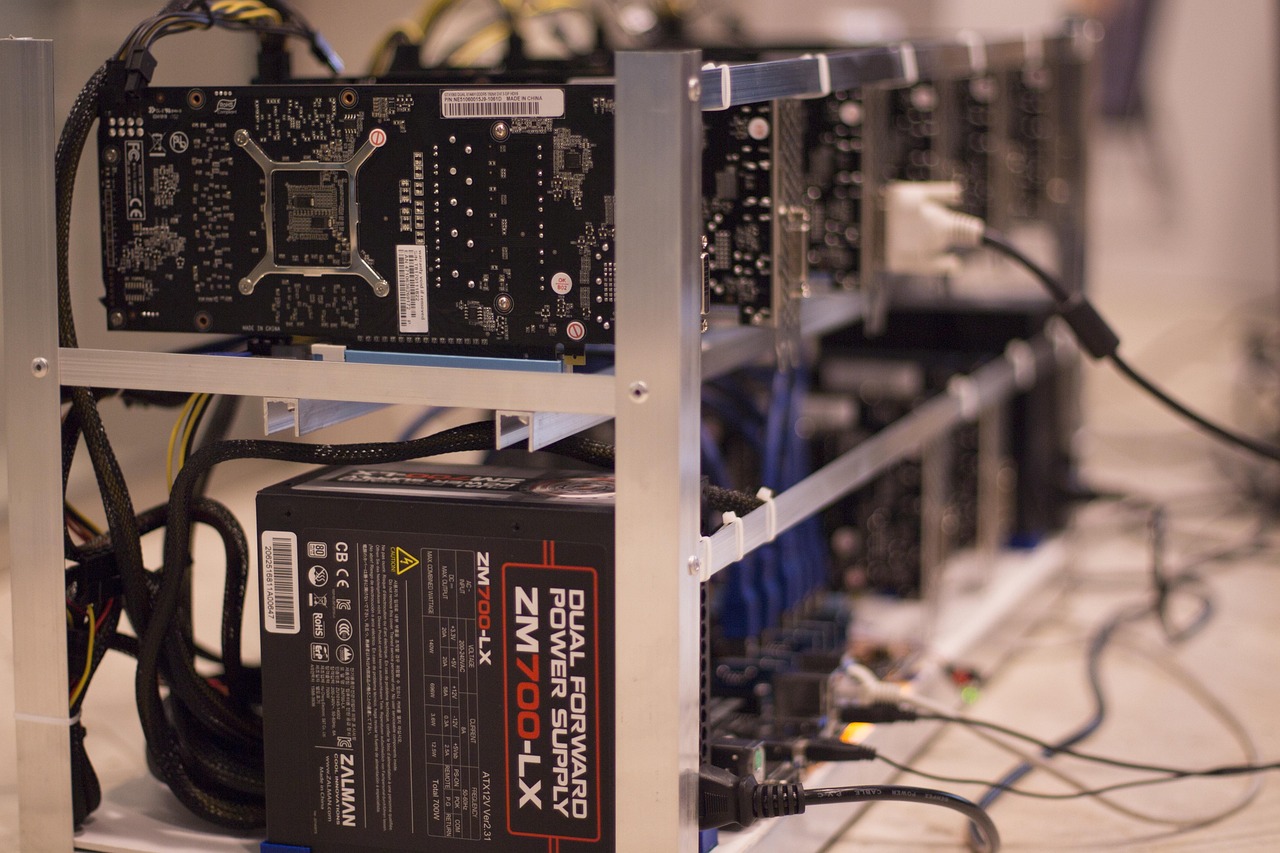
As technology evolves, so does the efficiency of Bitcoin mining. Innovations in hardware, such as ASIC (Application-Specific Integrated Circuit) miners, have drastically improved mining capabilities. These specialized devices are designed specifically for mining and offer higher hash rates with lower energy consumption.
Future of Bitcoin Mining
The future of Bitcoin mining is uncertain, with ongoing discussions about regulation and sustainability. As governments and organizations push for greener practices, miners may need to adapt to new standards. For instance, CoinDesk highlights the evolving regulatory landscape that could impact mining operations.
Additional reading: André Dragosch: Bitcoin at “Fire Sale” Valuations Heading Into Fed Pivot from Bitcoin Magazine.

Conclusion
Bitcoin mining is a complex and evolving field that plays a crucial role in the cryptocurrency ecosystem. Understanding its mechanics, environmental impact, and future challenges is essential for anyone interested in this digital frontier. As the industry continues to grow, staying informed about technological advancements and regulatory changes will be vital.