
Bitcoin mining has evolved significantly since its inception, with technology playing a crucial role in its efficiency and profitability. One of the most impactful advancements in this field is the development of Application-Specific Integrated Circuits (ASICs). These chips are designed specifically for mining Bitcoin, optimizing performance and energy consumption.
What are ASIC Chips?
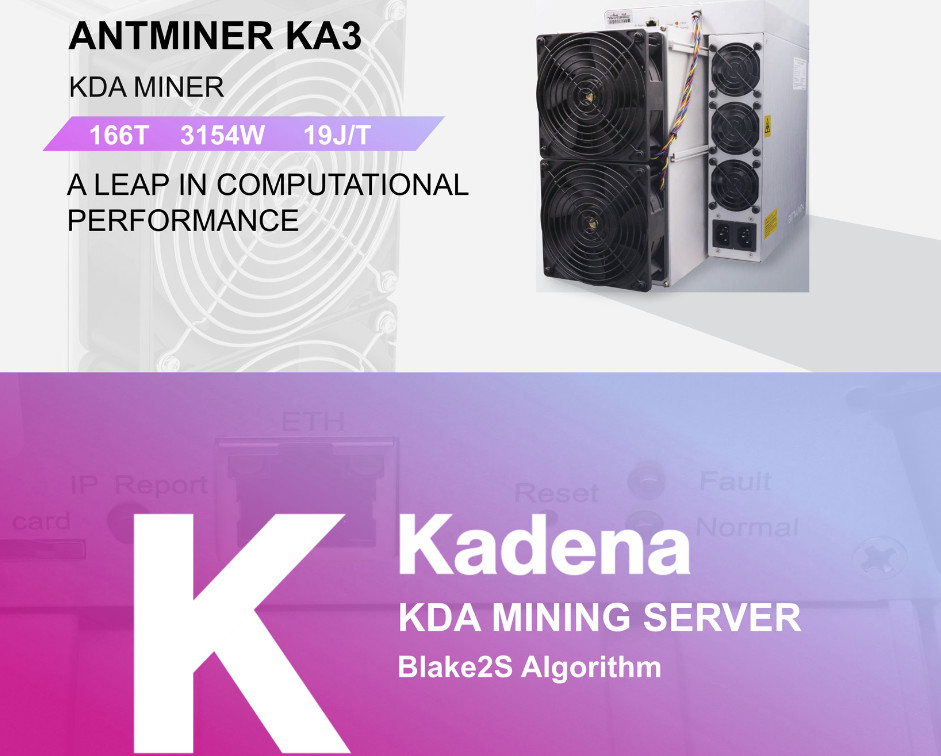
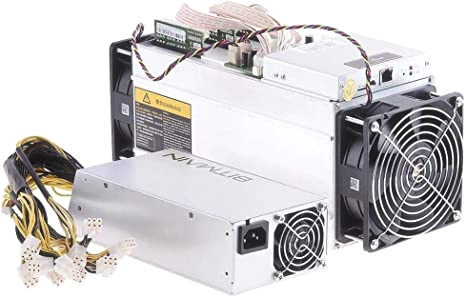
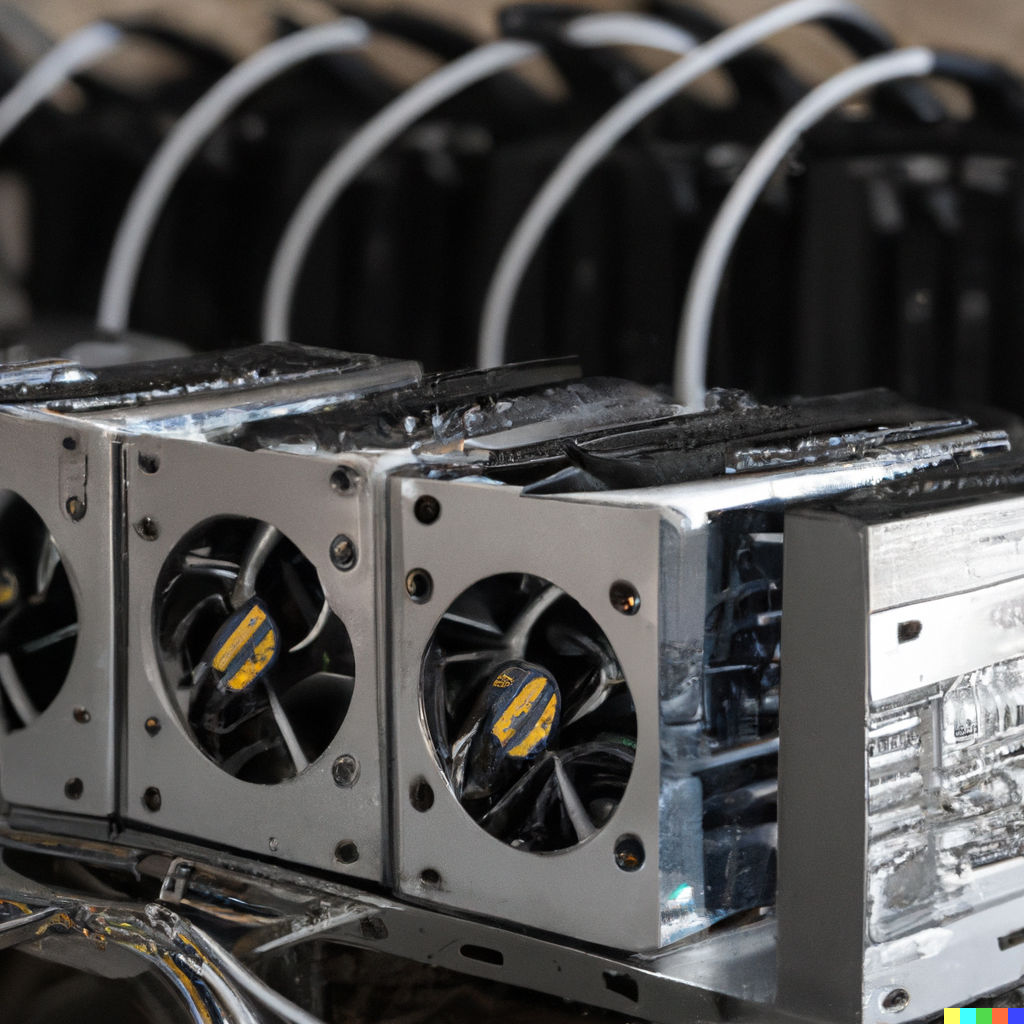
ASIC chips are specialized hardware designed to perform a specific task—in this case, mining Bitcoin. Unlike general-purpose hardware like CPUs or GPUs, ASICs are tailored to execute the SHA-256 hashing algorithm used in Bitcoin mining. This specialization allows them to operate at much higher efficiency levels.
Efficiency and Performance
According to a recent article from OneMiners, the efficiency of ASIC chips has dramatically improved over the years. The transition from 5nm to 3nm chips has resulted in a significant reduction in energy consumption per terahash (J/TH). For instance, the efficiency has dropped from 21.5 J/TH to just 8.9 J/TH across generations, making mining operations more sustainable and cost-effective.
This efficiency is crucial as miners face increasing competition and fluctuating Bitcoin prices. The more efficient the mining operation, the better the chances of profitability, especially in a market where Bitcoin’s value can be volatile.
The Future of Bitcoin Mining
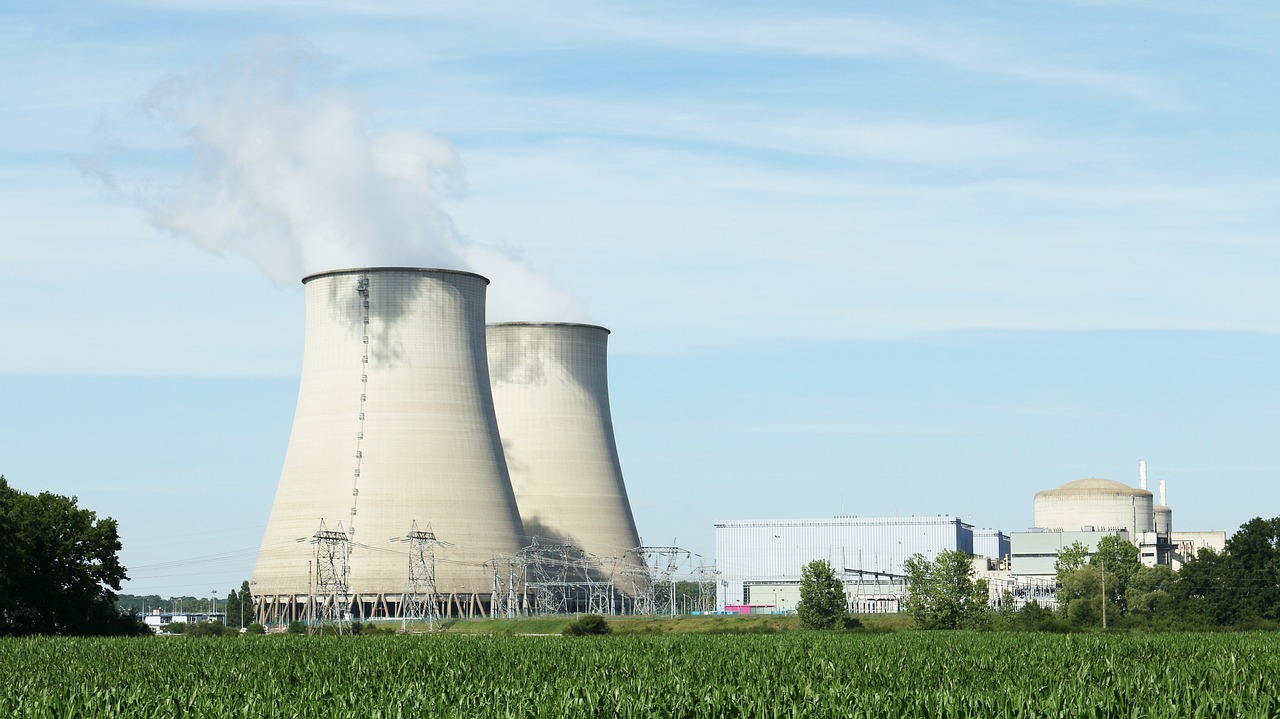
As the demand for Bitcoin continues to grow, so does the need for more efficient mining solutions. The latest ASIC technology not only enhances performance but also addresses environmental concerns associated with high energy consumption in mining operations. Miners are now looking for ways to integrate renewable energy sources to further reduce their carbon footprint.
Market Trends and Challenges
Recent reports indicate that Bitcoin is increasingly being stored in long-term wallets, with more Bitcoin being moved into “deep storage” than being mined. As noted by Bitcoin Magazine, miners produce approximately 450 new Bitcoins daily, while around 630 are being transferred to wallets that have been inactive for a decade. This trend raises questions about the future supply of Bitcoin and the sustainability of mining operations.
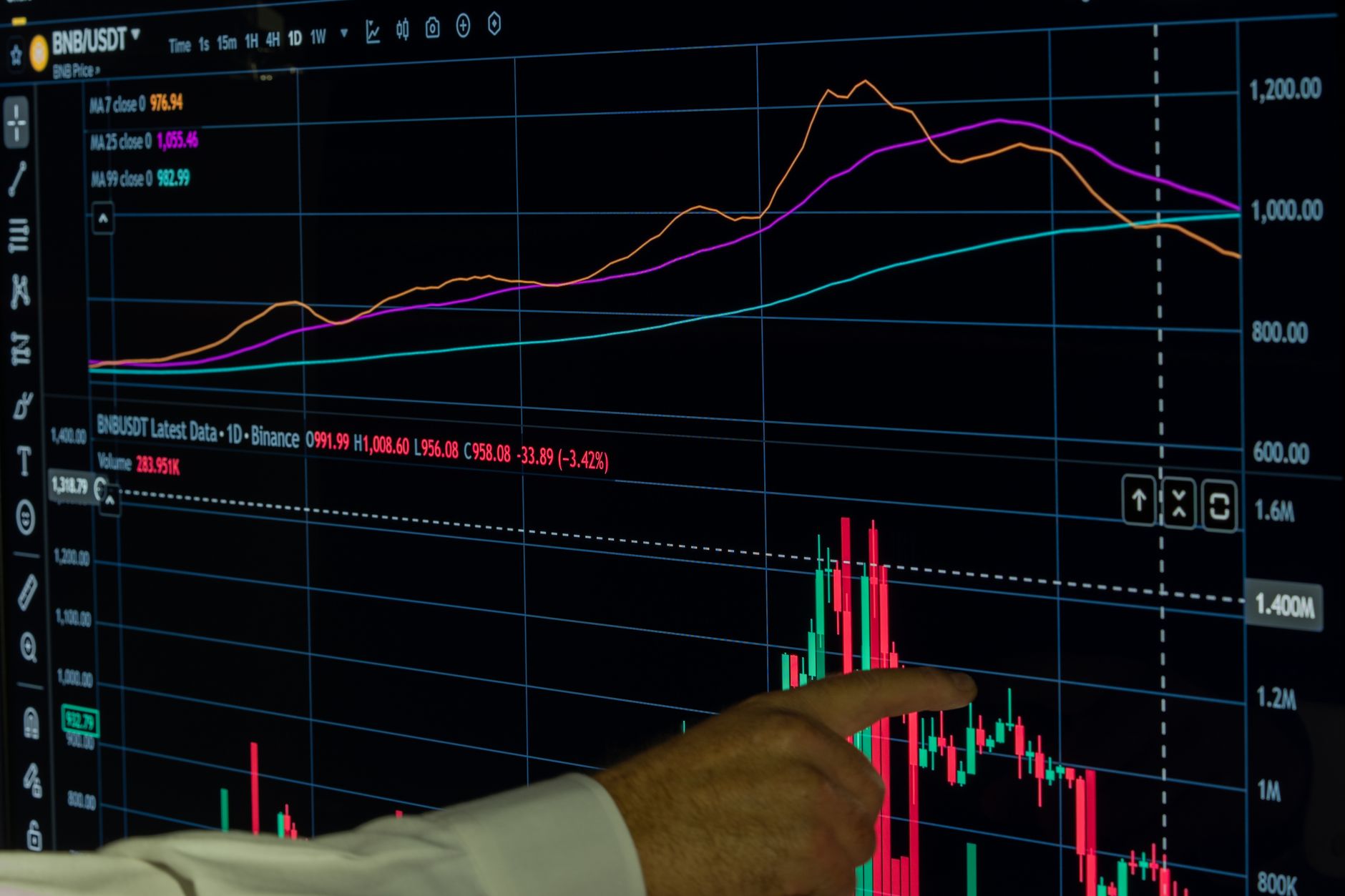
Moreover, external factors such as regulatory changes and market sentiment can significantly impact mining profitability. For instance, the recent decision by the French Senate to block new crypto taxes could influence mining operations in Europe, as highlighted by CoinDesk.
Conclusion
In conclusion, the evolution of ASIC chips has transformed Bitcoin mining, making it more efficient and sustainable. As the market continues to change, miners must adapt to new technologies and regulatory environments to remain competitive. Understanding these dynamics is essential for anyone involved in the cryptocurrency space.