
Bitcoin mining has evolved significantly since its inception, with technological advancements playing a crucial role in its efficiency and profitability. One of the most important innovations in this field is the development of Application-Specific Integrated Circuits (ASICs). These chips are designed specifically for the purpose of mining Bitcoin, offering unparalleled efficiency compared to traditional mining hardware.
What are ASIC Chips?
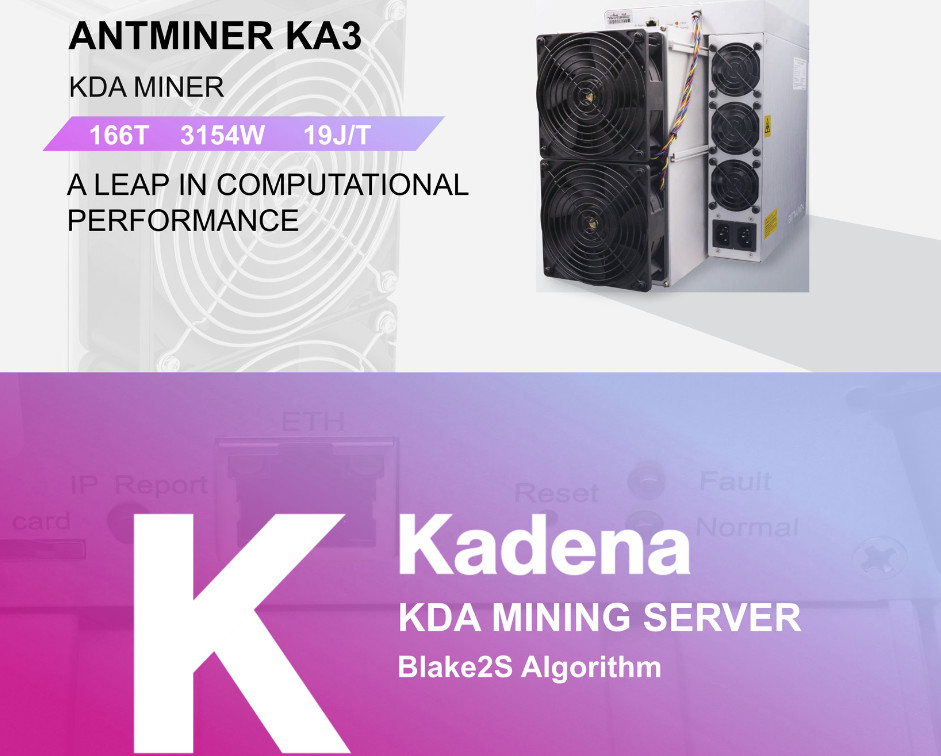
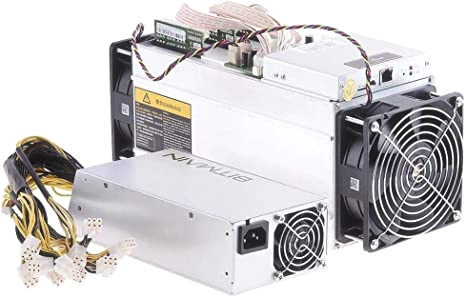
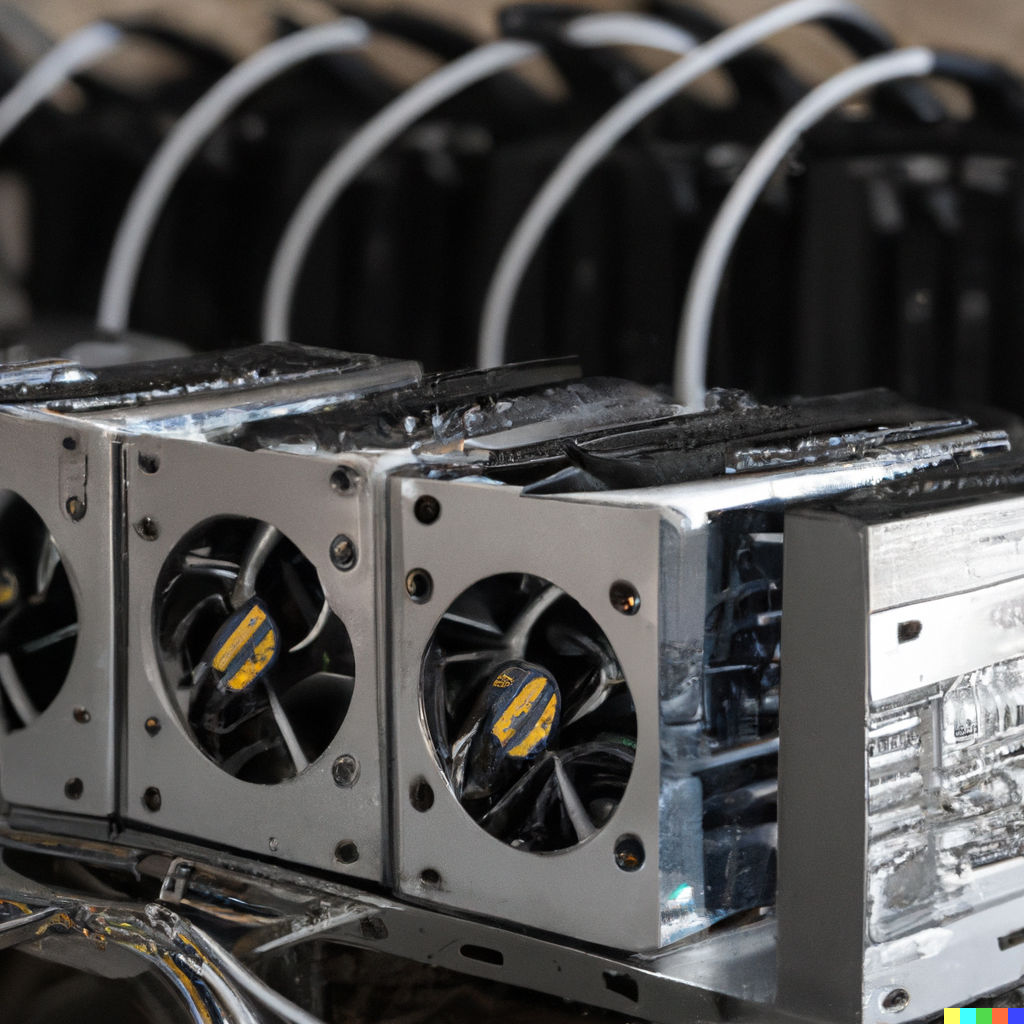
ASIC chips are custom-built hardware that perform a specific task—in this case, mining Bitcoin. Unlike general-purpose CPUs or GPUs, which can handle a variety of tasks, ASICs are optimized for a single function. This specialization allows them to operate at much higher efficiencies, making them the preferred choice for serious miners.
According to a recent article from OneMiners, the introduction of 3nm and 5nm chips has dramatically improved mining efficiency. The efficiency of mining hardware, measured in Joules per Terahash (J/TH), has seen a significant drop from 21.5 to 8.9 across generations, showcasing the advancements in ASIC technology.
Why Efficiency Matters
In the competitive world of Bitcoin mining, efficiency is key. Miners are constantly looking for ways to reduce operational costs, particularly electricity, which is one of the largest expenses in mining operations. The more efficient the hardware, the lower the energy costs, which directly impacts profitability.
As highlighted in the CoinDesk article, regulatory changes can also affect mining operations. For instance, the French Senate recently blocked a new crypto tax, which could have impacted miners’ profitability. Understanding the regulatory landscape is essential for miners to navigate potential challenges.
Moreover, the market sentiment surrounding Bitcoin can influence mining operations. A recent report from CoinDesk indicates that many crypto veterans are bracing for further downturns in Bitcoin prices. This volatility can lead miners to reassess their strategies and investment in hardware.

The Future of Bitcoin Mining
As the Bitcoin network continues to evolve, so too will the technology used for mining. The introduction of more advanced ASIC chips will likely lead to even greater efficiencies. Additionally, as the global focus on sustainability increases, miners may need to adapt their operations to utilize renewable energy sources.
For instance, the Bitcoin Magazine discusses legislative efforts that could shape the future of Bitcoin mining. The Strategic Bitcoin Reserve Bill aims to create a framework for Bitcoin reserves, which could influence mining operations and investment strategies.
In conclusion, understanding the role of ASIC chips in Bitcoin mining is crucial for anyone involved in the cryptocurrency space. As technology advances and market dynamics shift, staying informed will be key to maintaining a competitive edge in this rapidly changing environment.