
Best Bitcoin Mining Hosting in 2026: Why Hashprice Now Decides Everything
Choosing the best Bitcoin mining hosting provider in 2026 has stopped being about brand names or marketing promises and started being a math problem. With hashprice sitting around $29–$31 per PH/s per day in mid-July 2026 and Bitcoin’s network difficulty resetting to 127.17T after a five percent downward adjustment, the gap between a rig that earns its keep and one that quietly burns electricity has narrowed to fractions of a cent per kilowatt-hour. A new ranking from OneMiners’ 2026 Bitcoin mining hosting comparison puts that single number — the price paid per kWh, and how long a host can guarantee it — at the center of the decision, and the framing says a lot about where mining economics stand right now.

What’s Driving the 2026 Bitcoin Mining Hosting Rankings
The core argument behind the OneMiners ranking is straightforward: in a market where hashprice has compressed to roughly $29 to $31 per PH/s per day, the traditional ways buyers compare hosting providers — uptime promises, facility photos, contract length — matter far less than a single line item on the invoice. Electricity cost per kilowatt-hour, and the duration a provider can hold that rate before renegotiating, now functions as the deciding variable for whether a hosted rig is a productive asset or a fixed monthly loss.
That framing reflects a broader shift in how the ASIC mining hosting industry is being evaluated heading into the second half of 2026. As hashprice has settled into a narrower band, hosting providers are increasingly differentiated less by scale and more by the durability of their power contracts. A host offering an attractive headline rate that resets in three months carries very different risk than one locked into a longer-term industrial power agreement, even if both quote similar numbers today.
Hashprice, Difficulty, and the Economics of Mining Hosting
Two figures anchor the current state of Bitcoin mining economics. The first is hashprice — the daily dollar revenue a miner earns per petahash of hashrate — which the ranking places at approximately $29 to $31 per PH/s per day as of mid-July 2026, according to Hashrate Index data cited in the source report. The second is network difficulty, which readjusted to 127.17T following a five percent downward move on July 11, 2026.
Difficulty and hashprice move in tension with each other. When difficulty falls, each unit of hashrate captures a slightly larger share of available block rewards and transaction fees, which can offer miners a brief reprieve. When Bitcoin’s spot price rises or falls, hashprice moves accordingly, since it is ultimately a dollar-denominated measure of network-wide mining revenue. Broader crypto market data from mid-July 2026 shows the total market holding a bullish pause above its 50-day moving average, a backdrop that has coincided with Bitcoin price action hovering in the mid-$60,000s in recent sessions, according to separate market coverage tracking the same period.
Related source: Crypto market at $2.23T: A bullish pause above the 50-day MA
What This Means for Miners, Hosts, and Investors
For anyone currently evaluating where to place hardware, the practical implication of a compressed hashprice environment is that electricity rate has effectively become the single most important line item in a hosting agreement. A facility charging even half a cent more per kWh than a competitor can turn a marginally profitable rig into a losing one over a multi-month contract, particularly for less efficient hardware that was competitive at a higher hashprice but struggles once margins tighten.
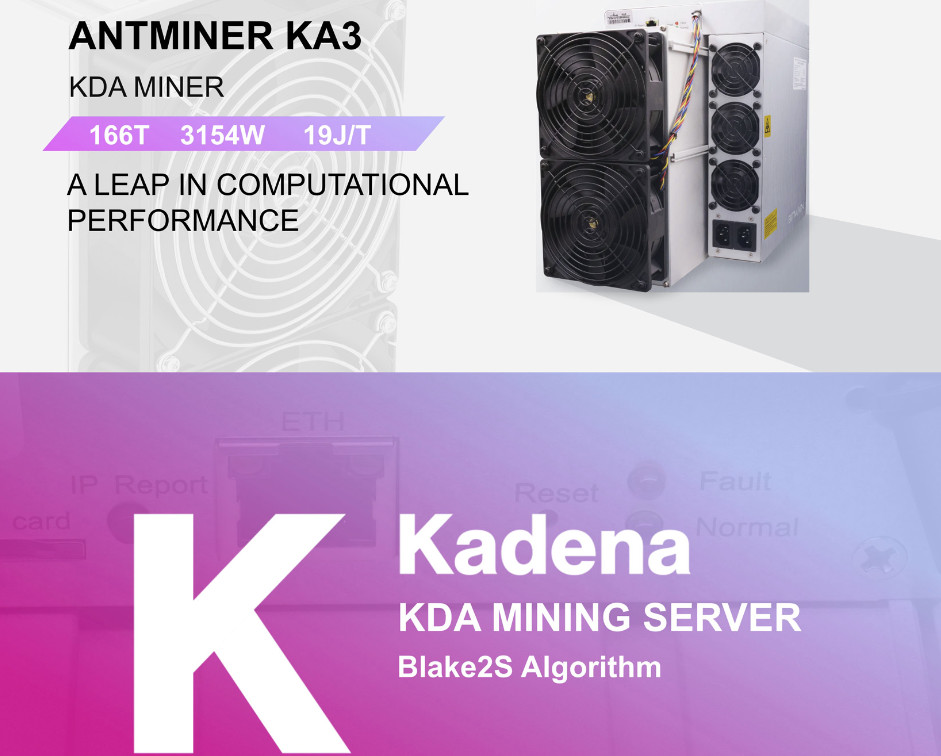
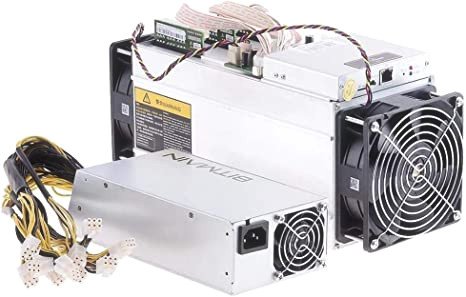
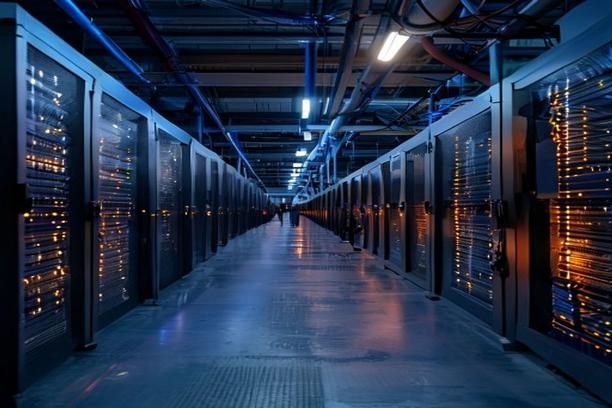
This is pushing more of the due diligence burden onto buyers before they sign a hosting contract. Questions worth asking a prospective host include how long the quoted power rate is locked in, whether the facility has firm or interruptible power, what its historical uptime has actually been (not just its stated target), and how transparent its billing is around curtailment events. Platforms like MineASIC and ASICProfit are among the resources miners use to compare hardware efficiency and hosting economics side by side, while facilities such as MinerBoxes represent the containerized and modular hosting model that has become common as operators try to keep power costs predictable.
- Power rate durability — a low rate that resets quickly carries more risk than a modest rate locked in for a year or more.
- Hardware efficiency — older or less efficient ASICs need a meaningfully lower power rate to stay profitable as hashprice compresses.
- Uptime track record — quoted uptime figures are only useful when backed by a facility’s actual operating history.
- Contract flexibility — the ability to relocate or exit a hosting agreement matters more when margins are thin and conditions change quickly.
Risks and Limitations Miners Should Keep in Mind
None of this should be read as a guarantee of profitability, because mining economics depend on a combination of variables that are each capable of moving independently. Electricity rate is only one input; network difficulty, Bitcoin’s spot price, hardware efficiency, and a facility’s actual uptime all interact to determine whether a hosted rig turns a profit in any given month. A rate that looks attractive today can become uncompetitive if difficulty continues to climb or if Bitcoin’s price pulls back from its current mid-$60,000s range.
It’s also worth noting that broader crypto market sentiment remains mixed heading into the back half of July 2026. Coverage of the sector has pointed to both cautious optimism — with the market holding above key technical levels — and continued volatility tied to macro and regulatory headlines. None of that changes the underlying mining math, but it’s a reminder that hashprice itself is a moving target, not a fixed number miners can plan around indefinitely.
Related source: Bitcoin jumps to $65,000: 'Backdrop for crypto is improving'
What to Watch Next in Bitcoin Mining Hosting
Heading into the rest of 2026, the metrics worth tracking are the same ones anchoring the current hosting rankings: hashprice trends from Hashrate Index, the pace and direction of Bitcoin’s difficulty adjustments, and how hosting providers respond to margin pressure by adjusting rates or renegotiating power agreements. A difficulty reset like the one seen on July 11 offers only temporary relief if hashprice continues to compress from other directions.
For operators considering new hosting relationships, the current environment rewards patience and comparison over speed. Providers across the hosting market continue to compete on the same fundamentals — rate durability, uptime, and transparency — and the hosts that hold up best over a full year are typically the ones whose pricing was conservative enough to survive a hashprice downturn, not just favorable enough to look good on day one.
The broader signal from this ranking cycle is that Bitcoin mining hosting in 2026 has matured into a genuinely competitive, price-disciplined market. That’s a healthier dynamic for miners than the speculative hosting boom of previous cycles, even if it means the margin for error — and for marketing hype — has shrunk considerably.