
Bitcoin Mining Profitability in 2026: Why Electricity Cost Decides Everything
A single number is quietly separating profitable Bitcoin mining operations from money-losing ones in 2026: the price of a kilowatt-hour. According to a recent breakdown from OneMiners’ 2026 cost analysis, the same modern ASIC can either generate a daily profit or bleed cash every hour it runs, depending entirely on where its power comes from. Understanding Bitcoin mining profitability in 2026 means understanding that hardware performance is only half the equation — electricity sourcing is the other, often larger, half.
What the 2026 Cost Breakdown Actually Shows
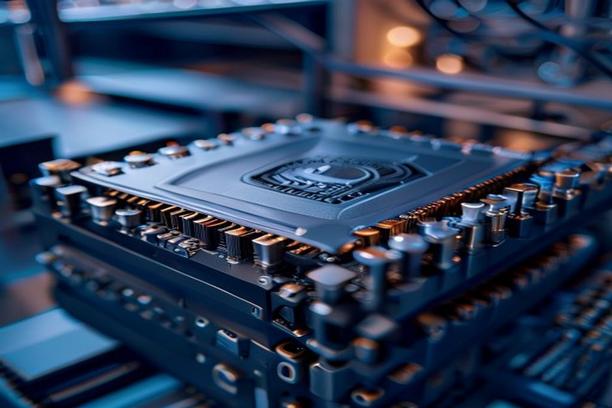
The numbers, drawn from Hashrate Index’s July 2026 hashprice reading of roughly $31 per PH/s per day, illustrate the gap plainly. A modern Antminer S21+ grosses approximately $7.30 a day in revenue at that hashprice. Run that same machine on a typical U.S. residential electricity plan priced around $0.17 per kWh, and the power bill alone comes to about $15.34 a day — more than double the machine’s gross revenue. That miner is losing money every single hour it operates, regardless of how efficient or well-maintained the hardware is.
Swap the power source for an industrial electricity rate of roughly $0.0364 per kWh — a rate available to large-scale facilities but not to most home users — and the same Antminer S21+, with the exact same hashrate and the exact same hashprice, turns a profit. As the source puts it, nothing about the hardware changed; only the power price did. That single variable is the difference between a viable mining operation and a losing one.
Why Electricity Access Has Become the Defining Variable in ASIC Mining
This dynamic is not new to crypto mining, but it has sharpened as network difficulty and ASIC efficiency gains have both plateaued somewhat relative to the explosive hardware improvements of prior years. When hashprice sits near $31 per PH/s per day, the margin between a profitable and unprofitable operation is thin enough that a difference of roughly 4.5x in per-kWh cost — the gap between residential and industrial rates cited in the source — can flip the outcome entirely.
This is precisely why large-scale mining has increasingly moved toward dedicated hosting and colocation infrastructure rather than individual machines plugged into home outlets. Facilities that can negotiate industrial power contracts, secure stable grid access, and manage cooling and uptime at scale are structurally positioned differently than a hobbyist running a single unit in a garage. Platforms like Minerboxes, which focus on hosting infrastructure for ASIC operators, exist specifically because the gap between retail and industrial power pricing is large enough to justify professional-grade hosting arrangements.
Related source: Bulloch County staff scrubbing data center, crypto mining possibilities from zoning regs
None of this is a claim about guaranteed returns. Hashprice moves with Bitcoin’s market price and with total network hashrate, both of which fluctuate independently of any single miner’s decisions. What the cost breakdown does establish, based on the figures provided, is that electricity rate is not a minor input in the profitability equation — it can be the deciding one.
Practical Implications for Miners, Hosts, and Would-Be Investors
For anyone evaluating whether to mine Bitcoin directly rather than buy it on an exchange, this breakdown offers a useful filter. Before purchasing hardware, the realistic questions are:
- What is my actual, all-in electricity rate — not an advertised utility rate, but the number that will appear on the bill after taxes, demand charges, and fees?
- Is my hashrate and hardware efficiency — for example, the wattage and terahash rating of a specific ASIC model like an Antminer S21+ — sufficient to be profitable at that rate given current hashprice?
- Would colocation or hosted mining at an industrial-rate facility outperform running the same machine at home, once hosting fees are factored in?
- How exposed am I to hashprice volatility, given that gross daily revenue per unit of hashrate shifts with both Bitcoin’s price and total network difficulty?
Buyers sourcing hardware for either path — home mining or hosted deployment — typically work through specialized ASIC retailers rather than general electronics marketplaces, in part because verifying genuine, efficient units matters as much as the sticker price. Profitability calculators from sites like ASICProfit let prospective buyers model different electricity-rate scenarios against a given hashprice before committing capital, which is exactly the kind of comparison the residential-versus-industrial gap above illustrates.
Risks, Limitations, and What Remains Uncertain
It is worth being direct about the limits of this analysis. The $31 per PH/s per day hashprice figure is a snapshot from July 2026 — hashprice is not fixed, and it moves whenever Bitcoin’s spot price or global network hashrate shifts. A machine that is profitable at today’s hashprice is not guaranteed to remain profitable next month or next quarter. Electricity rates, too, vary enormously by region, utility, contract structure, and time of use; the $0.17/kWh residential figure and $0.0364/kWh industrial figure cited in the source are illustrative reference points, not universal constants that apply to every miner everywhere.
There is also a broader macro backdrop worth noting. Crypto markets have moved through extended periods of subdued activity — commonly referred to as a “crypto winter” — during which mining economics tighten further as prices soften even while electricity costs stay flat or rise. Discussions of when such cycles might end remain speculative and are not something this article can forecast with any certainty.
Related source: What is the crypto winter and when might it end?
Where This Fits in the Broader Mining and Hosting Landscape
The economics described here are also shaping policy conversations at the local level. In some U.S. jurisdictions, county governments have begun reviewing zoning regulations specifically to address data center and crypto mining facility siting — a sign that industrial-scale mining operations, drawn by exactly the kind of low-cost power access this cost breakdown highlights, are becoming significant enough locally to require formal regulatory attention. That trend underscores a simple point: the operations that can access industrial electricity rates aren’t hypothetical — they are being built, and local governments are actively responding to their presence.
For readers tracking the broader ecosystem, the throughline connecting hashprice, hosting infrastructure, and regulatory attention is the same one from the original cost breakdown: access to cheap, stable, industrial-grade power is becoming the primary competitive advantage in Bitcoin mining, arguably more important than which specific ASIC model sits on the rack. Hardware selection still matters, and efficiency gains from newer machines are real, but as this analysis shows, they can be entirely erased by an unfavorable power contract.
Nothing about the hardware changed; only the power price did — and that was enough to turn a profit into a loss.
What to watch next: hashprice trends as reported by tracking services, any shifts in industrial versus residential electricity rate spreads in mining-heavy regions, and how local zoning and regulatory responses to mining and data center growth continue to develop. Each of these will keep shaping whether the gap between a profitable and unprofitable mining operation widens or narrows from here.