

Bitcoin mining has become a crucial aspect of the cryptocurrency ecosystem, with miners playing a vital role in validating transactions and securing the network. However, as competition intensifies, optimizing Bitcoin mining operations is essential for maintaining profitability.
Understanding Bitcoin Mining Costs
Operational costs are a significant factor that can determine the success of a mining operation. According to OneMiners, factors such as power consumption, maintenance, and logistics can erode returns significantly. Therefore, miners must focus on reducing these costs to enhance their margins.
Key Areas to Optimize
- Power Efficiency: The cost of electricity is one of the largest expenses for miners. Utilizing renewable energy sources or negotiating better rates can lead to substantial savings.
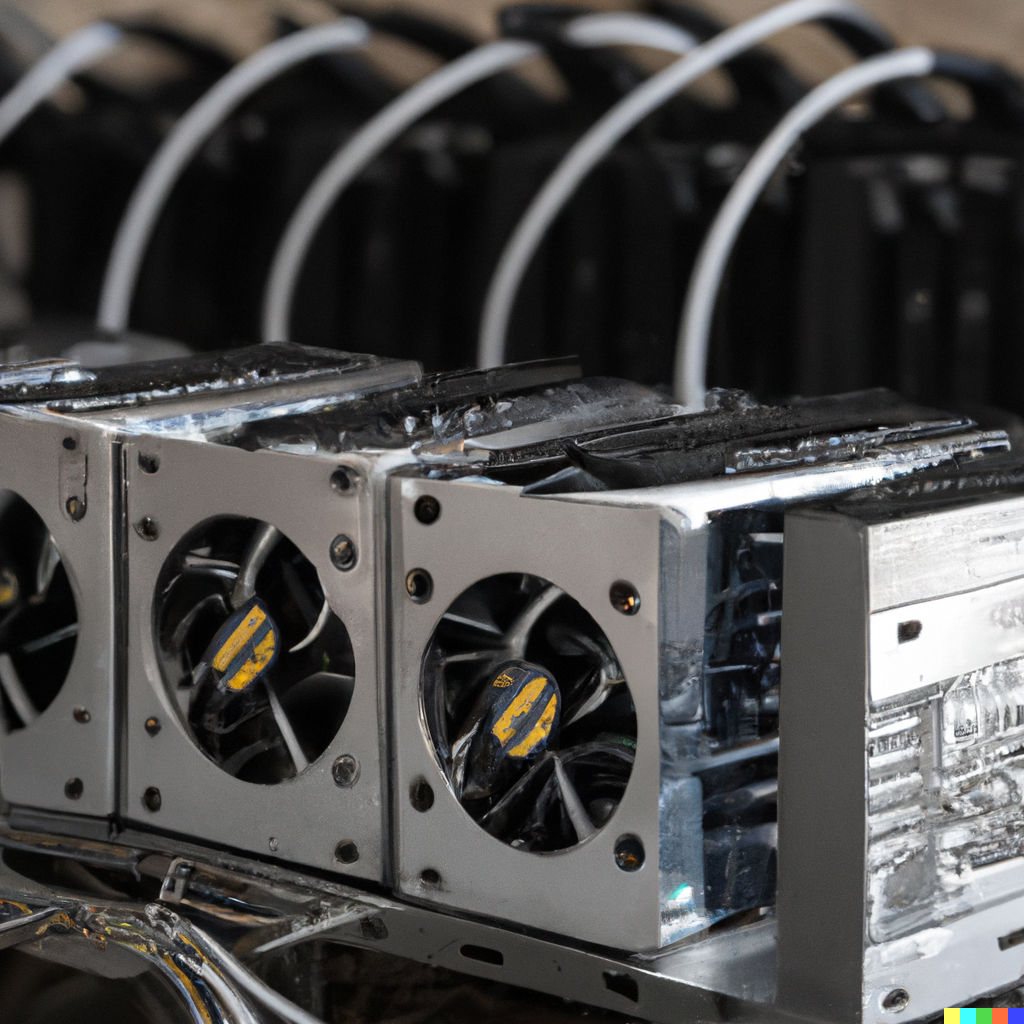
- Maintenance: Regular maintenance of mining rigs can prevent costly downtimes. Implementing a proactive maintenance schedule ensures that equipment runs efficiently.
- Logistics: Streamlining logistics can reduce transportation costs and improve the overall efficiency of mining operations.

Alesia Kozik
on
Pexels
.
One innovative solution to reduce operational costs is the use of hosted mining services. As highlighted by OneMiners, these services can help miners keep more of what they produce by lowering costs across various operational lines.
Technological Advancements in Mining
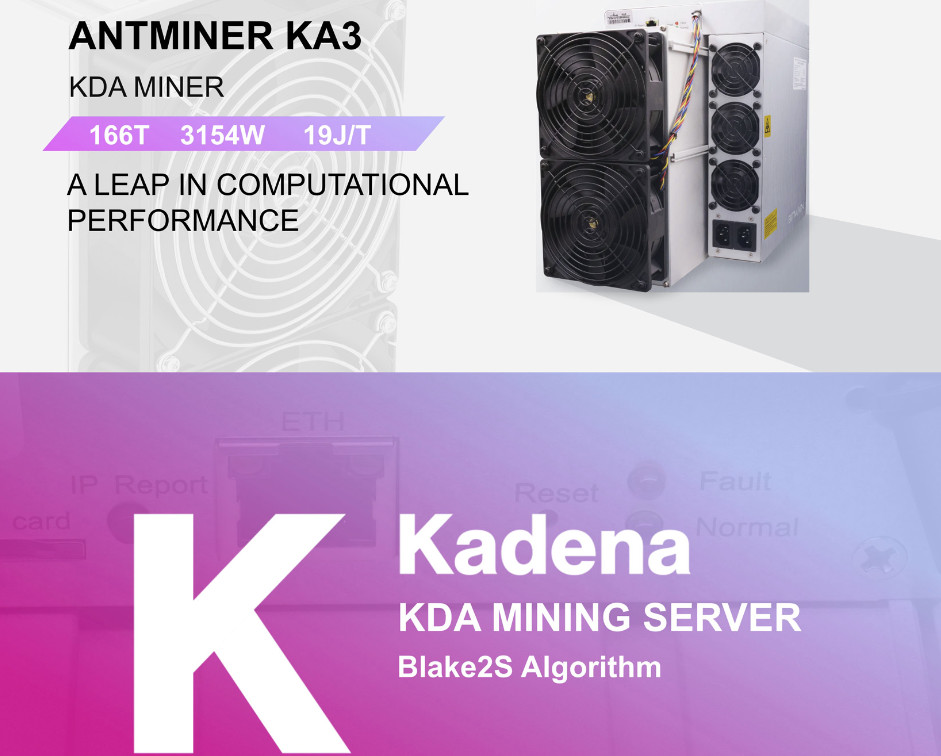
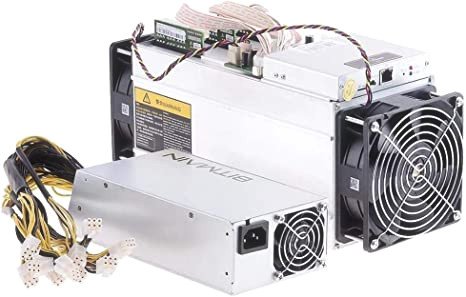
The Bitcoin mining landscape is continuously evolving, with new technologies emerging to enhance efficiency. For instance, advancements in ASIC (Application-Specific Integrated Circuit) miners have significantly improved hash rates while reducing energy consumption.
Moreover, the integration of AI and machine learning can optimize mining operations by predicting equipment failures and adjusting operational parameters in real-time. This proactive approach can lead to increased uptime and reduced operational costs.
Staying Informed on Regulatory Changes
Regulatory changes can impact Bitcoin mining operations significantly. For example, Bitcoin Magazine reported on Russia’s recent comprehensive crypto law, which aims to create a state-regulated framework for exchanges and investors. Staying informed about such developments can help miners adapt their strategies accordingly.

www.kaboompics.com
on
Pexels
.
Future Trends in Bitcoin Mining
As the industry evolves, miners must be prepared for future challenges, including the potential threat posed by quantum computing. Galaxy Digital has committed $5 million to prepare the Bitcoin network for this emerging threat, highlighting the importance of staying ahead of technological advancements.
Additionally, the integration of blockchain technology in various sectors, as discussed by CoinDesk, indicates that the demand for Bitcoin and other cryptocurrencies will likely continue to grow, further emphasizing the need for efficient mining operations.
Conclusion
In conclusion, optimizing Bitcoin mining operations is critical for success in the competitive cryptocurrency market. By focusing on reducing operational costs, leveraging technological advancements, and staying informed about regulatory changes, miners can enhance their profitability and sustainability in the long run.