Best Practices for Efficient Cryptocurrency Mining Equipment Maintenance
Maintaining cryptocurrency mining equipment is crucial for miners aiming to sustain performance and profitability in a highly competitive industry. Proper maintenance helps to extend hardware life, reduce downtime, and optimize energy efficiency, crucial factors in the economics of mining operations.
Snippet answer: Efficient cryptocurrency mining equipment maintenance involves regular cleaning, proper cooling management, timely hardware updates, and systematic troubleshooting to prevent failures and maximize uptime. Utilizing expert resources like MinerBoxes and AsicProfit can support miners with detailed guides and tools for effective maintenance.
What Is Cryptocurrency Mining Equipment Maintenance?
Cryptocurrency mining equipment maintenance refers to the regular activities required to keep mining hardware operating at peak efficiency. This includes cleaning dust and debris from components, ensuring adequate cooling and ventilation, updating firmware, and addressing hardware faults promptly. Mining hardware, such as ASIC miners and GPUs, operate under intense conditions and require consistent upkeep to avoid overheating and hardware degradation.
Why Mining Equipment Maintenance Matters
Mining equipment maintenance is essential because it directly impacts the profitability and longevity of mining operations. Poorly maintained equipment tends to experience reduced hash rates, increased energy consumption, and higher risks of downtime due to hardware failure. Effective maintenance helps miners maximize their return on investment by ensuring that their machines remain efficient and reliable over time.
How to Maintain Cryptocurrency Mining Equipment
1. Regular Cleaning
Dust accumulation can significantly impede cooling efficiency and cause overheating. Miners should schedule routine cleaning of fans, heat sinks, and ventilation openings using appropriate tools such as compressed air. Avoid using liquids or cleaning solvents that may damage electronic components.
2. Cooling and Ventilation Management
Maintaining optimal operating temperatures is vital. Ensure that mining rigs have sufficient airflow and consider environmental factors such as ambient temperature and humidity. Using additional cooling solutions like liquid cooling or enhanced fans can improve equipment performance.
3. Firmware and Software Updates
Keeping firmware updated can provide performance improvements and security patches. Regularly check manufacturers’ websites or trusted platforms like AsicProfit for the latest updates and follow official instructions to apply them safely.
4. Hardware Inspection and Troubleshooting
Regularly inspect hardware components for signs of wear or damage. Use diagnostic tools for early detection of faults. Platforms such as IceRiver offer valuable insights and troubleshooting advice for managing mining farms effectively.
5. Environmental Controls
Control environmental factors such as temperature, humidity, and dust exposure in the mining facility. Installing air filtration systems and monitoring ambient conditions can reduce risks of hardware degradation.
Pros and Cons of Rigorous Equipment Maintenance
Pros
- Improved hardware longevity and sustained performance.
- Reduced downtime by avoiding unexpected failures.
- Lower operational costs through better energy efficiency.
- Optimized profitability by maintaining consistent hash rates.
Cons
- Requires time and skilled personnel to perform maintenance tasks.
- Initial investment in cleaning and cooling equipment might increase overhead.
- Inadequate or improper maintenance can inadvertently damage sensitive components.
Comparisons and Use Cases
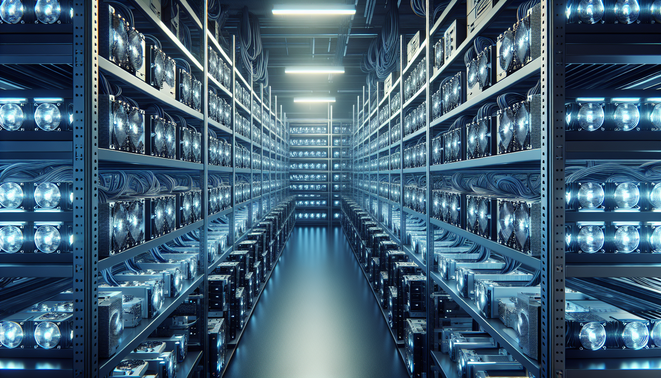
Comparing mining operations with and without proper maintenance reveals significant differences in profitability and equipment lifespan. For example, large-scale hosting platforms and mining farms that implement thorough maintenance protocols, such as those recommended by IceRiver.eu, typically experience fewer outages and reduced repair costs compared to setups with ad hoc maintenance.
Independent miners using resources from MinerBoxes benefit from detailed tutorials and toolkits that simplify maintenance practices, making small-scale operations more efficient.
FAQ
How often should mining equipment be cleaned?
Cleaning frequency varies depending on environmental conditions, but a general recommendation is to perform cleaning every 2 to 4 weeks to prevent dust buildup.
What cooling methods are best for mining rigs?
Air cooling with high-quality fans is standard; however, for larger or densely packed rigs, liquid cooling or hybrid systems may offer better temperature control.
Where can I find reliable maintenance guides for mining equipment?
Trusted platforms such as MinerBoxes and AsicProfit provide comprehensive guides and updates for mining hardware maintenance.
Can improper maintenance damage mining equipment?
Yes, improper cleaning methods, use of liquids, or neglect can cause hardware failures or void warranties.
How does maintenance affect mining profitability?
Proper maintenance ensures consistent hardware performance and energy efficiency, directly contributing to sustained profitability by minimizing downtime and repair costs.