
Bitcoin Mining Containers: The 2026 Comprehensive Guide
Bitcoin mining has moved into modular, containerized infrastructure that offers rapid deployment, scalability, and mobility for operators worldwide. In this guide, we explore the rise of mining containers, their internal design, power and cooling systems, profitability metrics, and regulatory considerations shaping this booming sector. Read the full OneMiners 2026 guide for a deep dive.
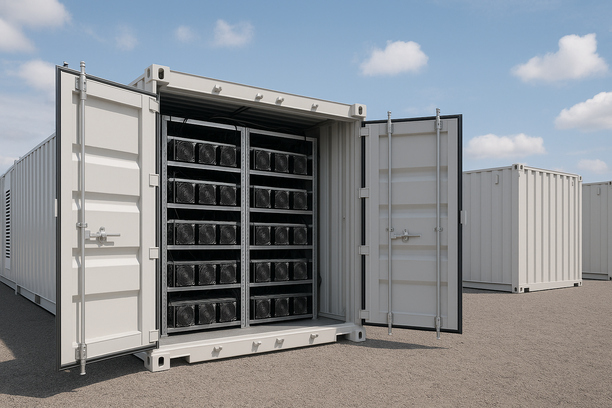
What Are Bitcoin Mining Containers?
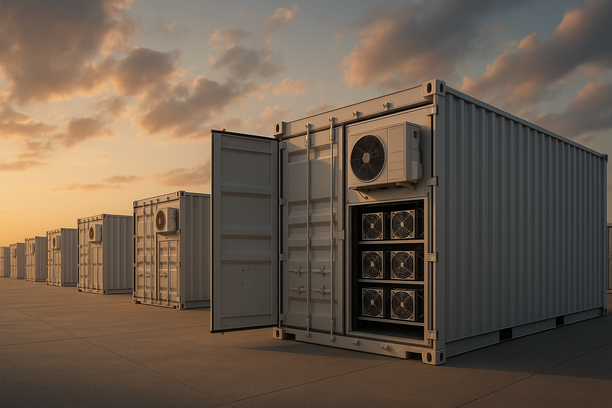
Originally developed as shipping containers retrofitted into self-contained data centers, Bitcoin mining containers bundle racks of ASIC miners with power distribution, industrial cooling, network switching, and monitoring into a weatherproof shell. By arriving pre-engineered and tested, they turn what once took months of construction into a plug-and-play solution that simply needs power and network connections to start mining. Containers can be purchased outright or deployed through hosting services, making them accessible to miners of all scales.
Inside the Box: Power and Cooling Systems
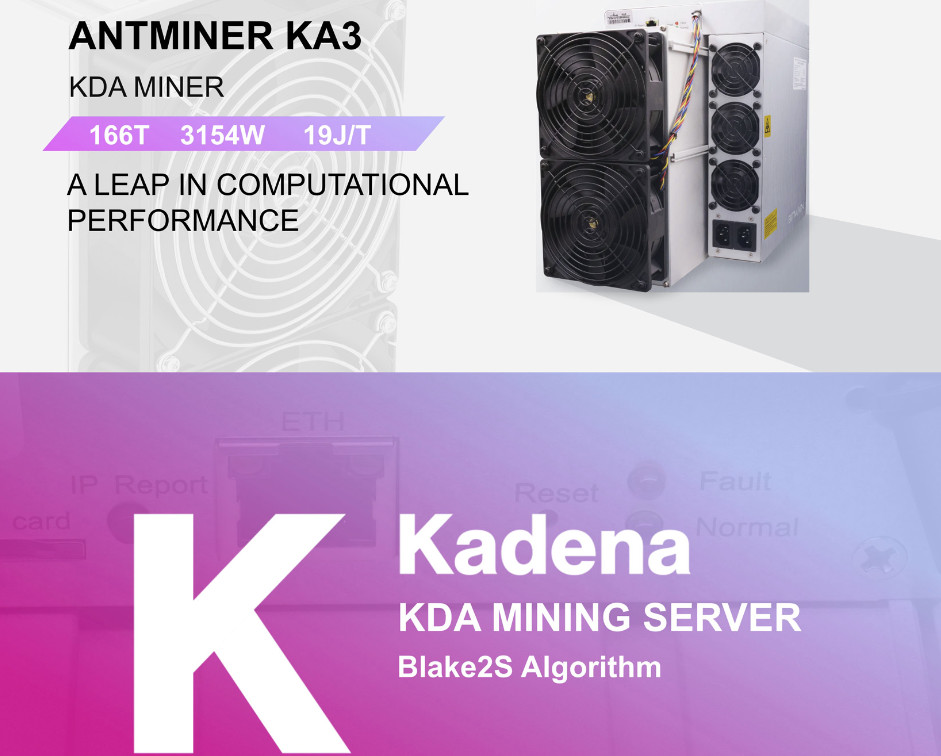
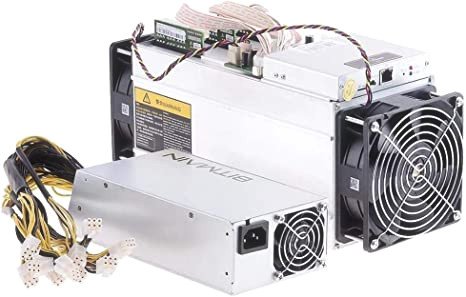
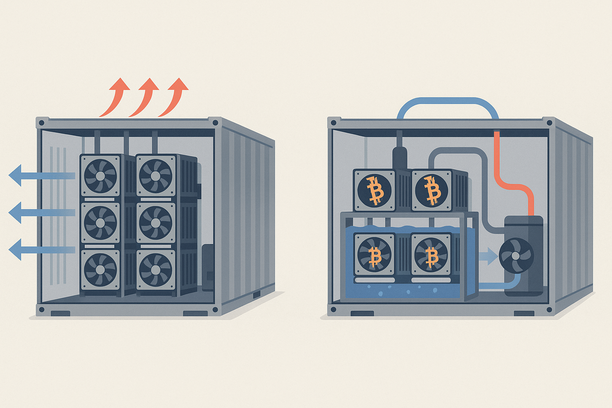
At the heart of a mining container are the miners themselves—often Antminer or Whatsminer models—fed by heavy-duty power distribution units (PDUs) and on-site transformers that step down industrial three-phase voltage. Thermal management comes in three flavors:
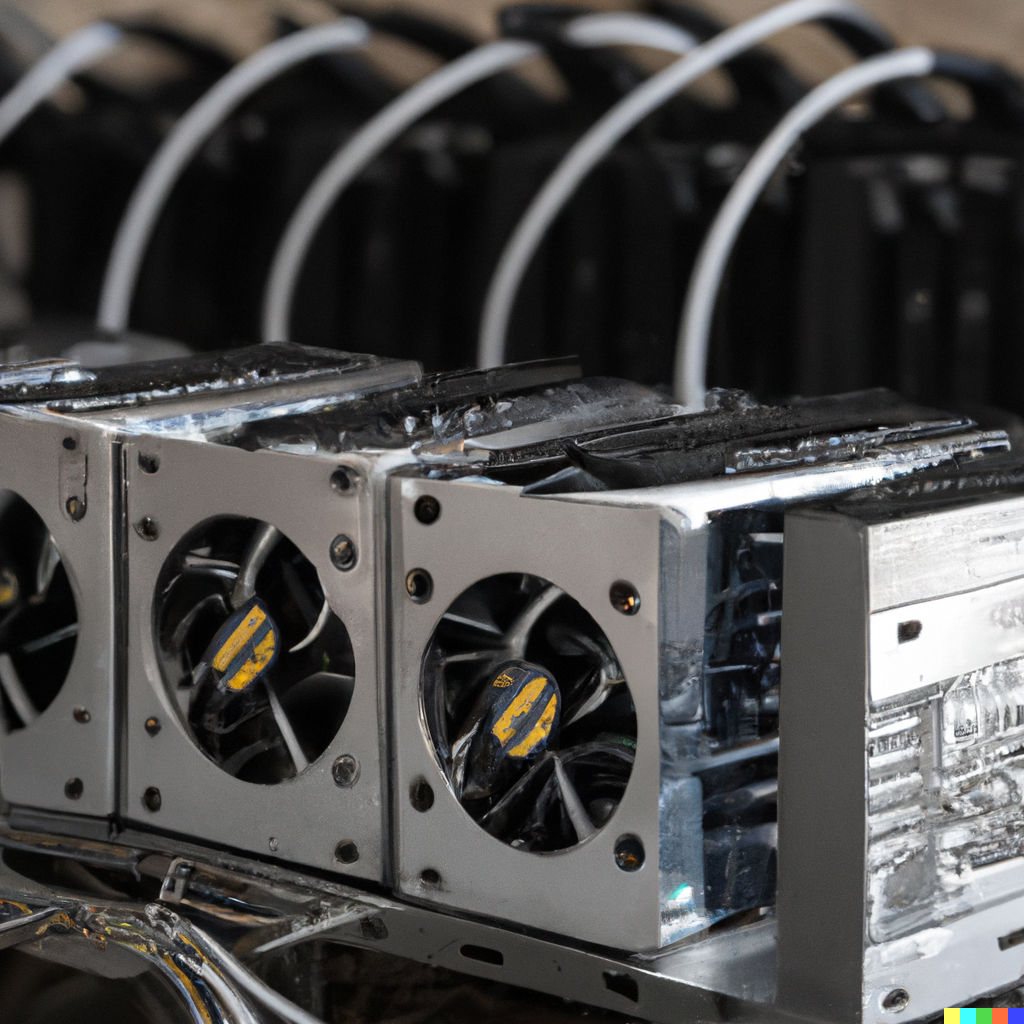
- Air cooling: Fans and airflow channels provide baseline efficiency for standard climates.
- Hydro cooling: Liquid loops through cold plates for higher density and quieter operation.
- Immersion: Dielectric fluids submerge hardware for the best thermals and longevity.
For profitability modeling, tools like the ASICProfit calculator help operators estimate returns across different power rates and hashrate profiles. Pre-engineered chassis from vendors such as MinerBoxes streamline deployment with integrated power, cooling, and monitoring systems.
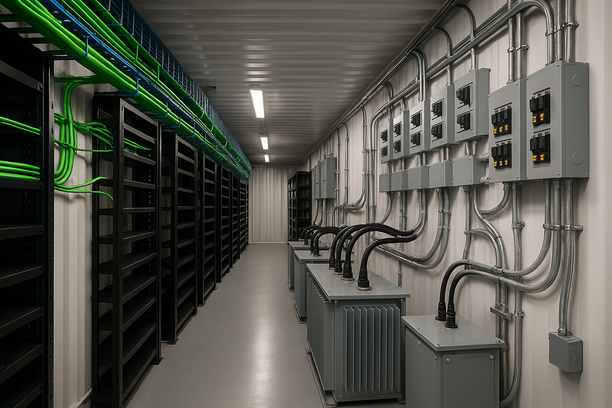
Profitability and Hosting Options
Electricity is the dominant operating cost—often 60-80% of expenses—so securing rates below $0.05/kWh can make the difference between margin and break-even. Containerized mining can be hosted on industrial sites that offer cheap, reliable power and professional operation. Hosting providers take care of permits, grid connections, and maintenance, allowing miners to buy hash rate rather than wrestle with engineering. Outsourcing also frees up capital for hardware expansion while preserving uptime.
Regulatory Landscape for Containerized Mining
Regulatory frameworks continue to evolve around crypto mining, especially in energy-sensitive regions. In Europe, the MiCA framework is under review three years after implementation, potentially impacting environmental reporting and site approvals. In the UK, the FCA’s completed crypto roadmap outlines clearer expectations for digital asset operations, which may influence hosting agreements and grid access. Staying ahead of local regulations ensures uninterrupted operations and access to renewable energy incentives.
Related source: FCA completes crypto roadmap with publication of new rules
Bitcoin mining containers have transformed industrial-scale mining from multi-month construction projects into deployable assets. By standardizing infrastructure—power, cooling, networking, and security—they offer predictable performance and mobility to chase cost-effective power sources. Whether building your own or opting for turnkey solutions, the same fundamentals apply: choose efficient hardware, design robust cooling, and secure cheap, reliable electricity to maximize returns.