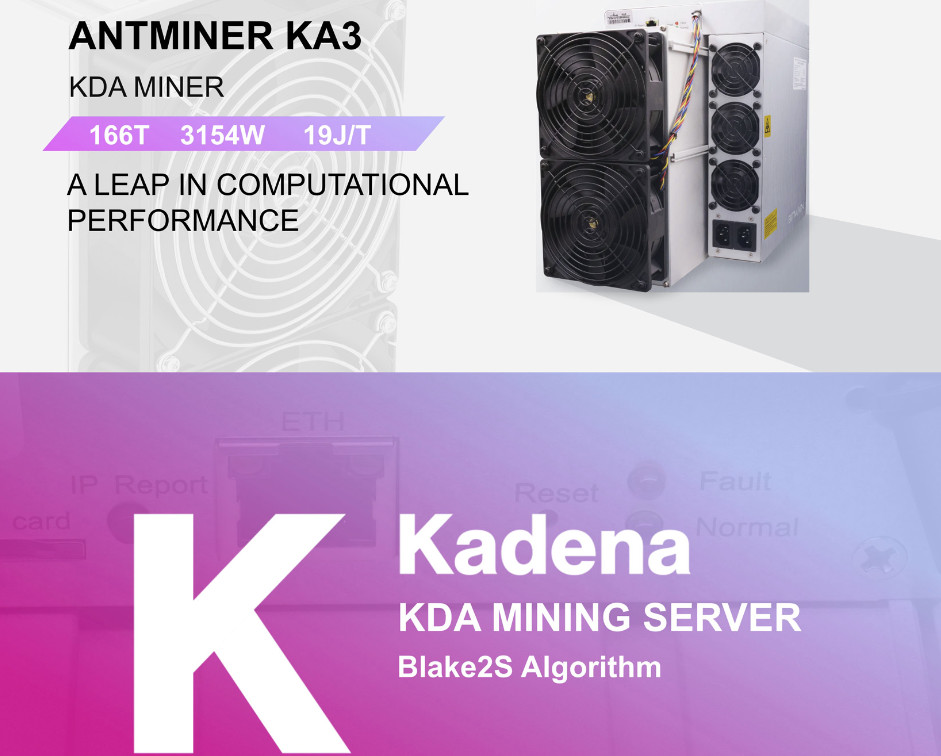


Bitcoin mining has undergone significant transformations since its inception, evolving from a niche hobby into a multi-billion dollar industry. As the demand for cryptocurrencies grows, so does the complexity and scale of mining operations. Recently, a notable trend has emerged: Bitcoin miners are pivoting towards artificial intelligence (AI) ventures, reshaping the landscape of the industry.
The Shift Towards AI
According to a recent article by OneMiners, Bitcoin miners are increasingly entering the AI space, with the twelve largest deals ranked by contract value showcasing this shift. This transition not only reflects the miners’ adaptability but also highlights the potential for AI to enhance mining efficiency and profitability. The integration of AI technologies can optimize operations, manage energy consumption, and improve overall performance in mining activities (OneMiners).
Impact on Hashrate and Hashprice
The pivot to AI is expected to influence key metrics such as hashrate and hashprice. As miners adopt AI-driven solutions, they may achieve higher hashrates, leading to increased competition and potentially affecting the market dynamics of Bitcoin mining. This shift could also provide smaller miners with innovative tools to remain competitive in a rapidly evolving environment.
Moreover, the AI integration could lead to more sustainable mining practices. By utilizing AI for predictive analytics, miners can better forecast energy needs and optimize their operations to reduce waste. This is particularly important as the environmental impact of Bitcoin mining continues to be a topic of concern.

Regulatory Landscape
As Bitcoin mining evolves, so does the regulatory landscape surrounding it. Recently, CoinDesk reported on the uncertainty in crypto policy following the departure of key advisors in the White House. This vacancy leaves a significant gap in the development of regulations that could impact Bitcoin mining and its associated technologies (CoinDesk).
With Wall Street growing impatient for clear regulations, the pressure is on for policymakers to establish guidelines that will govern the future of cryptocurrency, including mining operations. The lack of clarity can hinder investment and innovation in the sector, making it crucial for stakeholders to advocate for a balanced regulatory approach.
Future Prospects
The future of Bitcoin mining is intertwined with advancements in technology and regulatory frameworks. As miners explore AI opportunities, they may unlock new avenues for growth and efficiency. However, they must also navigate the complexities of a changing regulatory environment.
In conclusion, the evolution of Bitcoin mining into AI ventures represents a significant shift in the industry. By embracing new technologies, miners can enhance their operations and adapt to market demands. As the landscape continues to change, staying informed and agile will be key to success in the world of cryptocurrency.
Additional reading: Brooklyn DA Pulls the Plug on Crypto Scam Network from Bitcoin Magazine.