

Bitcoin mining is a crucial process that underpins the entire Bitcoin network. It involves the use of powerful computers to solve complex mathematical problems, which in turn validates transactions and adds them to the blockchain. This process not only secures the network but also introduces new bitcoins into circulation.
The Basics of Bitcoin Mining
At its core, Bitcoin mining serves two primary functions: transaction validation and the issuance of new bitcoins. Miners compete to solve cryptographic puzzles, and the first one to solve it gets to add a new block to the blockchain. This block contains a list of transactions that have occurred since the last block was added.
As of now, the reward for mining a block is 6.25 bitcoins, which is halved approximately every four years in an event known as the halving. This mechanism ensures that the total supply of bitcoins will never exceed 21 million, making it a deflationary asset.
How Mining Works
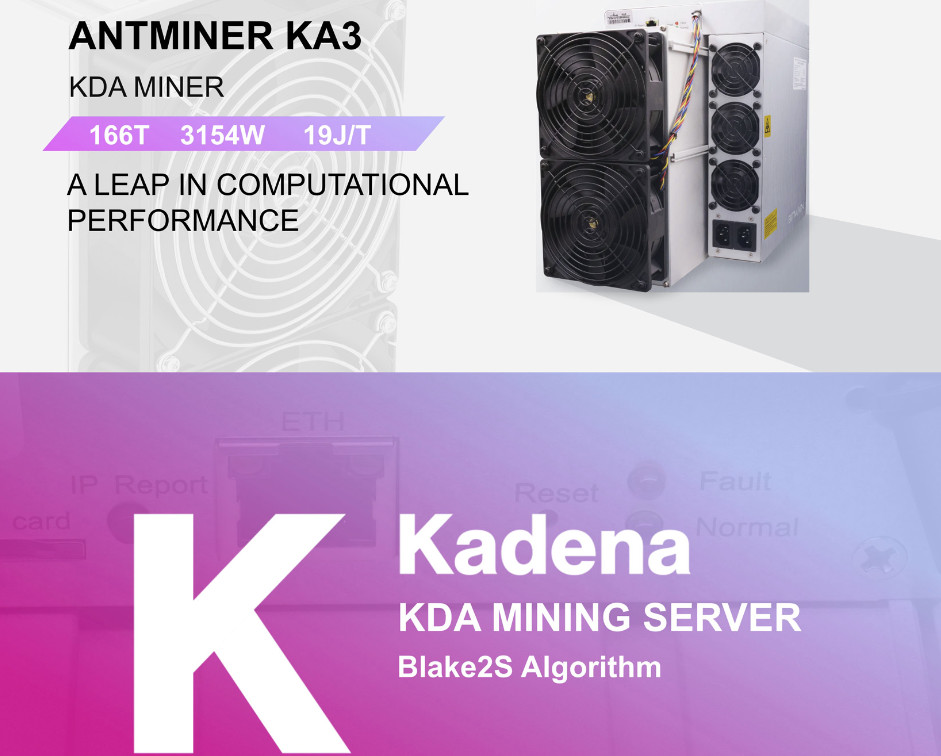
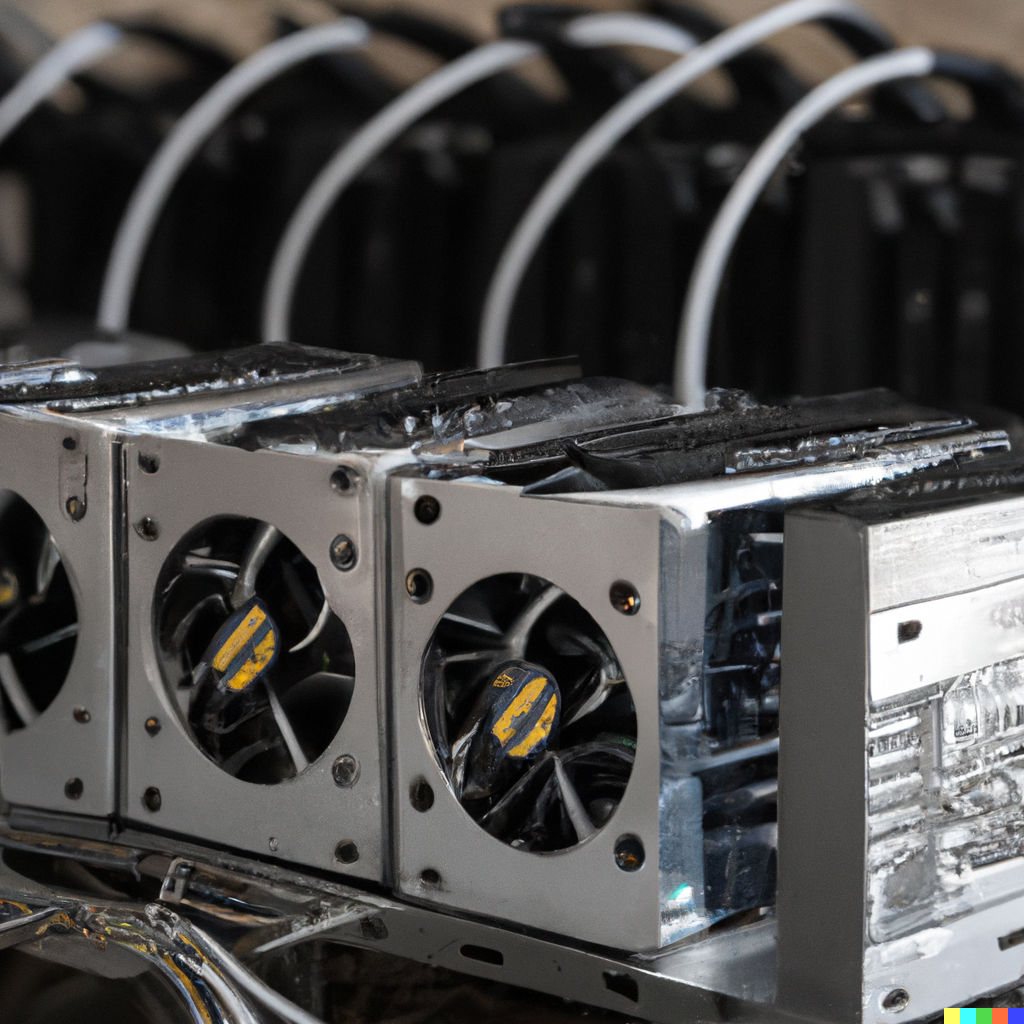
Mining requires significant computational power and energy. Miners use specialized hardware known as ASICs (Application-Specific Integrated Circuits) that are designed specifically for mining cryptocurrencies. These devices are far more efficient than traditional computers or GPUs.
In addition to hardware, miners must also consider electricity costs, which can significantly impact profitability. Many miners are now seeking locations with cheaper electricity rates to maximize their returns. For instance, some operations are moving to regions with abundant renewable energy sources.

Economic Impact of Bitcoin Mining
The economic implications of Bitcoin mining extend beyond just the miners themselves. It has a ripple effect on various sectors, including energy, technology, and finance. As the demand for mining increases, so does the demand for electricity, leading to discussions about sustainability and environmental impact.
According to a report by CoinDesk, Bitcoin’s price has recently surged back above $82,000, indicating a renewed interest in the cryptocurrency market. This price fluctuation can directly influence mining profitability, as higher prices often lead to increased mining activity.
Challenges Faced by Miners
Despite the potential for profit, Bitcoin mining is not without its challenges. The increasing difficulty of mining, coupled with rising energy costs, can squeeze profit margins. Additionally, regulatory scrutiny is on the rise as governments around the world grapple with how to manage cryptocurrency mining operations.
For example, a recent article from Bitcoin Magazine discusses how local authorities are cracking down on illegal mining operations, which can further complicate the landscape for legitimate miners.
The Future of Bitcoin Mining
Looking ahead, the future of Bitcoin mining will likely be shaped by technological advancements and regulatory developments. Innovations in mining hardware and software could lead to more efficient mining processes, while changes in regulations could either hinder or promote mining activities.
Moreover, as the Bitcoin network continues to evolve, miners will need to adapt to new challenges and opportunities. Staying informed about market trends and technological advancements will be crucial for miners looking to remain competitive.
For those interested in the latest mining technologies, the OneMiners article provides insights into the best mining equipment available today.
Conclusion
Bitcoin mining plays a vital role in the cryptocurrency ecosystem, providing security and stability to the network. While it presents numerous challenges, the potential rewards can be significant for those who navigate the complexities of the mining landscape effectively. As the industry continues to evolve, staying informed and adaptable will be key to success.