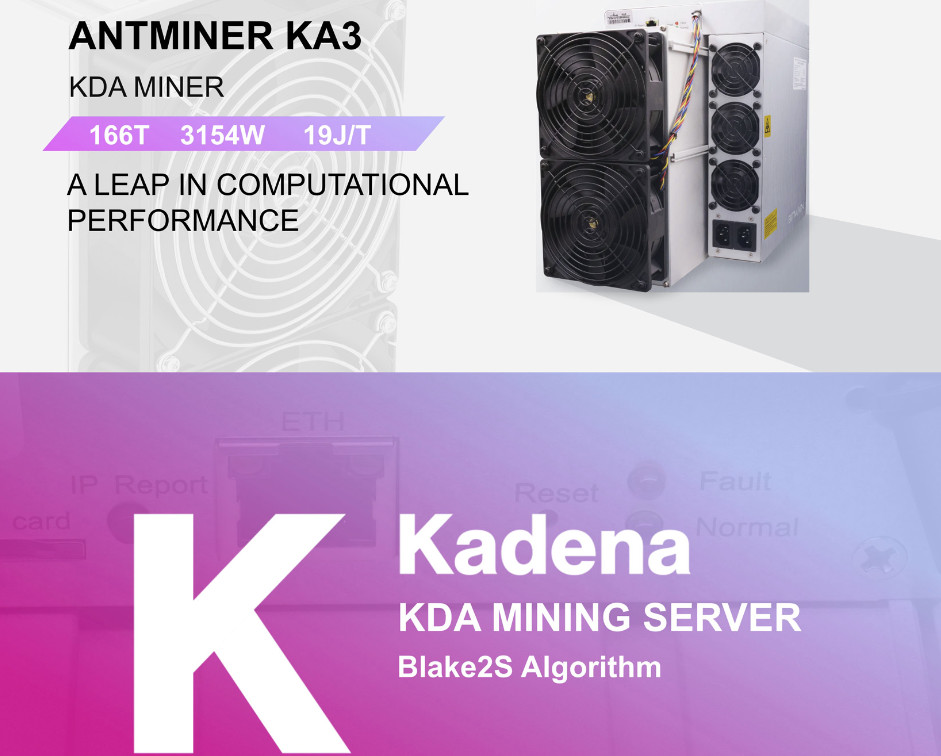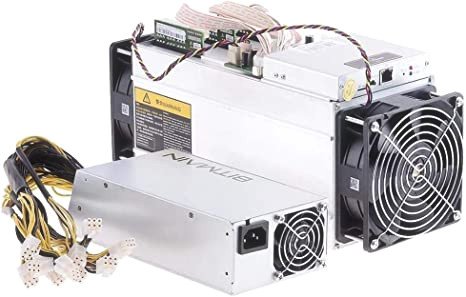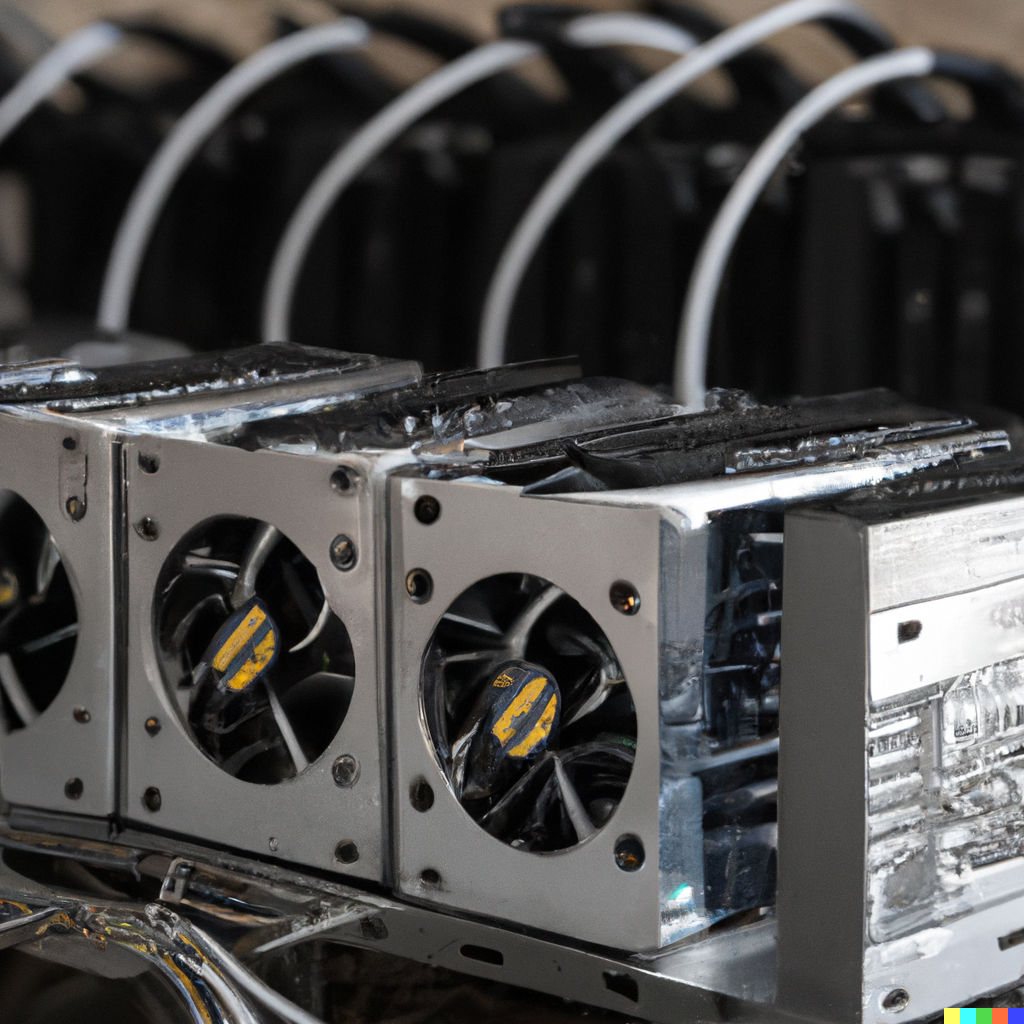


Bitcoin mining has evolved significantly over the years, and as we look toward 2026, understanding the landscape is crucial for both new and seasoned miners. This guide will explore essential strategies, particularly focusing on the importance of electricity costs and efficient hardware.
Understanding Bitcoin Mining
Bitcoin mining is the process of validating transactions on the Bitcoin network and adding them to the blockchain. Miners use powerful computers to solve complex mathematical problems, and in return, they are rewarded with Bitcoin. However, the profitability of mining heavily depends on various factors, including electricity costs, hardware efficiency, and market conditions.
The Importance of Cheap Electricity
One of the most significant factors influencing mining profitability is the cost of electricity. As highlighted in a recent article from OneMiners, miners should prioritize locations with cheap electricity to maximize their returns. This is particularly important as mining operations can consume vast amounts of power, and even small savings on electricity can lead to substantial increases in profitability.
When planning a mining operation, it is essential to calculate your power budget in kilowatts before investing in hardware. Efficiency, measured in joules per terahash (J/TH), is a critical metric that determines how much of your gross earnings you can retain. This efficiency often outweighs the importance of hash rate alone.
Choosing the Right Hardware
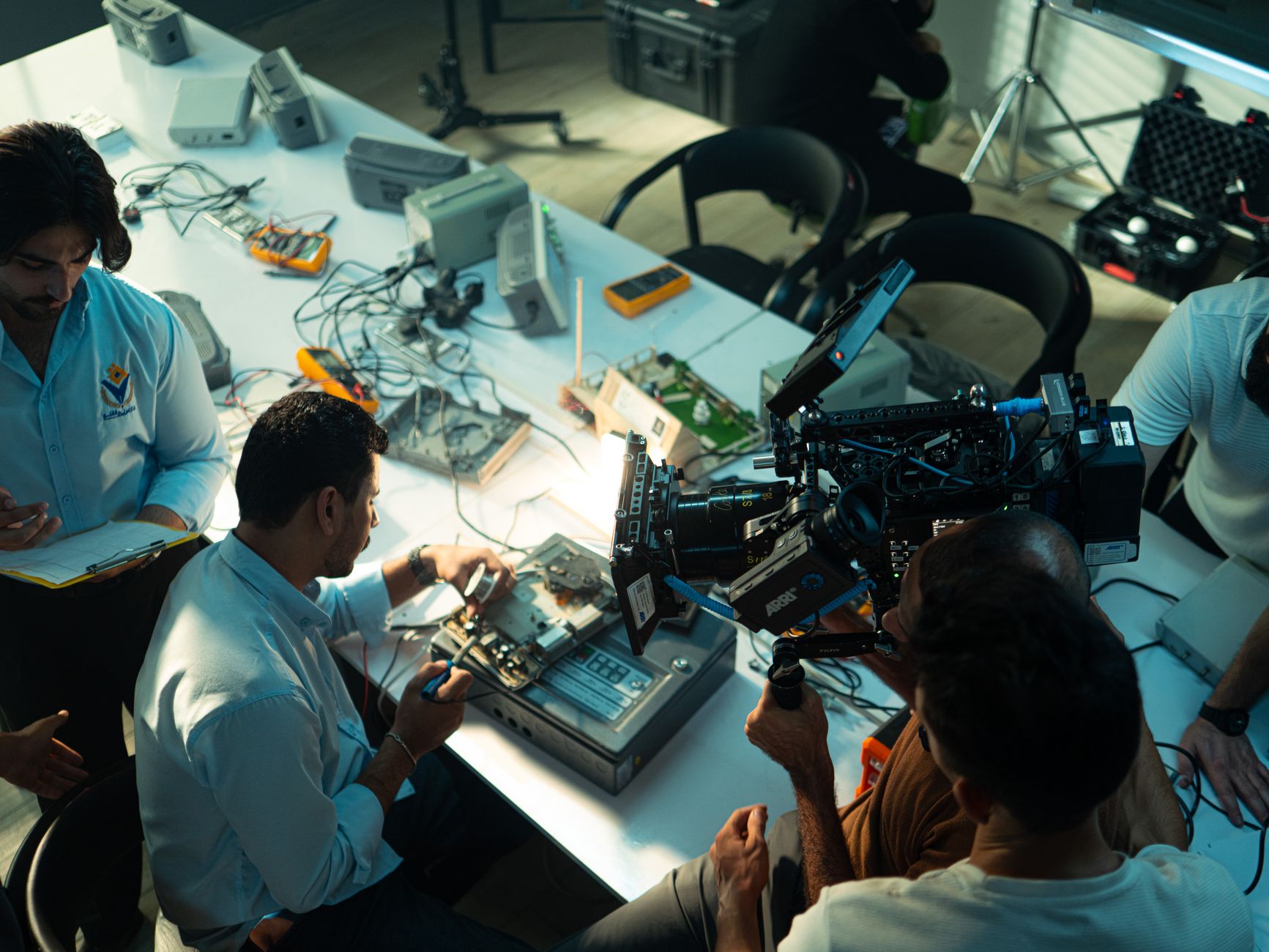
Investing in the right mining hardware is crucial. While it may be tempting to spend your entire budget on the latest ASIC miners, it is wise to reserve funds for electrical work, spare parts, and a financial cushion for unexpected expenses. A balanced approach will ensure that your mining operation can withstand market fluctuations.
Market Trends and Predictions
The Bitcoin market is known for its volatility. According to Bitcoin Magazine, Bitcoin’s recent surge was driven by significant ETF investments, but the market has since cooled off. Understanding these trends can help miners make informed decisions about when to invest in hardware or expand their operations.
Furthermore, external factors such as government regulations and technological advancements can impact mining profitability. For instance, the ongoing discussions around quantum computing and its potential effects on cryptocurrencies, as reported by CoinDesk, highlight the need for miners to stay informed about technological developments.

Conclusion
As we move into 2026, Bitcoin mining presents both challenges and opportunities. By focusing on cheap electricity, selecting efficient hardware, and staying updated on market trends, miners can enhance their chances of success. For more detailed insights on starting your mining journey, refer to the comprehensive guide on OneMiners.