
Bitcoin mining has evolved significantly over the years, and as we approach 2026, understanding the nuances of this process is more crucial than ever. With rising energy costs and increasing competition, miners must adopt efficient strategies to remain profitable.
Understanding Bitcoin Mining
At its core, Bitcoin mining involves validating transactions on the Bitcoin network and adding them to the blockchain. Miners use powerful computers to solve complex mathematical problems, and in return, they are rewarded with newly minted bitcoins. However, the profitability of mining is heavily influenced by several factors, including electricity costs, hardware efficiency, and market conditions.
Why Electricity Costs Matter
One of the most significant expenses for Bitcoin miners is electricity. According to a recent guide from OneMiners, having access to cheap electricity is a game-changer. Miners should calculate their power budget in kilowatts before investing in hardware. This ensures that they can maximize their returns while minimizing operational costs.
Choosing the Right Hardware
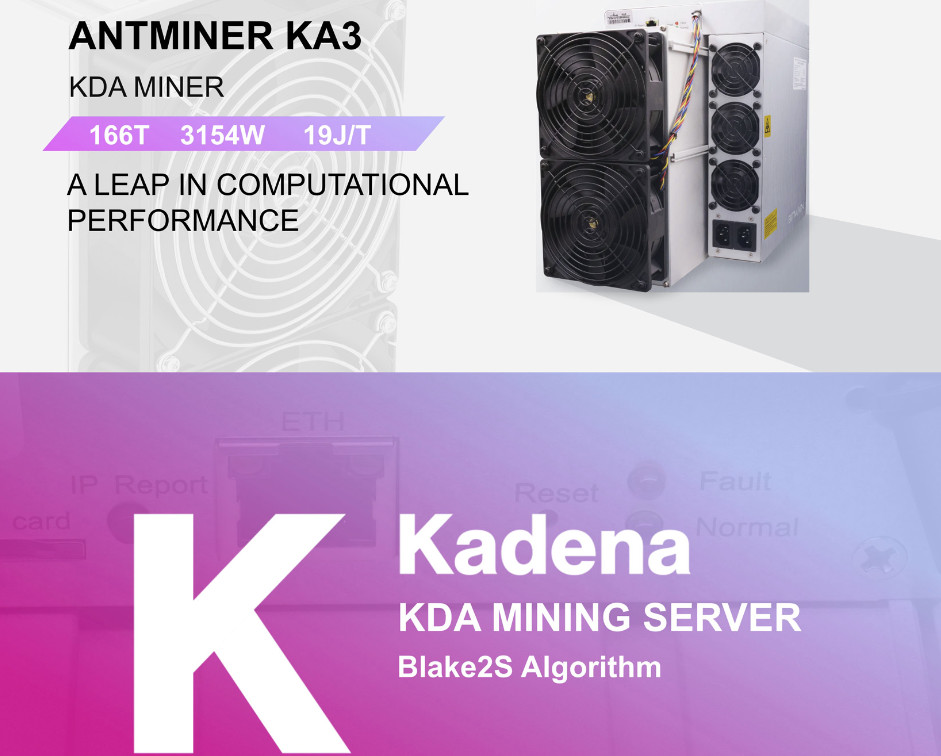
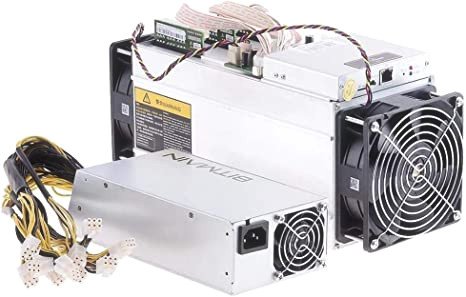
When selecting mining hardware, efficiency is key. The guide emphasizes that the efficiency measured in Joules per Terahash (J/TH) is more critical than just the hash rate. Miners should not allocate their entire budget to hardware; they must also consider costs for electrical work, spare parts, and a financial cushion for unexpected expenses.
Setting Up Your Mining Operation
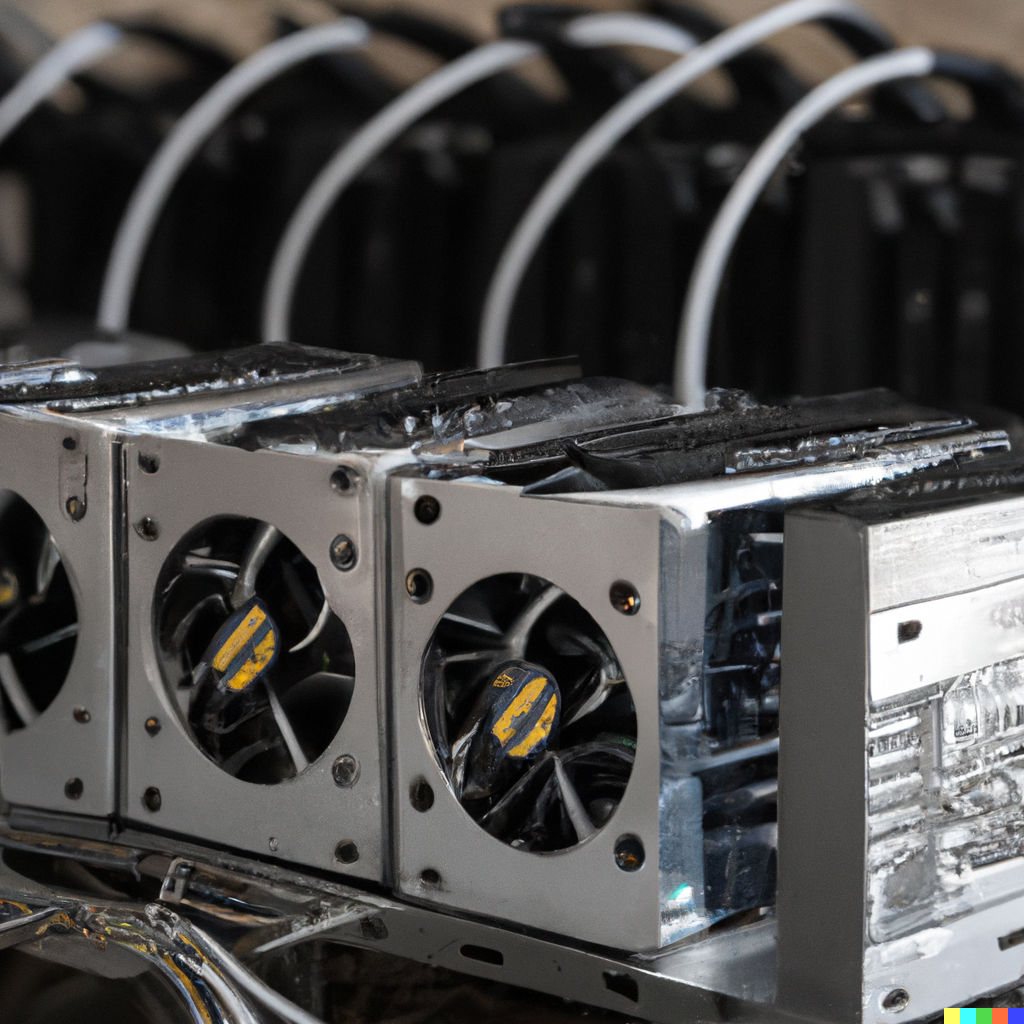
Once you have your hardware, the next step is setting up your mining operation. This includes ensuring adequate cooling systems and power infrastructure. A well-organized mining facility can significantly enhance operational efficiency.
Market Trends and Future Outlook
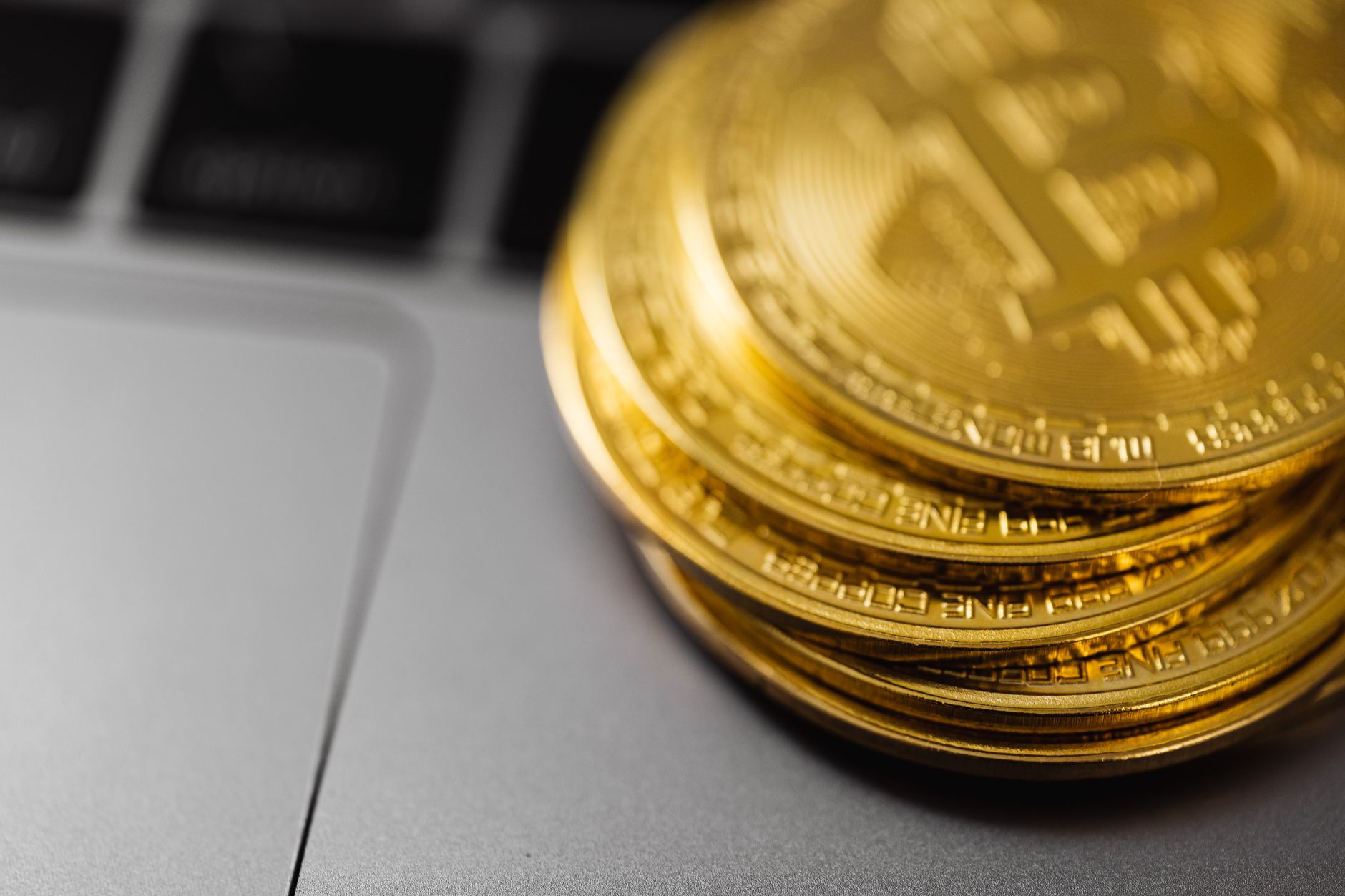
The Bitcoin market is constantly evolving. Recent reports indicate that Bitcoin’s price fluctuations are influenced by various factors, including ETF investments and government policies. For instance, Bitcoin Magazine reported a cooling off after a significant ETF-driven surge, highlighting the volatility miners must navigate.
Long-Term Sentiment
Despite short-term fluctuations, long-term sentiment remains bullish. As noted by Decrypt, traders are still optimistic about Bitcoin’s future, which could lead to increased mining activity as prices stabilize.
Conclusion
Bitcoin mining in 2026 presents both challenges and opportunities. By focusing on cost-effective strategies, efficient hardware, and understanding market dynamics, miners can position themselves for success in this competitive landscape. For a deeper dive into starting your mining journey, check out the comprehensive guide from OneMiners.