

Bitcoin mining has undergone a remarkable transformation since its inception. Initially, it started as a simple process that could be performed on a personal computer. Today, it has evolved into a highly sophisticated industry, utilizing advanced technology and massive energy resources.
The Early Days of Bitcoin Mining
In the early days, Bitcoin mining was accessible to anyone with a computer. Miners used their personal laptops to solve complex mathematical problems, earning Bitcoin as a reward. This phase is often referred to as the CPU mining era.
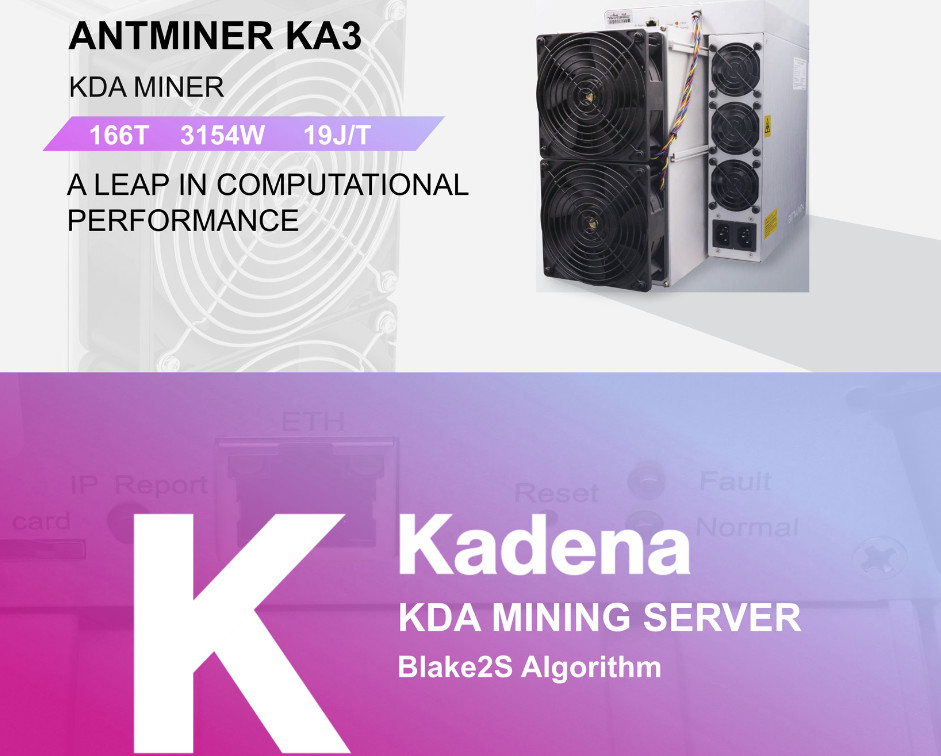
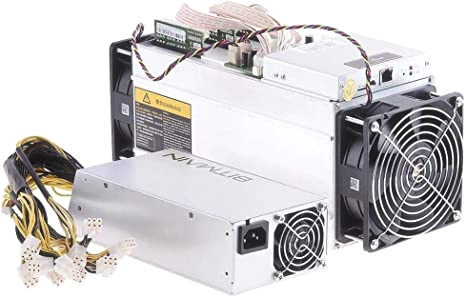
As more people became interested in Bitcoin, the difficulty of mining increased, leading to the development of ASIC miners (Application-Specific Integrated Circuits). These specialized devices significantly improved mining efficiency and performance.
Key Milestones in Bitcoin Mining History
- 2009: Bitcoin is launched, and the first block is mined using a standard computer.
- 2013: The first ASIC miners are introduced, revolutionizing the mining landscape.
- 2020: Bitcoin’s hash rate reaches unprecedented levels, surpassing 100 EH/s.
- 2026: The mining industry hits a staggering 1 Zettahash, showcasing its growth and technological advancements.
For a detailed timeline of these milestones, check out the article on OneMiners.
The Role of Technology in Mining
Technological advancements have played a crucial role in the evolution of Bitcoin mining. The introduction of ASIC miners has allowed miners to achieve higher hash rates while consuming less power. This efficiency is vital as the competition for mining rewards intensifies.
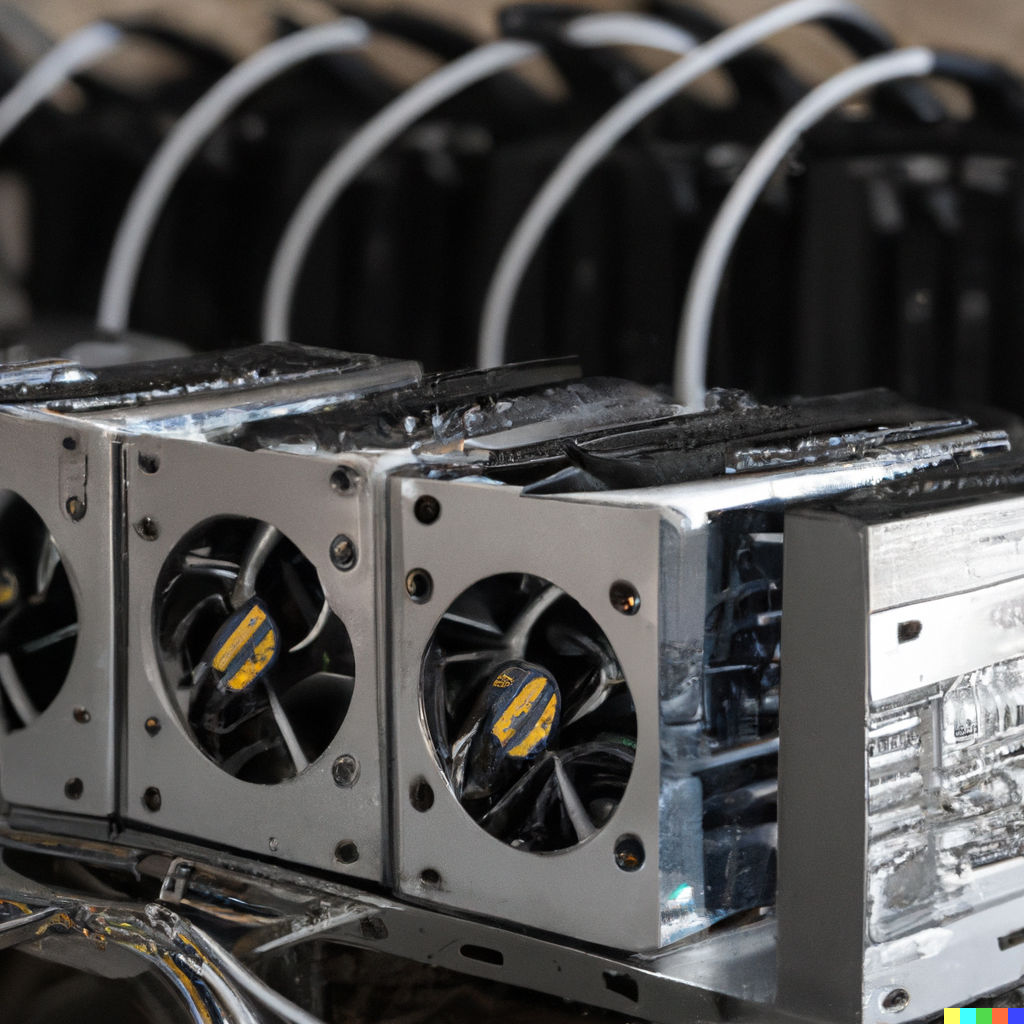
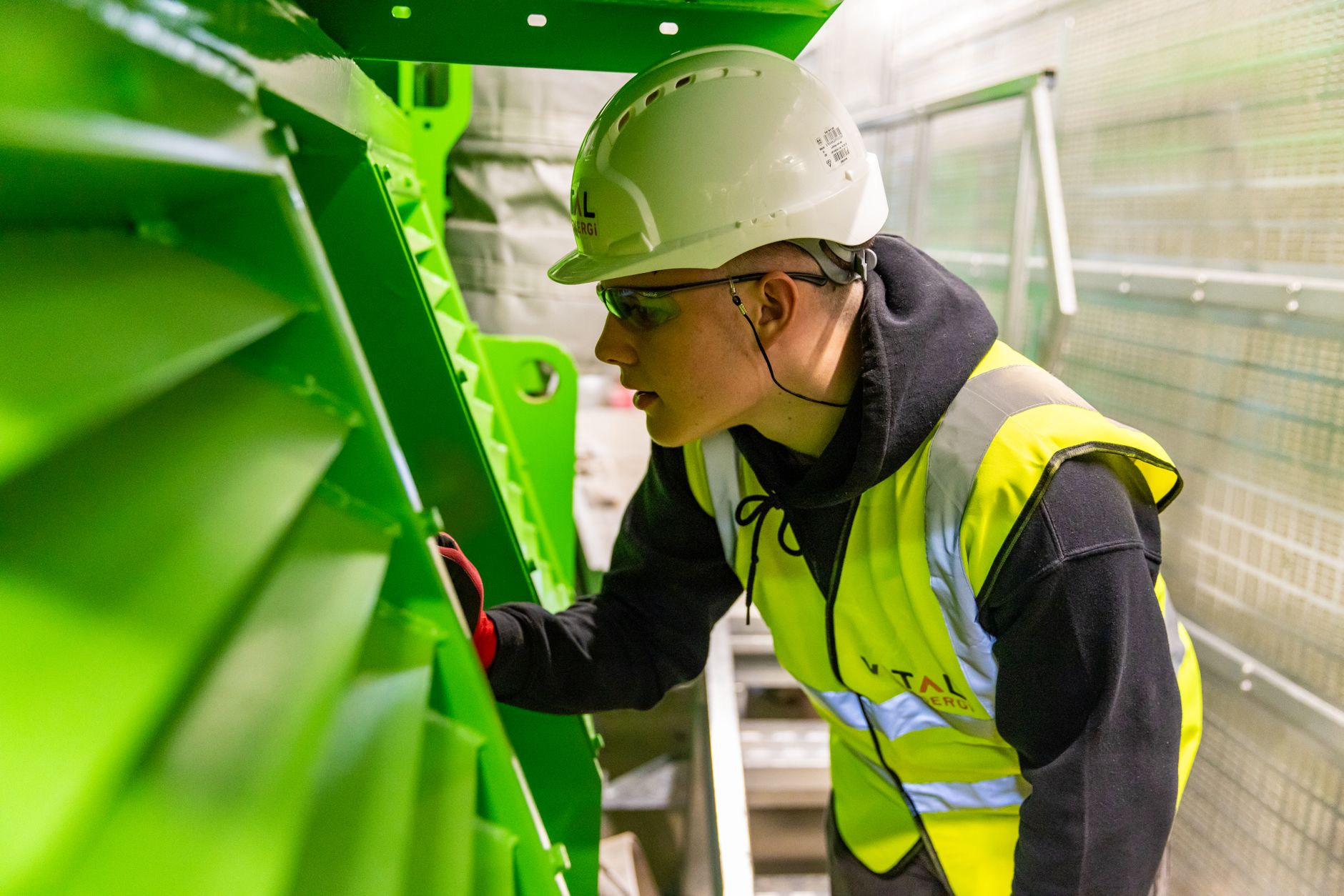
Moreover, innovations in cooling systems and energy management have become essential. Mining operations now require substantial power infrastructure to support their energy needs. As a result, many mining farms are strategically located near renewable energy sources to mitigate costs and environmental impact.
Challenges Facing Bitcoin Miners
Despite the advancements, Bitcoin miners face several challenges:
- Regulatory Scrutiny: Governments worldwide are increasingly scrutinizing cryptocurrency operations, impacting mining regulations.
- Environmental Concerns: The energy consumption of Bitcoin mining has raised concerns about its environmental impact, prompting discussions about sustainability.
- Market Volatility: Fluctuations in Bitcoin prices can significantly affect mining profitability, leading to uncertainty for miners.
For insights on the financial implications of Bitcoin, see the article from CoinDesk.
The Future of Bitcoin Mining
Looking ahead, the future of Bitcoin mining appears to be intertwined with advancements in technology and energy efficiency. As the industry continues to evolve, miners will need to adapt to changing regulations and market conditions.
Furthermore, the integration of artificial intelligence and machine learning may revolutionize mining operations, optimizing performance and reducing costs. The potential for autonomous trading systems could also reshape how miners operate in the market, as discussed in a recent CoinDesk article.
Conclusion
Bitcoin mining has come a long way from its humble beginnings. As technology continues to advance, the industry will likely see further innovations that enhance efficiency and sustainability. Understanding the history and future of Bitcoin mining is essential for anyone interested in the cryptocurrency landscape.
Additional reading: Bitcoin Price Trades Above $81,500 as Fed Keeps Rates Steady in Split Vote from Bitcoin Magazine.