

Bitcoin mining has undergone a remarkable transformation since its inception. From humble beginnings with a single laptop to the current state of massive mining farms, the journey of Bitcoin mining is both fascinating and complex.
Understanding Bitcoin Mining
At its core, Bitcoin mining is the process of validating transactions and adding them to the blockchain. Miners use powerful computers to solve complex mathematical problems, which in turn secures the network and processes transactions. This process is incentivized through the issuance of new bitcoins and transaction fees.
The Early Days
Bitcoin mining began in 2009 when the first block, known as the genesis block, was mined by Bitcoin’s creator, Satoshi Nakamoto. Initially, mining could be done using standard CPUs, making it accessible to anyone with a computer. However, as more people joined the network, the difficulty of mining increased, leading to the development of more specialized hardware.
From CPUs to ASICs
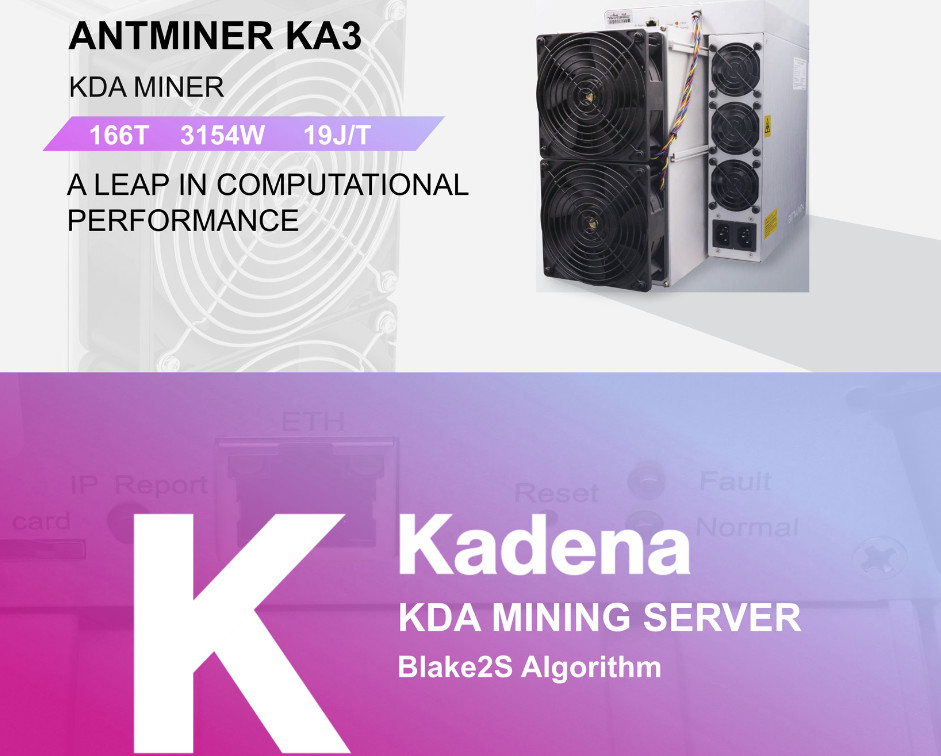
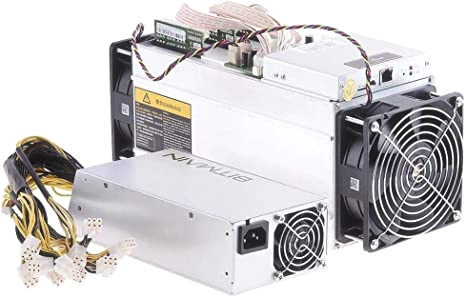
As the Bitcoin network grew, miners transitioned from using CPUs to GPUs (graphics processing units) and eventually to ASICs (application-specific integrated circuits). ASICs are designed specifically for mining, offering significantly higher hash rates and energy efficiency. This shift has made mining more competitive and has led to the establishment of large mining farms.
The Rise of Mining Farms
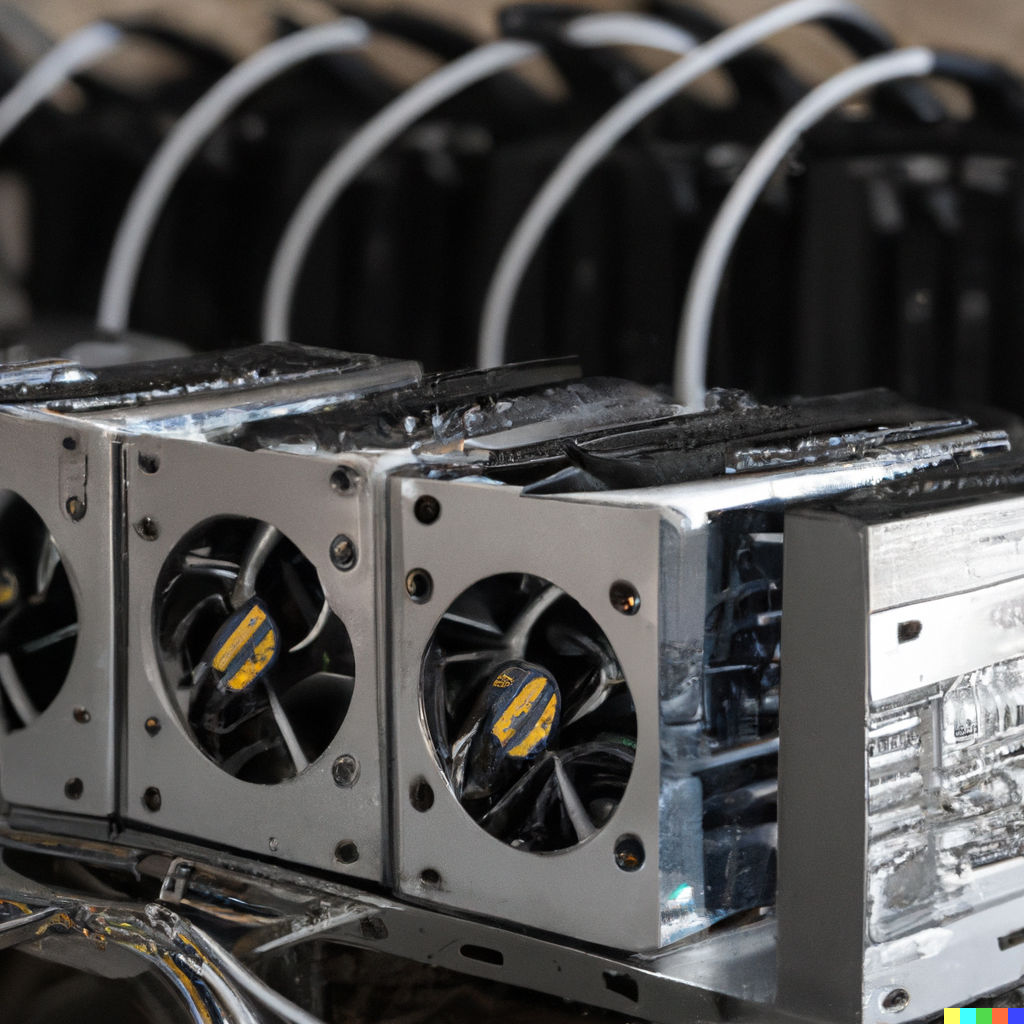
Today, Bitcoin mining is dominated by large-scale operations known as mining farms. These facilities house thousands of ASIC miners and are often located in regions with low electricity costs. The concentration of mining power has raised concerns about centralization and the environmental impact of Bitcoin mining.
Environmental Considerations
As Bitcoin mining consumes a significant amount of energy, environmental concerns have become a hot topic. Many miners are now seeking sustainable energy sources, such as hydroelectric power, to mitigate their carbon footprint. This shift not only helps the environment but can also reduce operational costs.
Future Trends in Bitcoin Mining
The future of Bitcoin mining is likely to be shaped by advancements in technology and regulatory developments. Innovations in energy efficiency, cooling systems, and mining hardware will continue to evolve. Additionally, as governments around the world implement regulations, miners will need to adapt to ensure compliance.
For a deeper dive into the history of Bitcoin mining, check out the detailed timeline provided by OneMiners. This article outlines key moments in the evolution of mining, from the early days to the current state of over 1,000 EH/s.
Additional reading: Wall Street backbone DTCC brings $30 trillion securities closer to blockchain with major banks from CoinDesk.
Additional reading: Fed Rate Decision: What Markets and Bitcoin Traders Can Expect from Decrypt.
Conclusion
Bitcoin mining has come a long way since its inception, evolving from a simple process to a complex industry. As technology advances and environmental concerns grow, the future of Bitcoin mining will continue to change. Staying informed about these developments is crucial for anyone interested in the cryptocurrency space.