

Bitcoin mining has evolved significantly since its inception, becoming a crucial component of the cryptocurrency ecosystem. As the demand for Bitcoin continues to grow, so does the need for efficient mining practices. This article explores the current trends and challenges in Bitcoin mining, providing insights into its future.
Understanding Bitcoin Mining
Bitcoin mining is the process by which new bitcoins are created and transactions are verified on the blockchain. Miners use powerful computers to solve complex mathematical problems, and in return, they receive bitcoins as a reward. This process not only secures the network but also ensures the integrity of transactions.
Technological Advancements
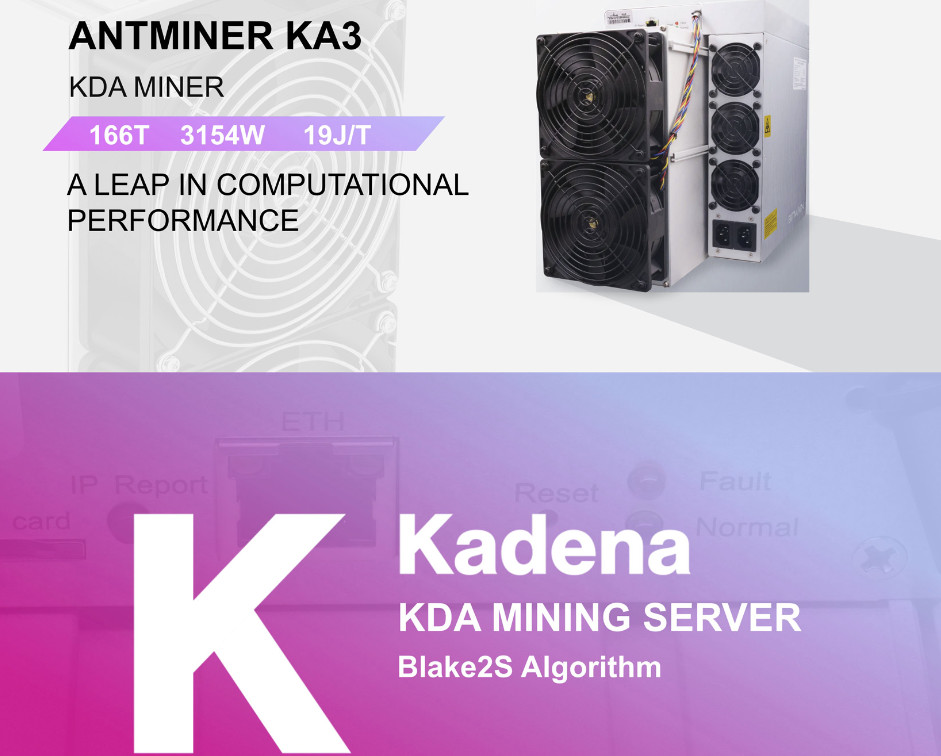
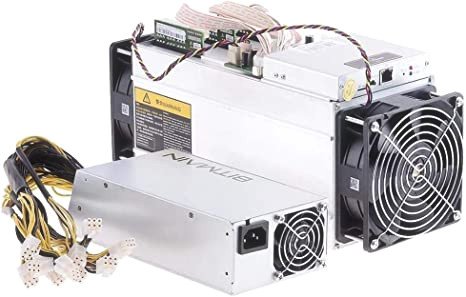
Recent advancements in mining technology have significantly increased the efficiency of Bitcoin mining. The introduction of ASIC (Application-Specific Integrated Circuit) miners has revolutionized the industry, allowing miners to achieve higher hash rates while consuming less energy. These specialized devices are designed specifically for mining Bitcoin, making them far more efficient than traditional GPUs.
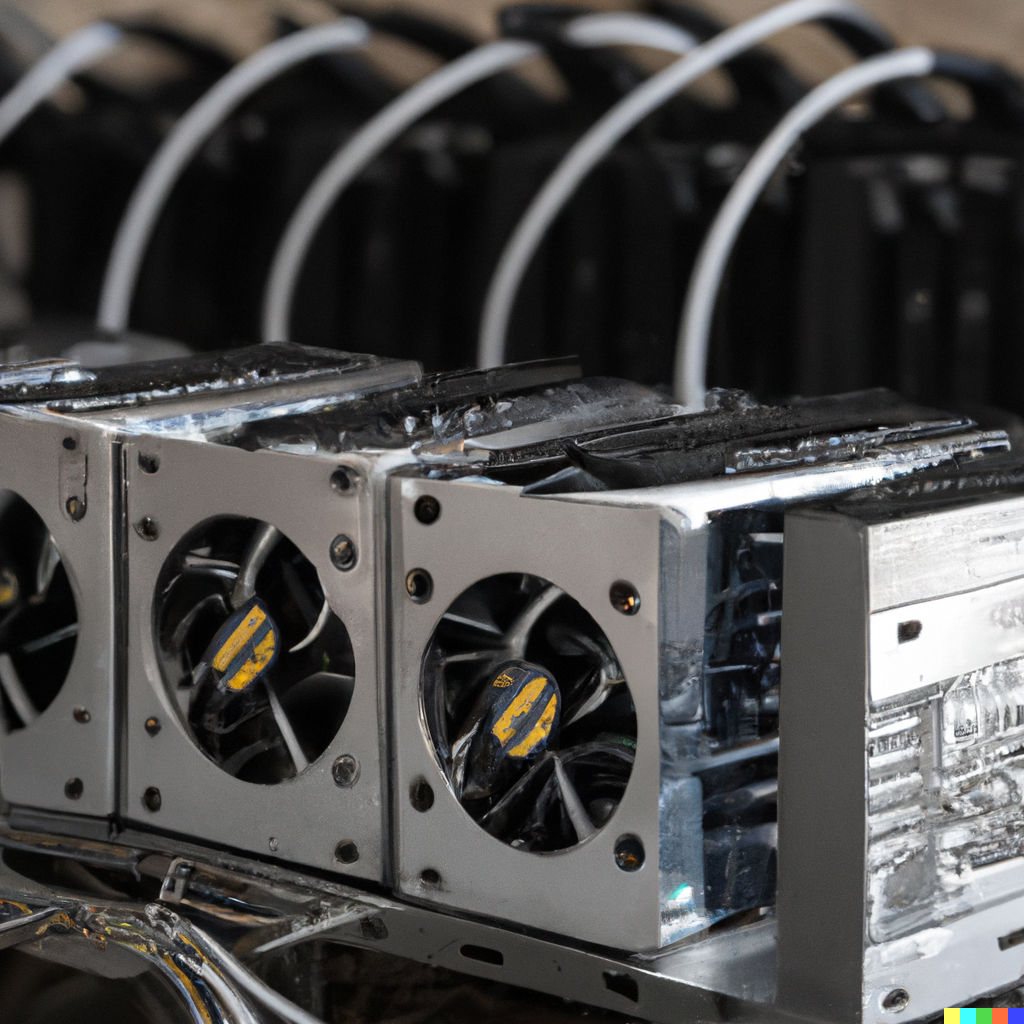
Moreover, innovations in cooling systems and power management are helping miners reduce operational costs. As energy consumption remains a critical concern, many mining operations are exploring renewable energy sources to power their facilities. This shift not only lowers costs but also addresses environmental concerns associated with Bitcoin mining.
Regulatory Challenges
The regulatory landscape surrounding Bitcoin mining is continually evolving. Governments worldwide are grappling with how to regulate cryptocurrencies, leading to uncertainty in the mining sector. For instance, the Independent Community Bankers of America recently sued the U.S. regulator over crypto trust charters, highlighting the ongoing debate about the legitimacy and regulation of cryptocurrency operations.
Additionally, the International Monetary Fund (IMF) has expressed concerns regarding Bitcoin projects in countries like El Salvador. While the IMF praised the country for its initiatives, it also urged a scaling back of its Bitcoin project, indicating the complexities of integrating cryptocurrency into national economies. For more details, check out the article on Bitcoin Magazine.
The Future of Bitcoin Mining
Looking ahead, the future of Bitcoin mining will likely be shaped by several key factors:
- Energy Efficiency: As energy costs rise, miners will need to adopt more energy-efficient technologies and practices.
- Decentralization: The push for decentralization will continue, with more miners seeking to operate independently of large mining pools.
- Regulatory Compliance: Miners will need to stay informed about regulatory changes and adapt their operations accordingly.
Furthermore, the ongoing development of blockchain technology and its applications will influence mining practices. For instance, the rise of alternative cryptocurrencies and their mining requirements may shift focus away from Bitcoin mining.
In conclusion, Bitcoin mining is at a crossroads, facing both challenges and opportunities. As technology advances and regulations evolve, miners must adapt to remain competitive in this dynamic landscape. For more insights into the latest developments in Bitcoin mining, visit OneMiners.