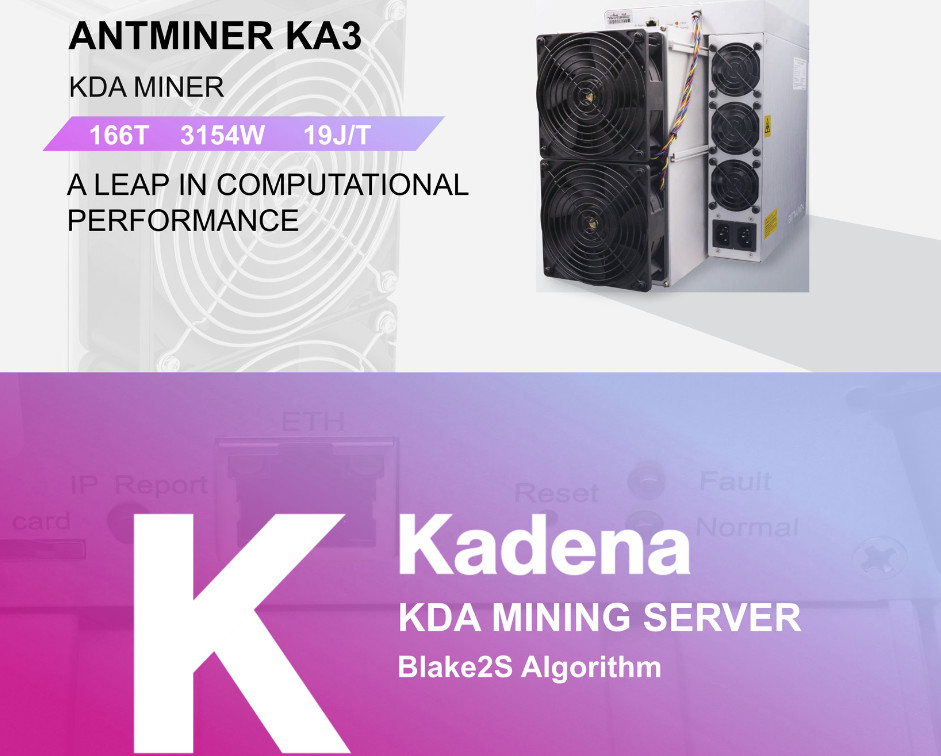


Bitcoin mining is a critical component of the cryptocurrency ecosystem, enabling transactions and maintaining the integrity of the blockchain. As the industry evolves, understanding the terminology and trends associated with Bitcoin mining becomes essential for both new and seasoned investors.
What is Bitcoin Mining?
Bitcoin mining involves the process of validating transactions on the Bitcoin network and adding them to the blockchain. Miners use powerful computers to solve complex mathematical problems, which in turn secures the network and earns them Bitcoin as a reward.
Key Terminology in Bitcoin Mining
To navigate the world of Bitcoin mining effectively, it’s important to familiarize yourself with some key terms:
- ASIC (Application-Specific Integrated Circuit): Specialized hardware designed specifically for mining Bitcoin.
- Hash Rate: The speed at which a miner can compute hashes, measured in hashes per second (H/s).
- Difficulty: A measure of how hard it is to find a new block, adjusted approximately every two weeks.
For a comprehensive glossary of Bitcoin mining terms, you can refer to the Bitcoin Mining Glossary 2026 by OneMiners.

Current Trends in Bitcoin Mining
The landscape of Bitcoin mining is continually changing. Recent reports indicate a surge in interest from various sectors, including traditional finance. For instance, CoinDesk highlights how platforms like Robinhood are expanding their prediction markets to include Bitcoin, reflecting a growing acceptance of cryptocurrency.
Moreover, the introduction of Bitcoin ETFs has also impacted the mining sector. According to Decrypt, Bitcoin ETFs experienced significant outflows recently, indicating market volatility that can affect mining profitability.
Challenges Facing Bitcoin Miners
Despite the potential for profit, Bitcoin miners face several challenges:
- Regulatory Scrutiny: Governments worldwide are increasingly looking to regulate cryptocurrency mining, which could impact operations.
- Environmental Concerns: The energy consumption of Bitcoin mining has raised alarms regarding its environmental impact.
- Market Volatility: The price of Bitcoin can fluctuate dramatically, affecting the profitability of mining operations.
For example, the Bank of Korea is considering regulations that could influence how stablecoins and cryptocurrencies are treated, which may have downstream effects on mining operations.

Conclusion
Bitcoin mining remains a dynamic and complex field, influenced by technological advancements, regulatory changes, and market trends. By staying informed about the latest developments and understanding the key terminology, miners can better navigate this evolving landscape.