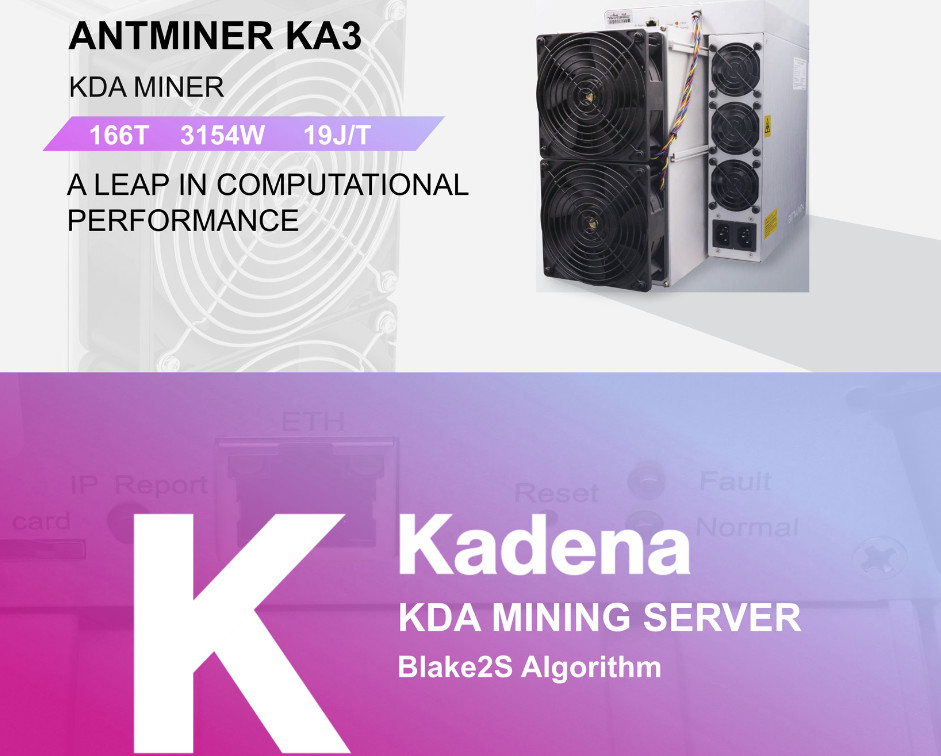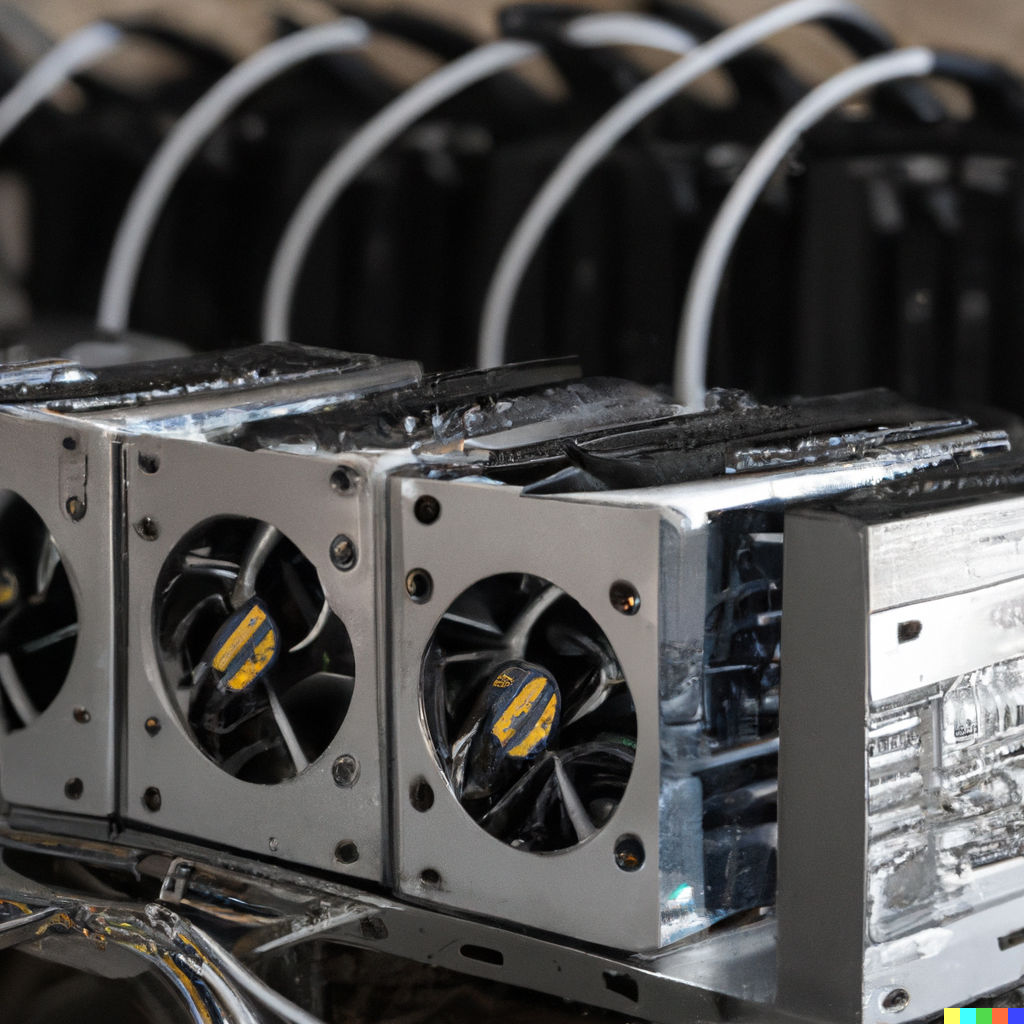


Bitcoin mining is a crucial process that underpins the entire Bitcoin network. It involves solving complex mathematical problems to validate transactions and secure the network. As Bitcoin continues to gain popularity, understanding the intricacies of mining becomes essential for both enthusiasts and investors.
What is Bitcoin Mining?
At its core, Bitcoin mining is the process of adding transaction records to Bitcoin’s public ledger, known as the blockchain. Miners use powerful computers to solve cryptographic puzzles, and in return, they are rewarded with newly minted bitcoins. This process not only secures the network but also regulates the issuance of new bitcoins.
The Mining Process
The mining process can be broken down into several key steps:
- Transaction Verification: Miners collect and verify transactions from the Bitcoin network.
- Block Creation: Verified transactions are grouped into a block.
- Solving the Puzzle: Miners compete to solve a cryptographic puzzle associated with the block.
- Adding to the Blockchain: The first miner to solve the puzzle adds the block to the blockchain and broadcasts it to the network.
- Reward Distribution: The successful miner receives a reward in the form of bitcoins.
For a more detailed understanding of the terminology and processes involved in Bitcoin mining, you can refer to the Bitcoin Mining Glossary 2026 by OneMiners.
Current Trends in Bitcoin Mining
As the Bitcoin network evolves, so do the trends in mining. Here are some notable developments:
- Increased Energy Efficiency: Miners are investing in more energy-efficient hardware to reduce costs and environmental impact.
- Renewable Energy Sources: Many mining operations are turning to renewable energy sources to power their facilities, aiming for sustainability.
- Mining Pools: Individual miners are increasingly joining mining pools to combine their resources and improve their chances of earning rewards.
For insights into the broader implications of cryptocurrency and digital currencies, check out CoinDesk’s article on Sweden’s e-krona debate.

Challenges Facing Bitcoin Miners
Despite the lucrative nature of Bitcoin mining, miners face several challenges:
- Regulatory Scrutiny: Governments worldwide are increasingly scrutinizing mining operations, leading to potential regulatory changes.
- Market Volatility: The price of Bitcoin can be highly volatile, impacting miners’ profitability.
- Environmental Concerns: The energy consumption of mining operations has raised environmental concerns, prompting calls for more sustainable practices.
For a look at how the market is currently behaving, refer to Decrypt’s analysis on Bitcoin’s market status.
Conclusion
Bitcoin mining remains a vital component of the cryptocurrency ecosystem. As technology advances and the market evolves, miners must adapt to new challenges and opportunities. Understanding the fundamentals of Bitcoin mining not only helps investors make informed decisions but also sheds light on the future of digital currencies.