

Bitcoin mining is a crucial process that underpins the entire cryptocurrency ecosystem. It involves solving complex mathematical problems to validate transactions on the Bitcoin network, ensuring security and integrity. As the popularity of Bitcoin continues to grow, understanding the nuances of mining becomes increasingly important.
What is Bitcoin Mining?
At its core, Bitcoin mining is the process of adding transaction records to Bitcoin’s public ledger, known as the blockchain. Miners use powerful computers to solve cryptographic puzzles, and in return, they are rewarded with newly minted bitcoins and transaction fees. This process not only secures the network but also regulates the issuance of new bitcoins.
Mining Hardware: A Comparison
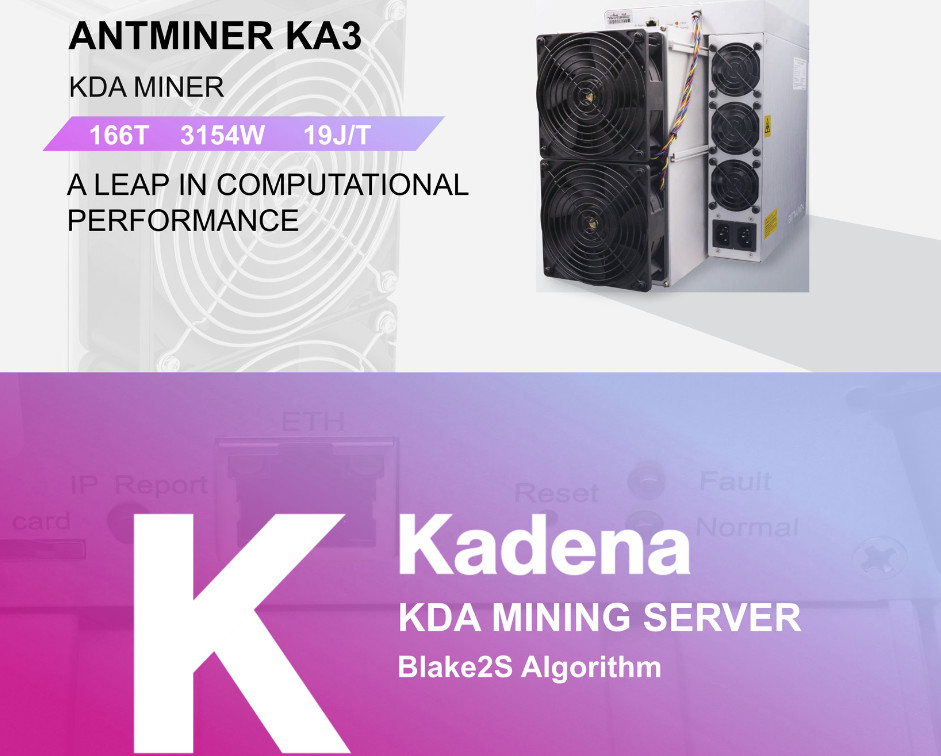
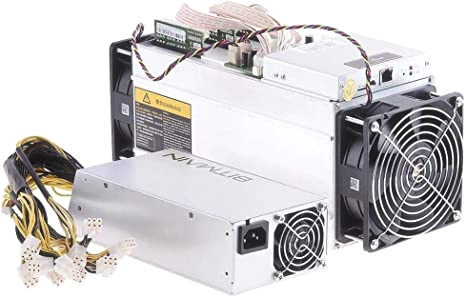
Choosing the right mining hardware is essential for maximizing profitability. The four major brands in the market are Antminer, Whatsminer, Avalon, and Sealminer. Each brand offers different models with varying efficiencies and cooling systems. For a detailed comparison, you can refer to the article on OneMiners.
- Antminer: Known for its high efficiency and reliability.
- Whatsminer: Offers competitive performance with advanced cooling solutions.
- Avalon: A solid choice for those looking for durability.
- Sealminer: Emerging brand with promising technology.
Energy Consumption in Bitcoin Mining
One of the most significant concerns surrounding Bitcoin mining is its energy consumption. Mining operations require substantial amounts of electricity, leading to debates about sustainability. According to various studies, the energy used by Bitcoin mining can be compared to that of entire countries. This has prompted discussions about the environmental impact and the need for greener alternatives.

The Future of Bitcoin Mining
As technology evolves, so does the landscape of Bitcoin mining. Innovations in hardware efficiency and renewable energy sources are paving the way for a more sustainable future. Miners are increasingly looking to solar and wind energy to power their operations, reducing their carbon footprint.
Moreover, regulatory changes and market dynamics will continue to shape the mining industry. For instance, recent developments in the cryptocurrency space, such as Plume’s broker-dealer license, may influence how mining operations are conducted and regulated.
Conclusion
Bitcoin mining remains a vital component of the cryptocurrency ecosystem. As miners adapt to technological advancements and environmental concerns, the future of this industry looks promising. Understanding the intricacies of mining hardware, energy consumption, and market trends will be essential for anyone looking to engage in Bitcoin mining.
Additional reading: MARA Sells 13,597 Bitcoin for $1.1 Billion, Says More Sales Are Coming from Bitcoin Magazine.