
Bitcoin mining is a crucial process that underpins the entire Bitcoin network. It involves solving complex mathematical problems to validate transactions and secure the network. As miners compete to solve these problems, they contribute to the creation of new bitcoins and the maintenance of the blockchain.
What is Bitcoin Mining?
At its core, Bitcoin mining is the process of adding transaction records to Bitcoin’s public ledger, known as the blockchain. Miners use powerful computers to solve cryptographic puzzles, and the first one to solve the puzzle gets to add a new block to the blockchain and is rewarded with newly minted bitcoins.
How Does Mining Work?
Mining involves several key components:
- Hash Rate: This is the measure of computational power used in mining. A higher hash rate increases the chances of solving the puzzle first.
- Mining Pools: Many miners join forces in pools to combine their computational power, increasing their chances of earning rewards.
- Difficulty Adjustment: The Bitcoin network adjusts the difficulty of mining approximately every two weeks to ensure that blocks are added roughly every ten minutes.
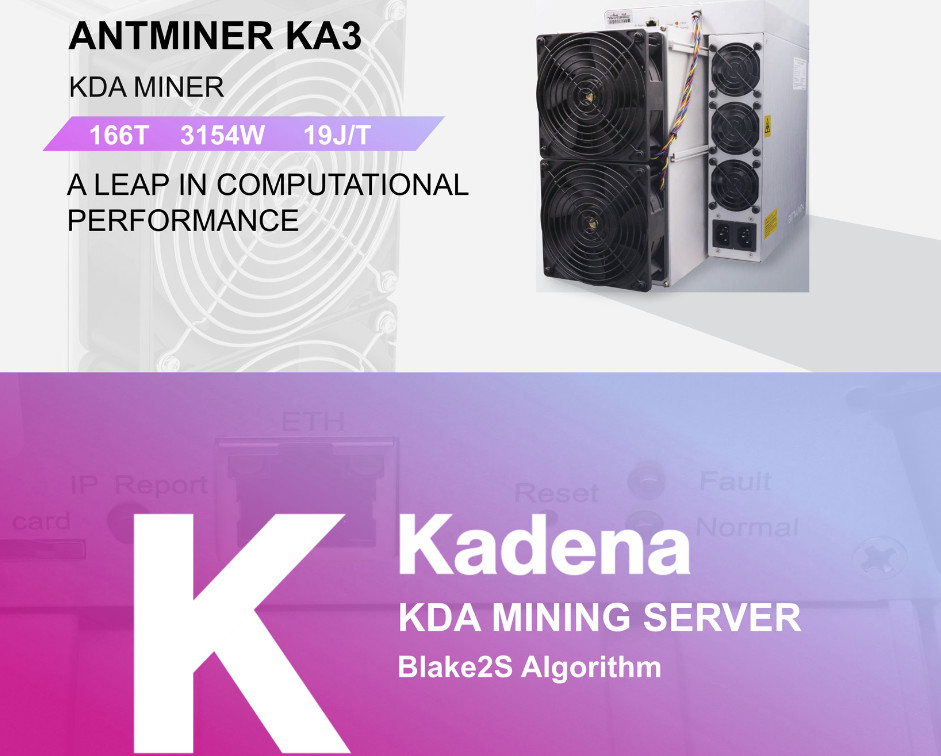
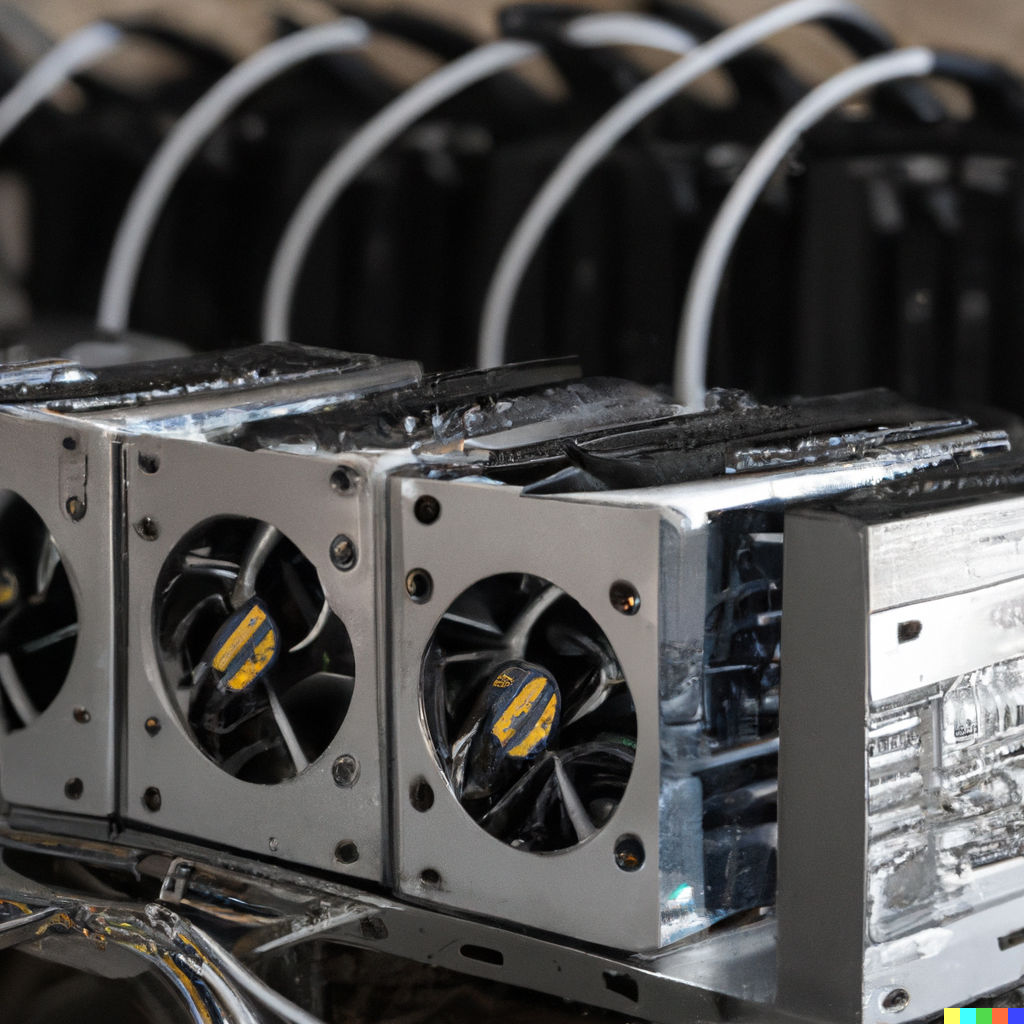
As the popularity of Bitcoin has surged, so has the competition among miners. This has led to the development of specialized hardware known as ASICs (Application-Specific Integrated Circuits), which are designed specifically for mining Bitcoin.

The Impact of Bitcoin Mining on the Market
Bitcoin mining has significant implications for the cryptocurrency market. The rewards miners receive for their efforts can influence the overall supply of bitcoins, which in turn affects the price. Recent reports indicate that Bitcoin rebounded above $60,000 after a significant liquidation wave, showcasing the volatility of the market influenced by mining activities (CoinDesk).
Environmental Concerns
One of the most pressing issues surrounding Bitcoin mining is its environmental impact. The energy consumption associated with mining operations has raised concerns among environmentalists and regulators. Miners often seek locations with cheaper electricity to maximize profits, which can lead to significant carbon footprints.
Efforts are being made to address these concerns, with some miners turning to renewable energy sources. The shift towards sustainable practices is essential for the long-term viability of Bitcoin mining.
Future of Bitcoin Mining
The future of Bitcoin mining is uncertain, especially with the ongoing discussions about regulatory frameworks and environmental sustainability. As the market evolves, miners will need to adapt to changing conditions, including potential shifts in technology and energy policies.
For more insights into the technical aspects of mining, you can read about Scrypt mining and how it relates to Bitcoin and other cryptocurrencies.
Conclusion
Bitcoin mining is a complex yet fascinating process that plays a vital role in the cryptocurrency ecosystem. Understanding its mechanics and implications can provide valuable insights for anyone interested in the future of digital currencies.
Additional reading: Bitcoin Price Slips to Lows Not Seen Since 2024, Nasdaq Plunges 5% from Bitcoin Magazine.