
Bitcoin mining has become a significant topic in the world of cryptocurrency, drawing attention not only for its potential profitability but also for its environmental implications. As the digital currency landscape evolves, understanding the mechanics of Bitcoin mining is essential for both investors and enthusiasts.
What is Bitcoin Mining?
At its core, Bitcoin mining is the process by which new bitcoins are created and transactions are verified on the blockchain. Miners use powerful computers to solve complex mathematical problems, which helps maintain the integrity of the Bitcoin network. In return for their efforts, miners are rewarded with newly minted bitcoins and transaction fees.
The Process of Mining
Mining involves several steps:
- Transaction Verification: Miners collect and verify transactions made by users.
- Block Creation: Verified transactions are grouped into blocks.
- Solving the Puzzle: Miners compete to solve a cryptographic puzzle to add the block to the blockchain.
- Reward Distribution: The first miner to solve the puzzle receives a reward in the form of bitcoins.
Environmental Impact of Bitcoin Mining
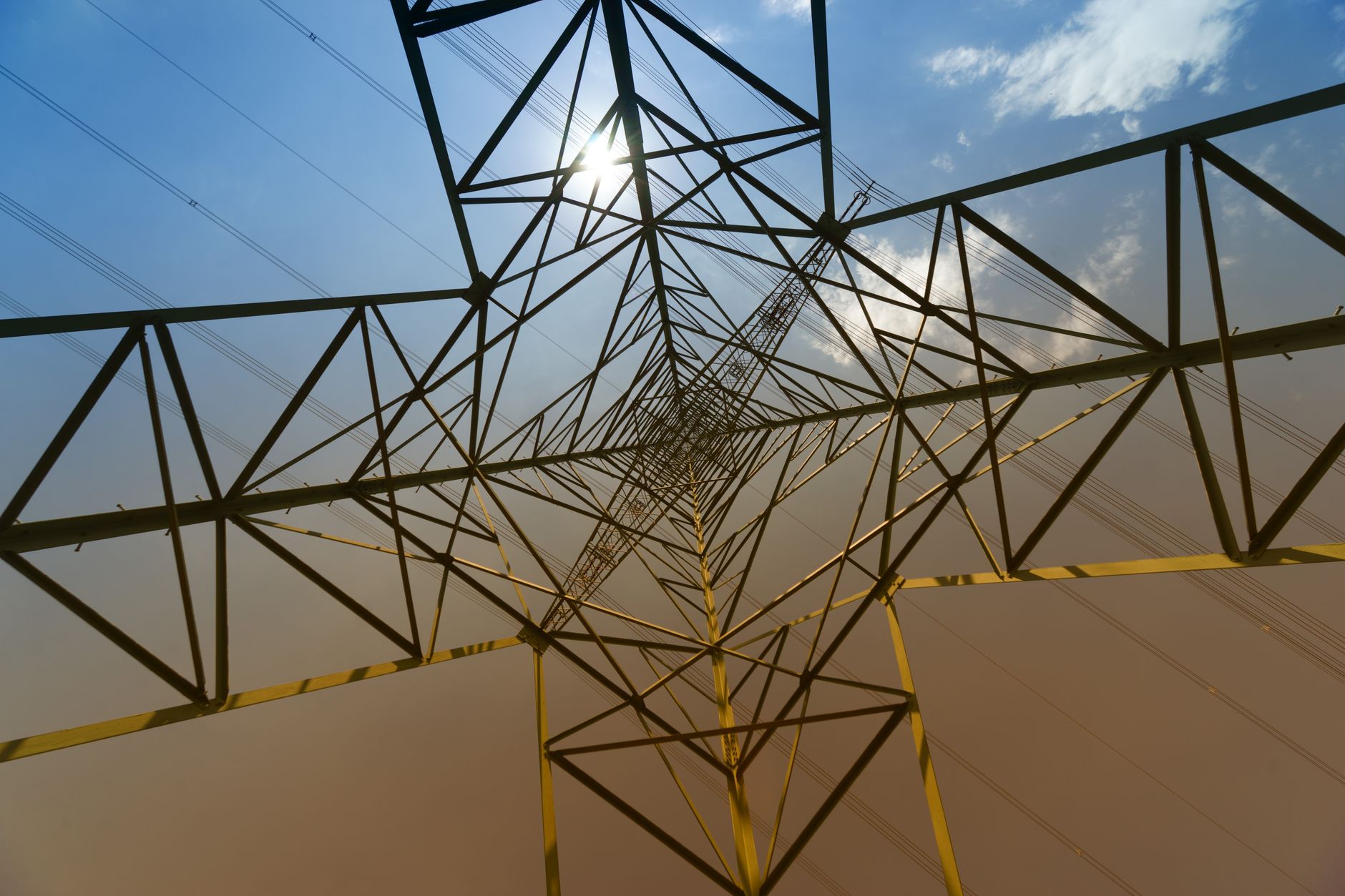
One of the most debated aspects of Bitcoin mining is its environmental impact. The energy consumption required for mining operations has raised concerns among environmentalists. According to a OneMiners article, Bitcoin mining consumes a significant amount of energy, comparable to that of entire countries.
Comparing Bitcoin Mining and Gold Mining
When comparing Bitcoin mining to traditional gold mining, several factors come into play:
- Energy Consumption: Bitcoin mining is often criticized for its high energy usage, while gold mining also has a substantial environmental footprint.
- Accessibility: Bitcoin mining can be done by anyone with the right equipment, whereas gold mining typically requires large investments and permits.
- Market Volatility: Bitcoin prices can fluctuate wildly, impacting miners’ profitability, unlike the more stable gold market.
For a deeper dive into the comparison between Bitcoin and gold mining, check out the detailed analysis in the OneMiners article.
Future of Bitcoin Mining
The future of Bitcoin mining is uncertain, especially with ongoing discussions about regulations and environmental policies. As the market matures, miners may need to adapt to new technologies and practices to remain competitive.
Additionally, the rise of renewable energy sources could play a crucial role in making Bitcoin mining more sustainable. Some mining operations are already exploring solar and wind energy to reduce their carbon footprint.
Conclusion
Bitcoin mining is a complex and evolving field that presents both opportunities and challenges. Understanding its mechanics, environmental impact, and comparison to traditional mining practices is essential for anyone interested in the cryptocurrency space. As technology advances and regulations change, the landscape of Bitcoin mining will continue to shift, making it a topic worth following closely.
Additional reading: Live updates: Bitcoin slips back under $60,000 as HYPE leads altcoins lower from CoinDesk.
Additional reading: Bitcoin Faces 6-Year Moving Average Test Only Seen During FTX Collapse from Bitcoin Magazine.