

Bitcoin mining is a crucial aspect of the cryptocurrency ecosystem, serving as the backbone for transaction verification and the creation of new coins. As the popularity of Bitcoin continues to grow, understanding the intricacies of mining becomes essential for investors and enthusiasts alike.
What is Bitcoin Mining?
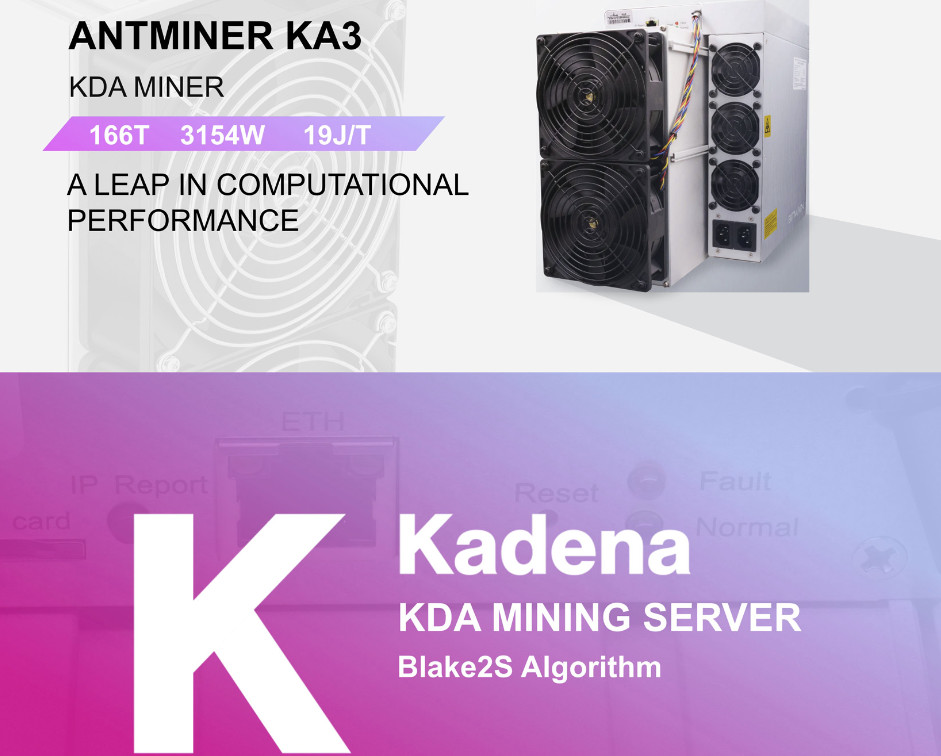
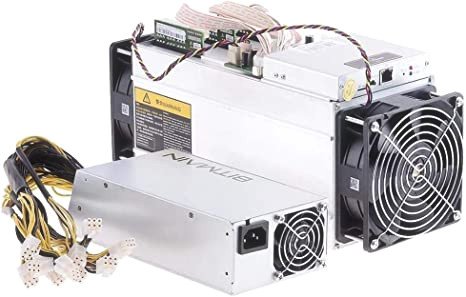
At its core, Bitcoin mining involves solving complex mathematical problems to validate transactions on the Bitcoin network. Miners use powerful computers, known as ASICs (Application-Specific Integrated Circuits), to compete in solving these problems. The first miner to solve the puzzle gets to add a new block to the blockchain and is rewarded with newly minted bitcoins.
The Mining Process
The mining process can be broken down into several key steps:
- Transaction Verification: Miners collect transactions from the Bitcoin network and verify their authenticity.
- Block Creation: Verified transactions are grouped into a block, which is then added to the blockchain.
- Proof of Work: Miners must solve a cryptographic puzzle to prove that they have expended computational resources.
- Reward Distribution: Upon successfully adding a block, the miner receives a reward in the form of bitcoins.
Profitability of Bitcoin Mining
Profitability in Bitcoin mining is influenced by several factors, including the cost of electricity, the efficiency of mining hardware, and the current price of Bitcoin. As noted in a recent article by OneMiners, owning mining equipment can be a more direct way to gain exposure to Bitcoin compared to investing in mining stocks.
Factors Affecting Profitability
Here are some critical factors that can impact the profitability of Bitcoin mining:
- Electricity Costs: Mining operations consume a significant amount of energy. Lower electricity costs can greatly enhance profitability.
- Hardware Efficiency: The type of mining hardware used can affect how many bitcoins are mined and the energy consumed.
- Bitcoin Market Price: The value of Bitcoin directly affects the revenue generated from mining.

Environmental Concerns
Bitcoin mining has faced criticism for its environmental impact, primarily due to the high energy consumption associated with the process. Many miners are now exploring renewable energy sources to mitigate their carbon footprint. For instance, some operations are utilizing solar or wind energy to power their mining rigs.
Innovations in Mining Technology
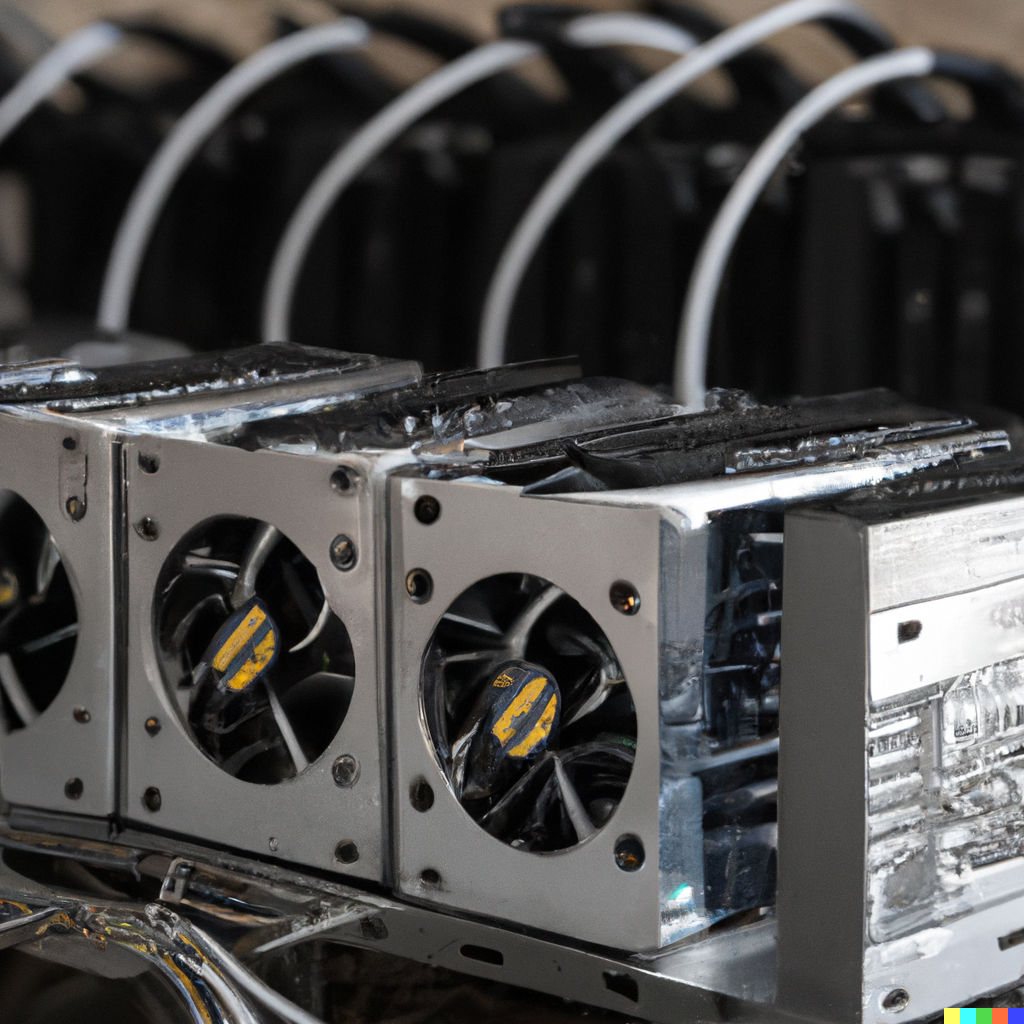
As the industry evolves, new technologies are being developed to improve efficiency and reduce environmental impact. Innovations such as liquid cooling systems and more efficient ASICs are becoming increasingly common.
The Future of Bitcoin Mining
The future of Bitcoin mining is uncertain but promising. With the rise of Bitcoin ETFs and institutional investment, as reported by CoinDesk, the demand for Bitcoin may continue to grow, driving further innovation in mining technology.
Conclusion
Bitcoin mining remains a complex yet fascinating field within the cryptocurrency landscape. Understanding its mechanics, profitability, and environmental implications is crucial for anyone looking to engage with Bitcoin. As technology advances and the market evolves, staying informed will be key to navigating this dynamic industry.
Additional reading: Strategy Opposes MSCI Proposal, Says Bitcoin Treasury Firms Are Being Targeted a Second Time from Bitcoin Magazine.