

Bitcoin mining is a crucial component of the Bitcoin network, serving both to validate transactions and to introduce new bitcoins into circulation. As the digital currency continues to gain traction, understanding the nuances of Bitcoin mining becomes increasingly important for investors and enthusiasts alike.
What is Bitcoin Mining?
At its core, Bitcoin mining involves using powerful computers to solve complex mathematical problems. These problems are part of the cryptographic process that secures the Bitcoin network. When a miner successfully solves a problem, they are rewarded with newly minted bitcoins and transaction fees from the transactions included in the block they mined.
The Mining Process
- Transaction Verification: Miners collect and verify transactions from the Bitcoin network.
- Block Creation: Verified transactions are grouped into a block.
- Proof of Work: Miners compete to solve a cryptographic puzzle, known as proof of work.
- Reward: The first miner to solve the puzzle adds the block to the blockchain and receives a reward.
The mining process is resource-intensive, requiring significant computational power and energy. This has led to discussions about the environmental impact of Bitcoin mining, prompting some miners to seek renewable energy sources.
Profitability of Bitcoin Mining
Profitability in Bitcoin mining can vary greatly based on several factors, including:
- Electricity Costs: Mining consumes a lot of energy, and the cost of electricity can significantly impact profitability.
- Mining Difficulty: The Bitcoin network adjusts the difficulty of mining approximately every two weeks, which can affect how easily miners can earn rewards.
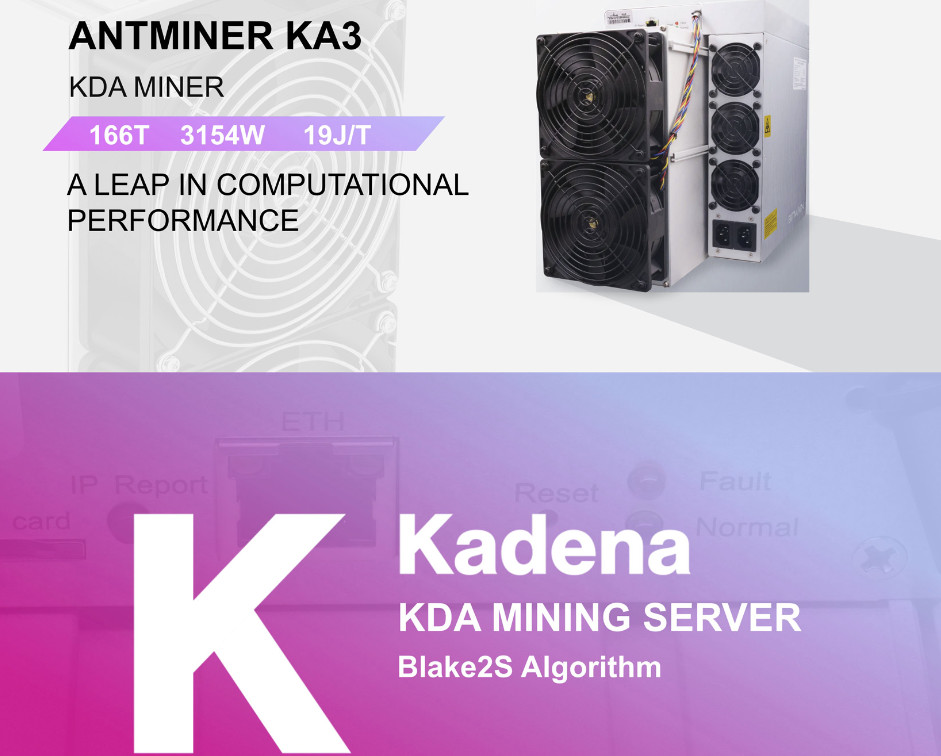
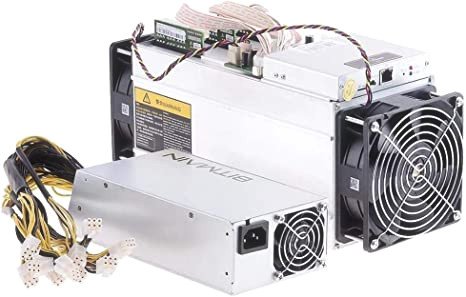
- Hardware Efficiency: The type of mining hardware used can determine how efficiently a miner can solve problems.
According to a recent article from OneMiners, many investors are weighing the benefits of owning mining stocks versus directly investing in mining hardware. This decision often hinges on the investor’s risk tolerance and market outlook.
Technological Advancements in Mining
The technology behind Bitcoin mining is continually evolving. Innovations in hardware, such as Application-Specific Integrated Circuits (ASICs), have made mining more efficient. These devices are designed specifically for mining and can outperform general-purpose hardware significantly.
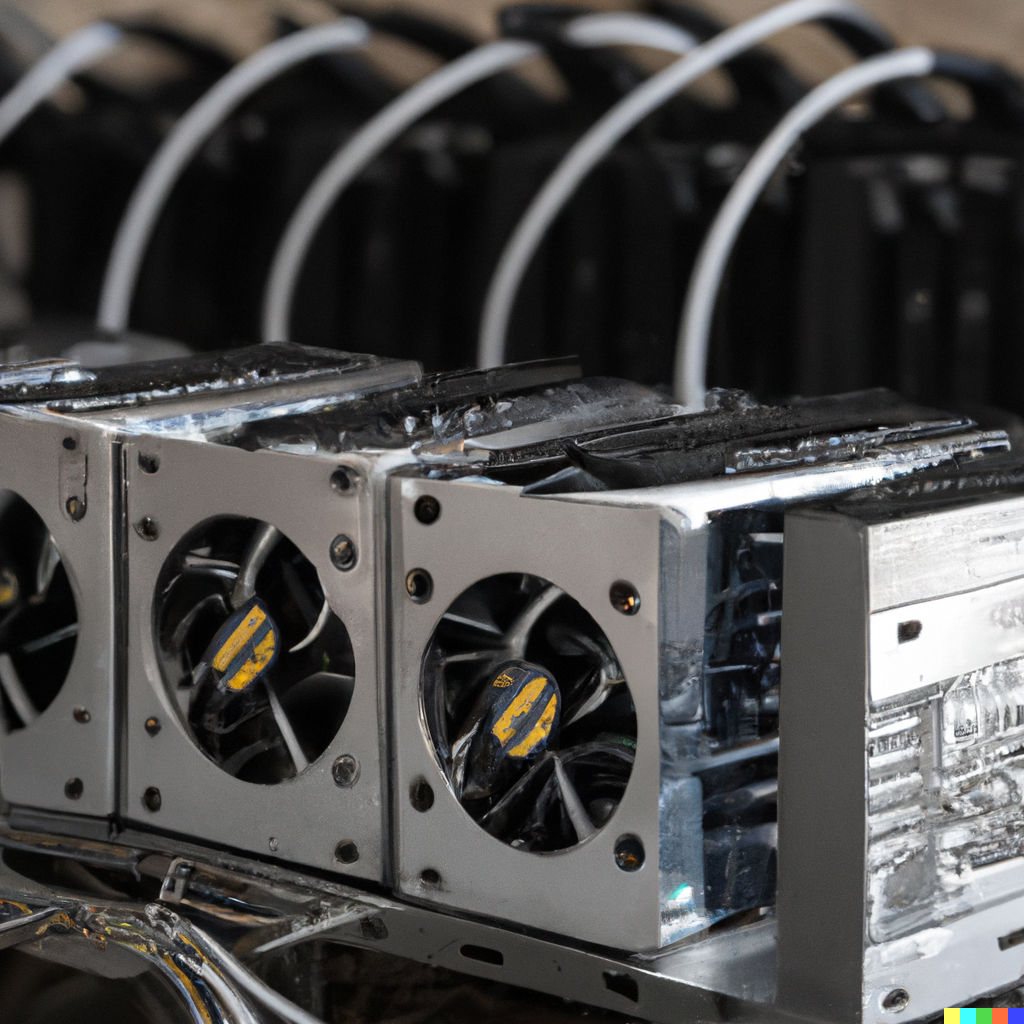
Additionally, advancements in cooling systems and energy management are helping miners reduce operational costs. As the industry matures, we can expect further improvements that could enhance profitability and sustainability.
Future Trends
Looking ahead, several trends are emerging in the Bitcoin mining landscape:
- Increased Regulation: As Bitcoin mining grows, governments may impose regulations to address environmental concerns and financial stability.
- Shift to Renewable Energy: Many miners are exploring renewable energy sources to power their operations, reducing their carbon footprint.
- Consolidation of Mining Operations: Larger companies may acquire smaller miners, leading to fewer but larger mining operations.
For a deeper dive into the implications of these trends, check out the insights from CoinDesk.
Additional reading: BlackRock Re-Underwrites Bitcoin, and the Portfolio Math Still Holds from Bitcoin Magazine.

Conclusion
Bitcoin mining remains a complex yet fascinating aspect of the cryptocurrency ecosystem. As technology advances and market dynamics shift, staying informed is crucial for anyone interested in this field. Whether you’re considering investing in mining stocks or hardware, understanding the fundamentals will help you navigate this evolving landscape.