

Bitcoin mining is a crucial process that underpins the entire Bitcoin network. It involves solving complex mathematical problems to validate transactions, ensuring the security and integrity of the blockchain. As the popularity of Bitcoin continues to rise, understanding the intricacies of mining becomes increasingly important.
What is Bitcoin Mining?
At its core, Bitcoin mining is the process by which new bitcoins are created and transactions are verified. Miners use powerful computers to compete in solving cryptographic puzzles. The first miner to solve the puzzle gets to add a new block to the blockchain and is rewarded with newly minted bitcoins.
The Mining Process
- Transaction Verification: Miners collect transactions from the Bitcoin network and verify their authenticity.
- Solving Puzzles: They then compete to solve a cryptographic puzzle, which requires significant computational power.
- Block Addition: Once a puzzle is solved, the miner adds the block to the blockchain and broadcasts it to the network.
- Reward: The successful miner receives a block reward, which currently stands at 6.25 bitcoins, and transaction fees from the transactions included in the block.
Challenges in Bitcoin Mining
Despite its profitability, Bitcoin mining faces several challenges:
- High Energy Consumption: Mining requires substantial electricity, leading to concerns about its environmental impact.
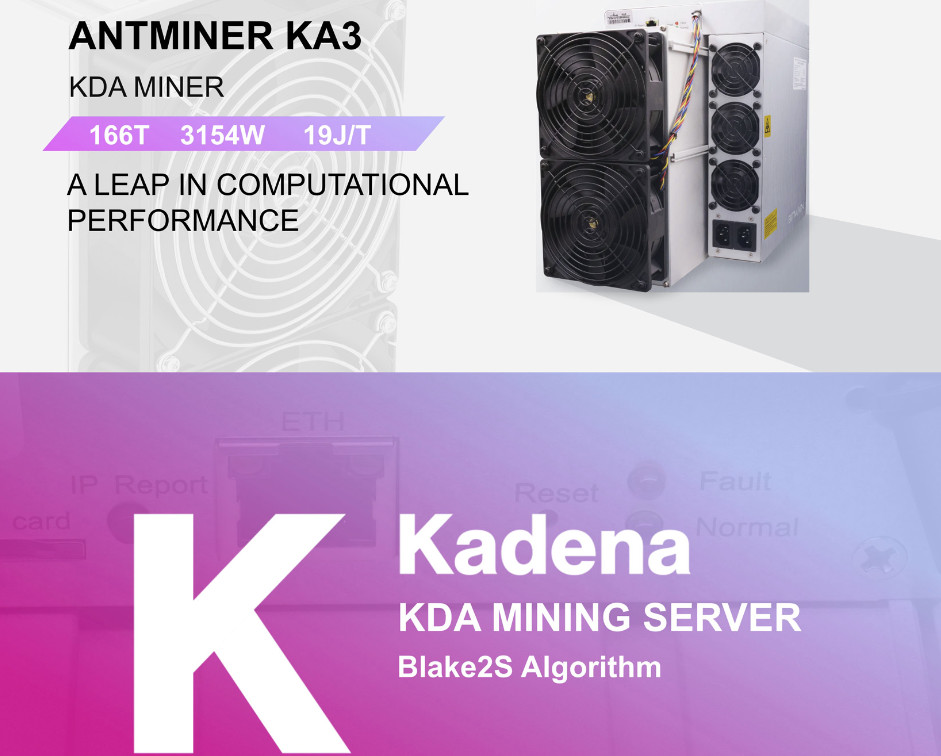
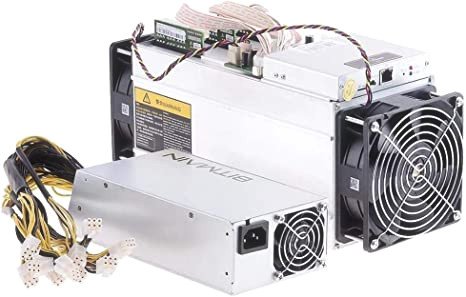
- Hardware Costs: The initial investment in mining hardware can be significant, with top-tier ASIC miners costing thousands of dollars.
- Difficulty Adjustment: The Bitcoin network adjusts the difficulty of mining approximately every two weeks, which can affect profitability.
As highlighted by a recent article on OneMiners, the efficiency of mining hardware and electricity costs are critical factors that determine the profitability of mining operations.
The Future of Bitcoin Mining
Looking ahead, several trends are shaping the future of Bitcoin mining:
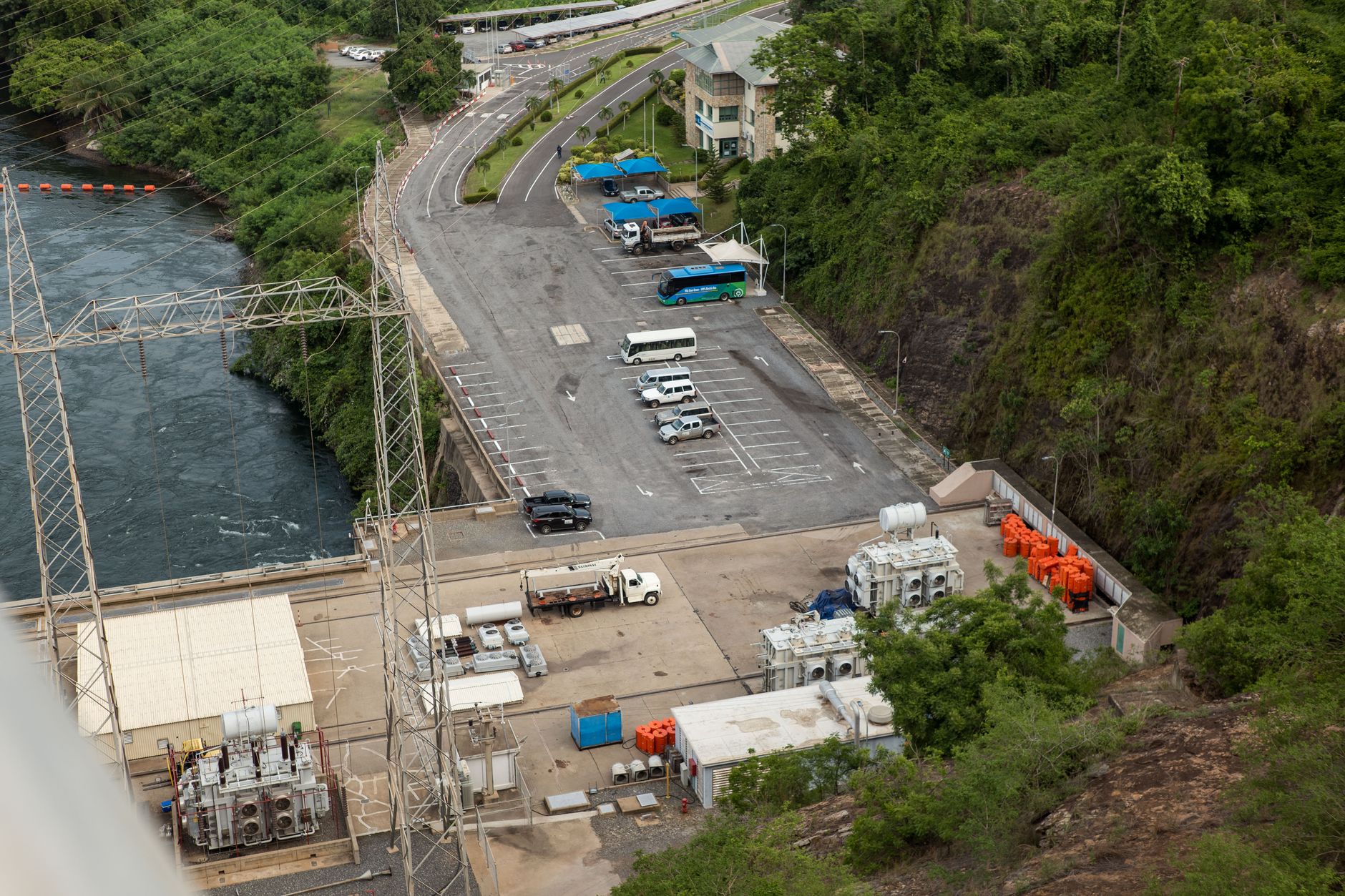
- Renewable Energy: Many miners are exploring renewable energy sources to mitigate environmental concerns and reduce costs.
- Technological Advancements: Innovations in mining hardware and software are expected to improve efficiency and reduce energy consumption.
- Regulatory Changes: As governments around the world begin to regulate cryptocurrencies, the mining landscape may shift significantly.
For instance, Bitcoin Magazine discusses how regulatory changes in the UK are influencing the crypto trading landscape, which could indirectly affect mining operations.
Additional reading: From warning to listing: UK’s largest retail investment platform opens access to crypto ETNs from CoinDesk.
Conclusion
Bitcoin mining remains a vital component of the cryptocurrency ecosystem. While it presents various challenges, the potential for innovation and adaptation offers a promising outlook for miners. By understanding the complexities of mining, stakeholders can better navigate this evolving landscape.