
Bitcoin mining is a critical process that underpins the entire Bitcoin network. It involves solving complex mathematical problems to validate transactions and add them to the blockchain. As the cryptocurrency landscape evolves, understanding the intricacies of Bitcoin mining becomes increasingly important for both enthusiasts and investors.
What is Bitcoin Mining?
At its core, Bitcoin mining is the process of creating new bitcoins and verifying transactions on the Bitcoin network. Miners use powerful computers to solve cryptographic puzzles, and in return, they are rewarded with newly minted bitcoins and transaction fees.
The Mining Process
The mining process consists of several steps:
- Transaction Verification: Miners collect transactions from the Bitcoin network and verify their validity.
- Block Creation: Validated transactions are grouped into a block.
- Solving the Puzzle: Miners compete to solve a cryptographic puzzle associated with the block.
- Adding to the Blockchain: The first miner to solve the puzzle broadcasts their solution, and if accepted, the block is added to the blockchain.
As more miners join the network, the difficulty of the puzzles increases, ensuring that new bitcoins are created at a steady rate.
Challenges in Bitcoin Mining
While Bitcoin mining can be lucrative, it also comes with significant challenges:
- High Energy Consumption: Mining requires substantial energy, leading to concerns about its environmental impact.
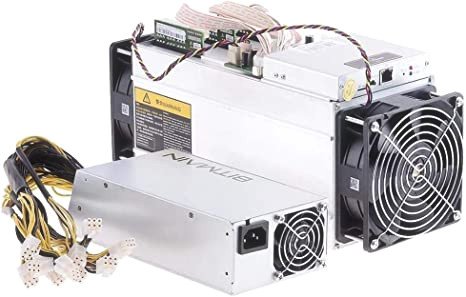
- Hardware Costs: Specialized mining hardware, such as ASICs, can be expensive and may become obsolete quickly.
- Market Volatility: The profitability of mining is closely tied to the price of Bitcoin, which can fluctuate dramatically.
Technological Advances in Mining
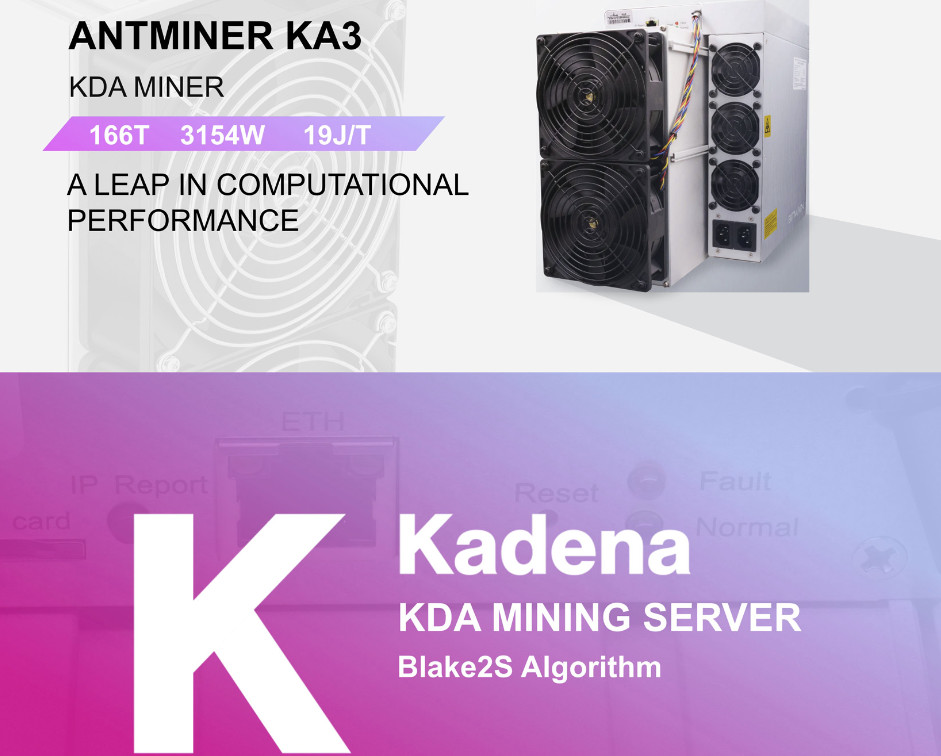
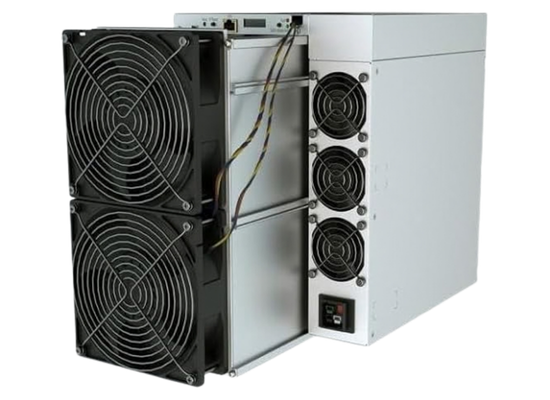
Recent advancements in mining technology have aimed to address some of these challenges. For instance, new ASIC miners are more energy-efficient and powerful, allowing miners to maximize their returns. The latest comparisons of mining hardware highlight the importance of efficiency in this competitive landscape.
The Future of Bitcoin Mining
As the Bitcoin network matures, several trends are emerging:
- Increased Regulation: Governments are beginning to impose regulations on mining operations, particularly concerning energy use.
- Shift to Renewable Energy: Many miners are exploring renewable energy sources to mitigate environmental concerns and reduce costs.
- Integration with Financial Products: Platforms like Hargreaves Lansdown are now offering access to Bitcoin trading, indicating a growing acceptance of cryptocurrencies in mainstream finance (Bitcoin Magazine).
Conclusion
Bitcoin mining remains a complex yet fascinating aspect of the cryptocurrency ecosystem. As technology evolves and the market matures, miners must adapt to new challenges and opportunities. Understanding these dynamics is crucial for anyone looking to engage with Bitcoin mining or invest in the cryptocurrency market.
Additional reading: From warning to listing: UK’s largest retail investment platform opens access to crypto ETNs from CoinDesk.