

Bitcoin mining is a crucial component of the cryptocurrency ecosystem, serving as the backbone of the Bitcoin network. It involves the process of validating transactions and adding them to the blockchain, which is a public ledger of all Bitcoin transactions. This article delves into the complexities of Bitcoin mining, its challenges, and future trends.
What is Bitcoin Mining?
At its core, Bitcoin mining is the process by which new bitcoins are created and transactions are verified. Miners use powerful computers to solve complex mathematical problems, which in turn secures the network and processes transactions. The first miner to solve the problem gets to add a new block to the blockchain and is rewarded with newly minted bitcoins.
The Importance of Mining in the Bitcoin Network
Mining is essential for several reasons:
- Transaction Verification: Miners confirm transactions, ensuring that no one can double-spend their bitcoins.
- Network Security: The decentralized nature of mining helps protect the network from attacks.
- New Bitcoin Creation: Mining is the only way to create new bitcoins, with a capped supply of 21 million coins.
Challenges Faced by Bitcoin Miners
Despite its importance, Bitcoin mining comes with significant challenges:
- High Energy Consumption: Mining requires substantial electricity, leading to concerns about its environmental impact.
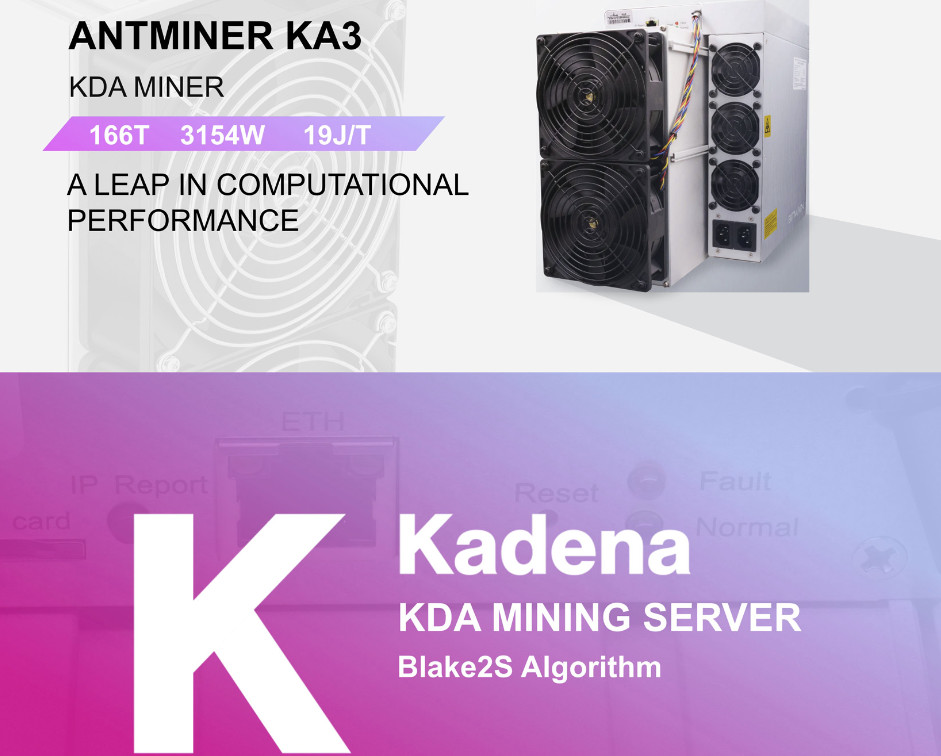
- Hardware Costs: The initial investment in mining hardware can be substantial, with top-tier ASIC miners costing thousands of dollars.
- Market Volatility: The profitability of mining can fluctuate dramatically based on Bitcoin’s market price and mining difficulty.
According to a recent article on OneMiners, the efficiency of mining hardware plays a crucial role in determining profitability. As the network becomes more competitive, miners must invest in the latest technology to remain viable.

Future Trends in Bitcoin Mining
As the cryptocurrency landscape evolves, so does Bitcoin mining. Here are some trends to watch:
- Green Mining: There is a growing emphasis on using renewable energy sources to power mining operations, reducing carbon footprints.
- Mining Pools: Many miners are joining forces in mining pools to increase their chances of earning rewards.
- Regulatory Scrutiny: Governments are beginning to take a closer look at mining operations, which could lead to new regulations.
Recent reports from CoinDesk indicate that investment in blockchain technology, including mining, is rebounding, particularly in regions like Southeast Asia. This resurgence could lead to innovations in mining efficiency and sustainability.
Additional reading: Hargreaves Lansdown Reverses Course, Rolls Out Bitcoin Trading from Bitcoin Magazine.

Conclusion
Bitcoin mining remains a vital aspect of the cryptocurrency ecosystem, with its challenges and opportunities shaping the future of digital currencies. As technology advances and the market evolves, miners must adapt to stay competitive. Understanding these dynamics is essential for anyone interested in the world of Bitcoin.