
Bitcoin mining has become a pivotal aspect of the cryptocurrency landscape, influencing both the market and technological advancements. As of August 2026, the mining difficulty has seen a significant drop, falling 19.9% from its peak, which presents both challenges and opportunities for miners.
Current State of Bitcoin Mining Difficulty
According to a recent article from OneMiners, the mining difficulty currently sits at 127.48 trillion hashes, marking a notable decrease from its all-time high. This adjustment is significant as it is only the second time in history that the difficulty has dropped below year-earlier levels. For miners, this means that the competition has lessened, potentially increasing profitability for those still operating.
Implications of Difficulty Adjustments
The reduction in mining difficulty can be interpreted as a capitulation phase for many miners. This phase often indicates that less efficient operations may shut down, leading to a more concentrated and potentially profitable mining environment for those who remain. The implications of such adjustments can be profound, affecting everything from operational strategies to investment decisions.
Market Influences on Bitcoin Mining
Market dynamics play a crucial role in the viability of Bitcoin mining. Recent reports indicate that Bitcoin has experienced its second-best week since early 2021, driven by factors such as treasury buybacks and ETF inflows, as highlighted by CoinDesk. This resurgence in market interest can lead to increased mining activity as more individuals and institutions seek to capitalize on rising prices.
Investor Sentiment and Bitcoin
Investor sentiment is also shifting, with notable figures like Ray Dalio advocating for Bitcoin as a hedge against economic instability. His insights, shared in an article from Bitcoin Magazine, suggest that Bitcoin’s role in the financial ecosystem is becoming increasingly recognized, further driving interest in mining operations.
Challenges Facing Miners
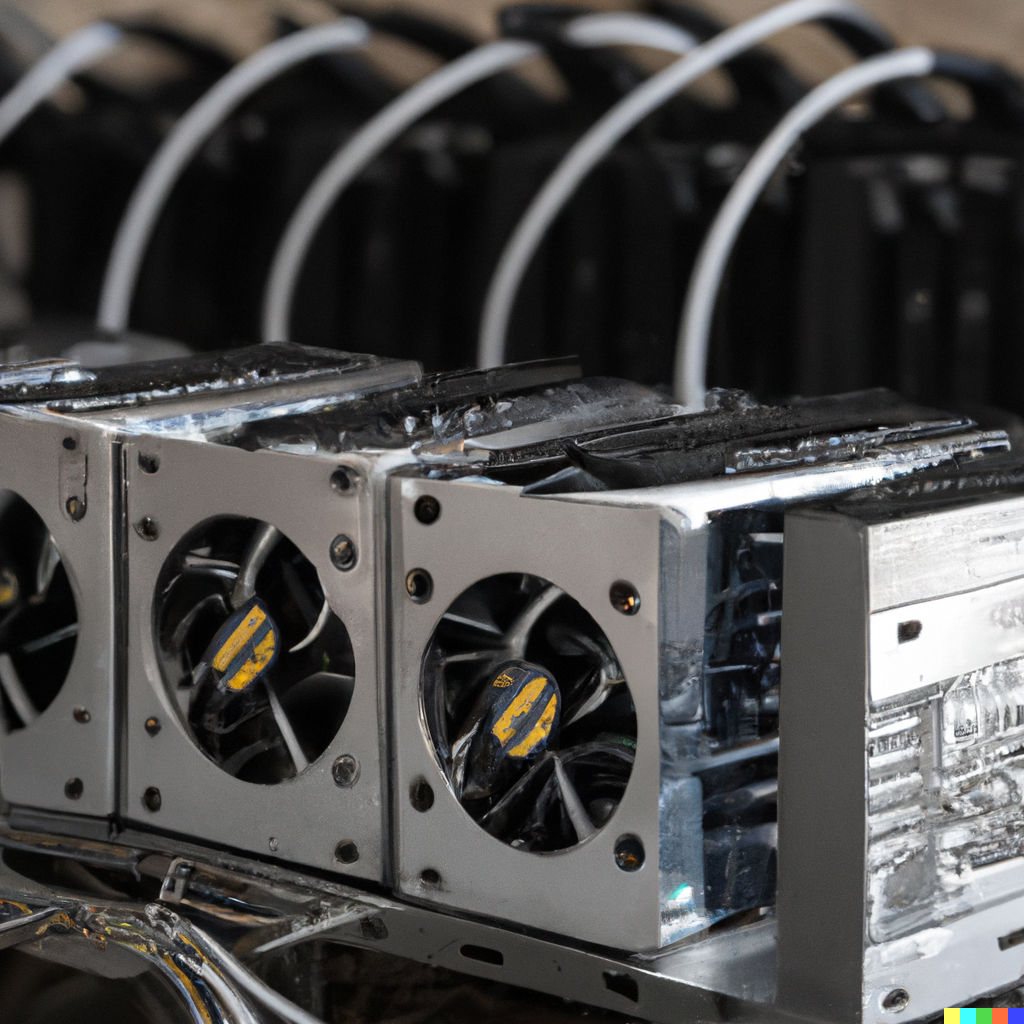
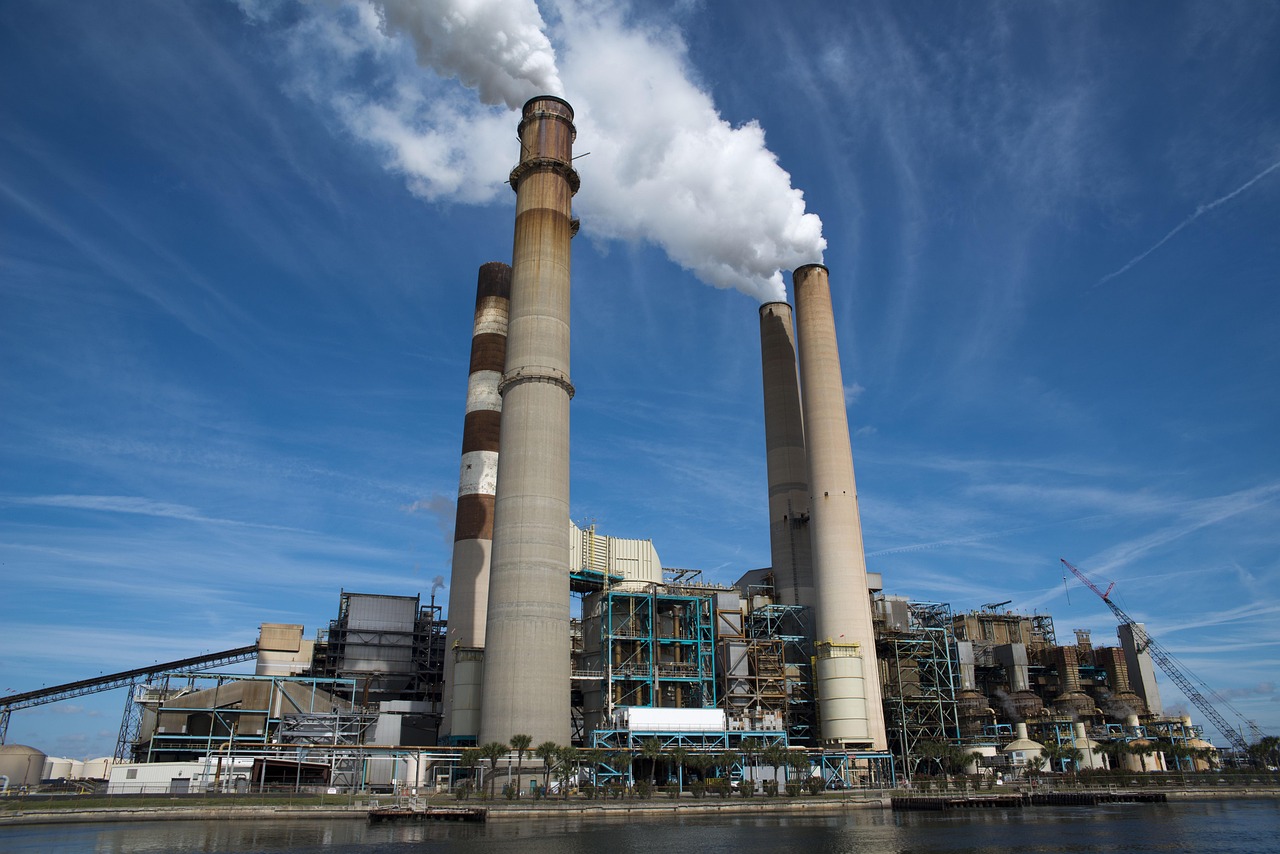
Despite the opportunities presented by market fluctuations, Bitcoin miners face several challenges. The rising costs of electricity and the need for advanced cooling systems are significant operational hurdles. Additionally, regulatory scrutiny is increasing, which could impact the future of mining operations globally.
Technological Advancements
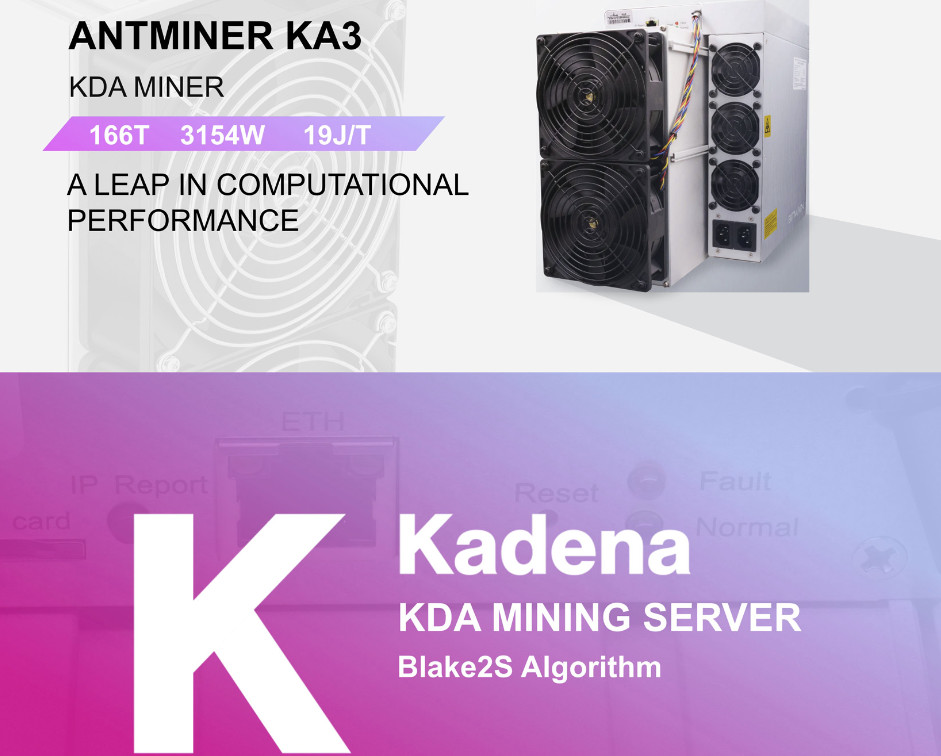
To remain competitive, miners are investing in more efficient hardware and innovative cooling solutions. The latest ASIC miners are designed to maximize output while minimizing energy consumption, which is critical in an environment where profit margins are continually squeezed.

Conclusion
In summary, Bitcoin mining is at a crossroads, with recent difficulty adjustments and market dynamics creating both challenges and opportunities. As the landscape evolves, miners must adapt their strategies to navigate the complexities of this ever-changing environment. For more insights on Bitcoin mining and its implications, visit OneMiners.