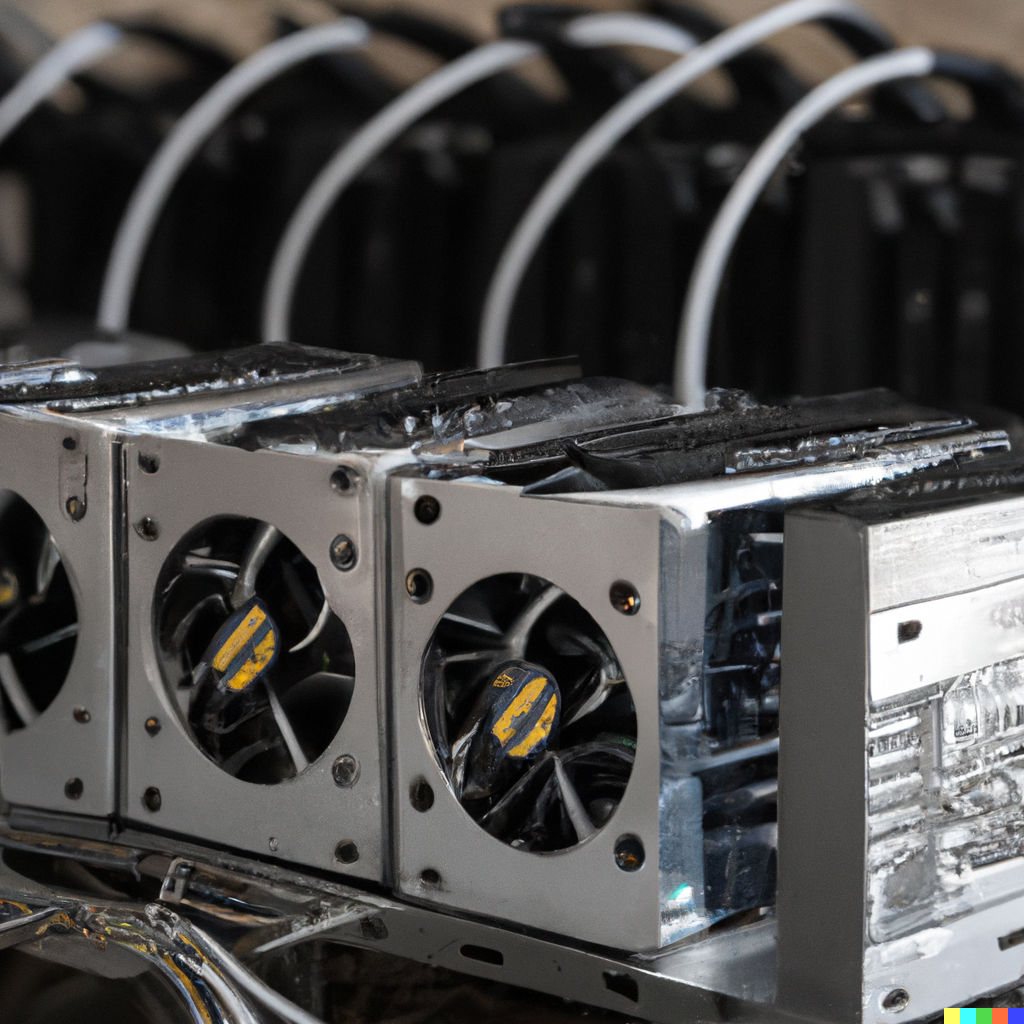


Bitcoin mining is a crucial component of the cryptocurrency ecosystem, responsible for validating transactions and securing the network. Recently, Bitcoin mining difficulty has seen significant fluctuations, impacting miners and the broader market.
What is Bitcoin Mining Difficulty?
Bitcoin mining difficulty refers to how hard it is to find a new block in the blockchain. This difficulty adjusts approximately every two weeks based on the total computational power of the network. A higher difficulty means that miners need more computational power to solve complex mathematical problems, while a lower difficulty allows for easier mining.
Recent Changes in Mining Difficulty
As reported by OneMiners, Bitcoin mining difficulty has recently decreased by 19.9% from its peak, settling at 127.48 trillion. This adjustment is significant as it marks only the second time in history that the difficulty has dropped below year-earlier levels.
This decline in difficulty can be attributed to various factors, including a reduction in the number of active miners and changes in the overall hash rate of the network. For miners still operating, this adjustment can lead to increased profitability, as their machines will find blocks more easily.
Implications for Miners
The drop in mining difficulty presents both opportunities and challenges for miners. On one hand, it allows existing miners to operate more efficiently, potentially increasing their earnings. On the other hand, it may indicate a capitulation phase where less efficient miners exit the market, leading to a consolidation of mining power among larger entities.
As noted in a recent article from Bitcoin Magazine, the current market dynamics suggest that smart money is beginning to support a Bitcoin rebound, which could further influence mining operations.
The Future of Bitcoin Mining
Looking ahead, the landscape of Bitcoin mining is likely to evolve with ongoing regulatory changes and technological advancements. As highlighted by CoinDesk, the recent regulatory proposals could impact how mining operations are conducted, particularly in terms of energy consumption and environmental considerations.
Miners will need to adapt to these changes, potentially investing in more energy-efficient technologies or exploring alternative energy sources to remain competitive.
Conclusion
Understanding Bitcoin mining difficulty is essential for anyone involved in the cryptocurrency space. The recent decrease in difficulty presents both opportunities and challenges for miners, and staying informed about market trends and regulatory changes will be crucial for future success.