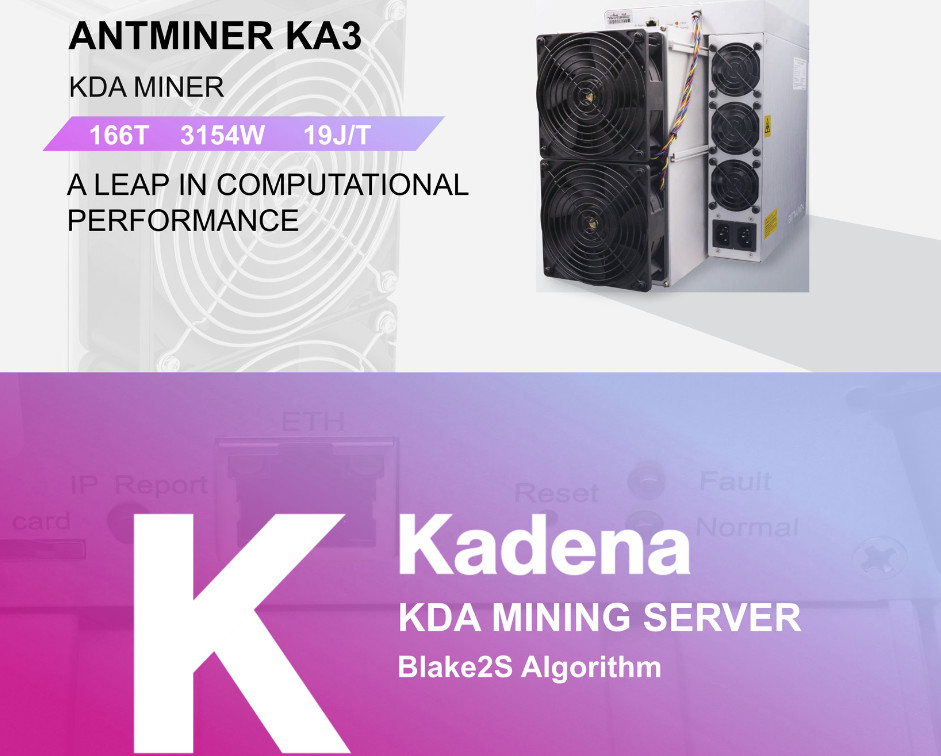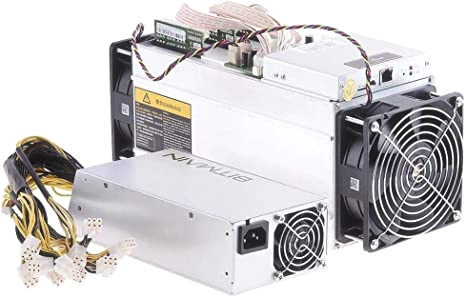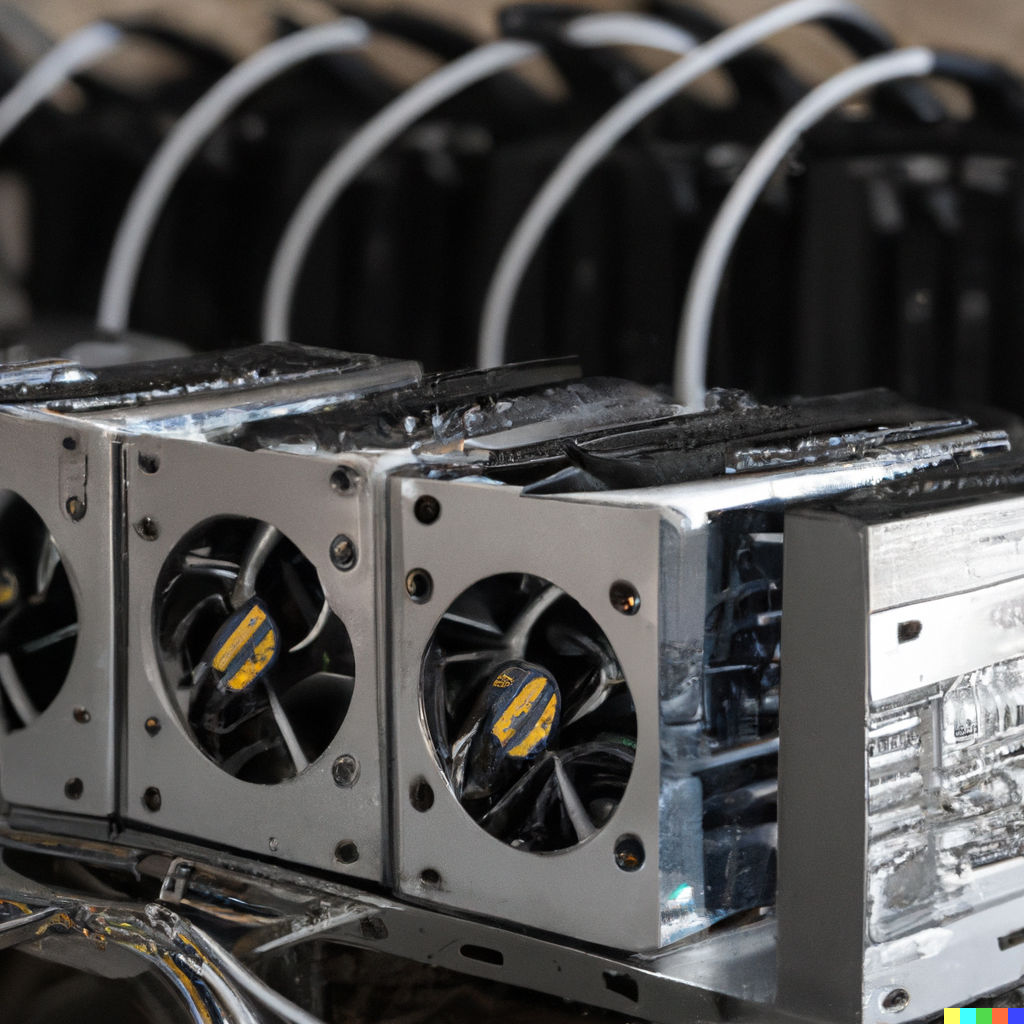

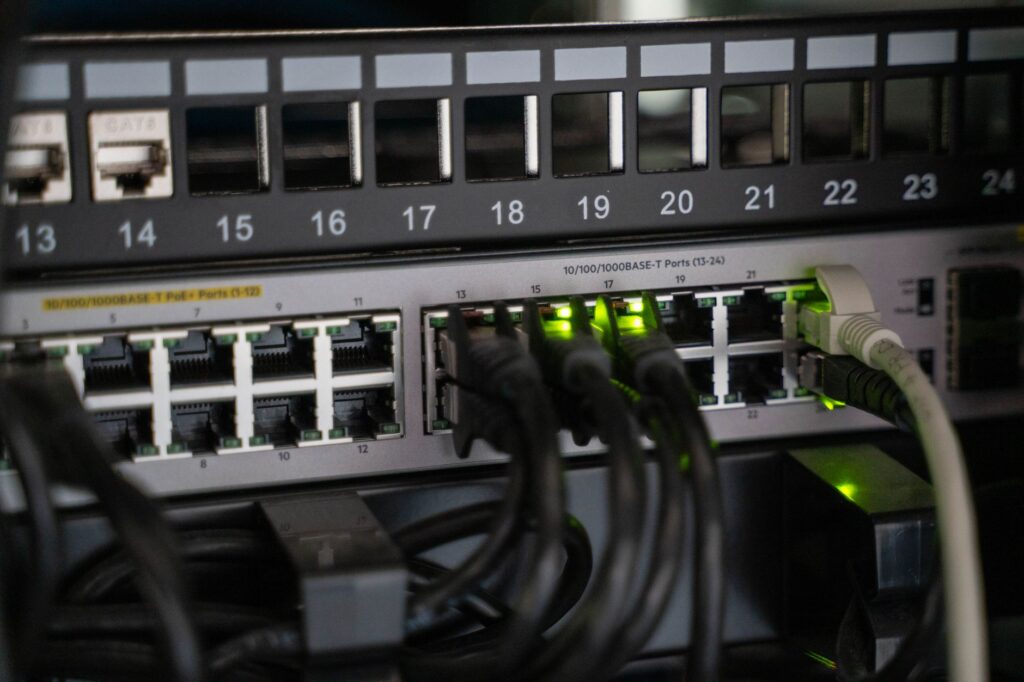
Bitcoin mining is a crucial process that involves validating transactions on the Bitcoin network and adding them to the blockchain. As the demand for Bitcoin continues to grow, so does the need for efficient and secure mining operations. One key aspect of successful Bitcoin mining is the constant monitoring of equipment and performance metrics.
24/7 Monitoring of Bitcoin Miners
To ensure that Bitcoin mining operations run smoothly, hosting teams monitor various parameters around the clock. This includes tracking hashrate, temperature, fan speeds, and power consumption. Any anomalies can trigger alerts, allowing for immediate action to prevent downtime or equipment failure. According to a detailed analysis by OneMiners, effective monitoring is essential for maintaining operational efficiency.
Key Metrics in Bitcoin Mining
- Hashrate: This measures the computational power of the mining equipment. A higher hashrate indicates better performance.
- Temperature: Keeping the mining hardware cool is vital to prevent overheating and potential damage.
- Fan Speeds: Proper airflow is necessary to maintain optimal temperatures within the mining rigs.
- Power Consumption: Monitoring power usage helps in assessing the cost-effectiveness of mining operations.
In addition to these metrics, hosting teams also keep an eye on error rates and system alerts. Regular reboots and firmware updates are part of the maintenance routine to ensure that the mining equipment operates at peak performance.
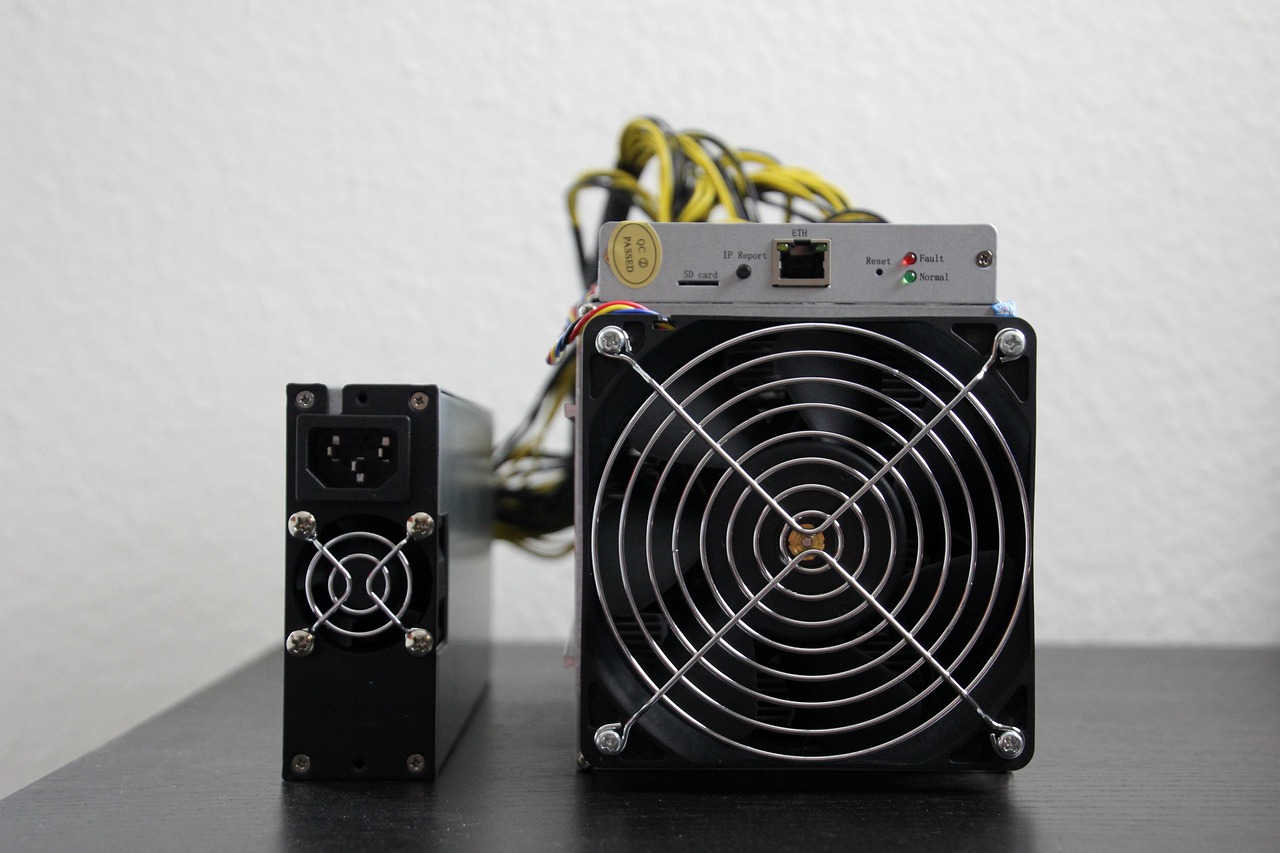
The Importance of Efficient Mining Operations
Efficient mining operations not only maximize profitability but also contribute to the overall health of the Bitcoin network. As more miners join the network, the competition increases, making it essential for existing miners to optimize their operations. A recent article from CoinDesk highlights how the dormant supply of Bitcoin is rising, indicating that miners are holding onto their assets, potentially waiting for better market conditions.
Moreover, the security of mining operations is paramount. A tiny payment can expose the IP address behind a Bitcoin wallet, as discovered by a developer. This vulnerability emphasizes the need for miners to implement robust security measures to protect their operations and assets. For more on this topic, check out the findings on CoinDesk.
Future of Bitcoin Mining
The landscape of Bitcoin mining is continuously evolving. As technology advances, miners must adapt to new tools and techniques to stay competitive. The introduction of more efficient mining hardware and improved cooling systems can significantly impact operational costs and efficiency.
Additionally, the regulatory environment surrounding Bitcoin mining is also changing. Miners must stay informed about local regulations and compliance requirements to avoid potential legal issues. The future of Bitcoin mining will likely involve a greater emphasis on sustainability and energy efficiency, as public scrutiny increases regarding the environmental impact of mining activities.
Additional reading: The Agentic Economy Is WAY Bigger Than You Think | Xen Baynham-Herd from Bitcoin Magazine.

Conclusion
In conclusion, Bitcoin mining is a complex process that requires constant monitoring and management to ensure efficiency and security. By keeping track of key performance metrics and adapting to technological advancements, miners can optimize their operations and contribute to the stability of the Bitcoin network. For further insights into Bitcoin mining and its management, visit OneMiners.