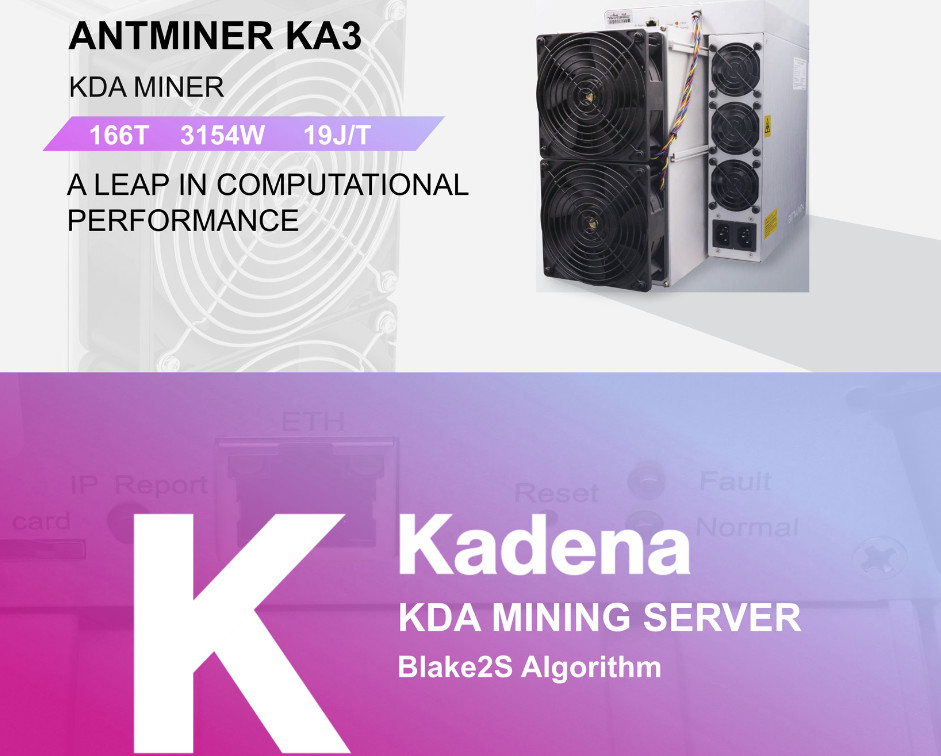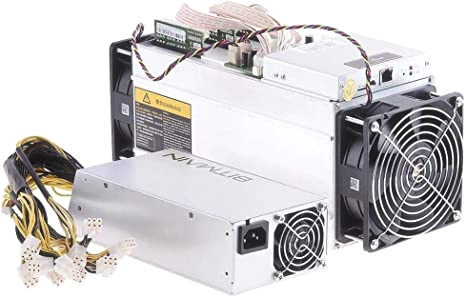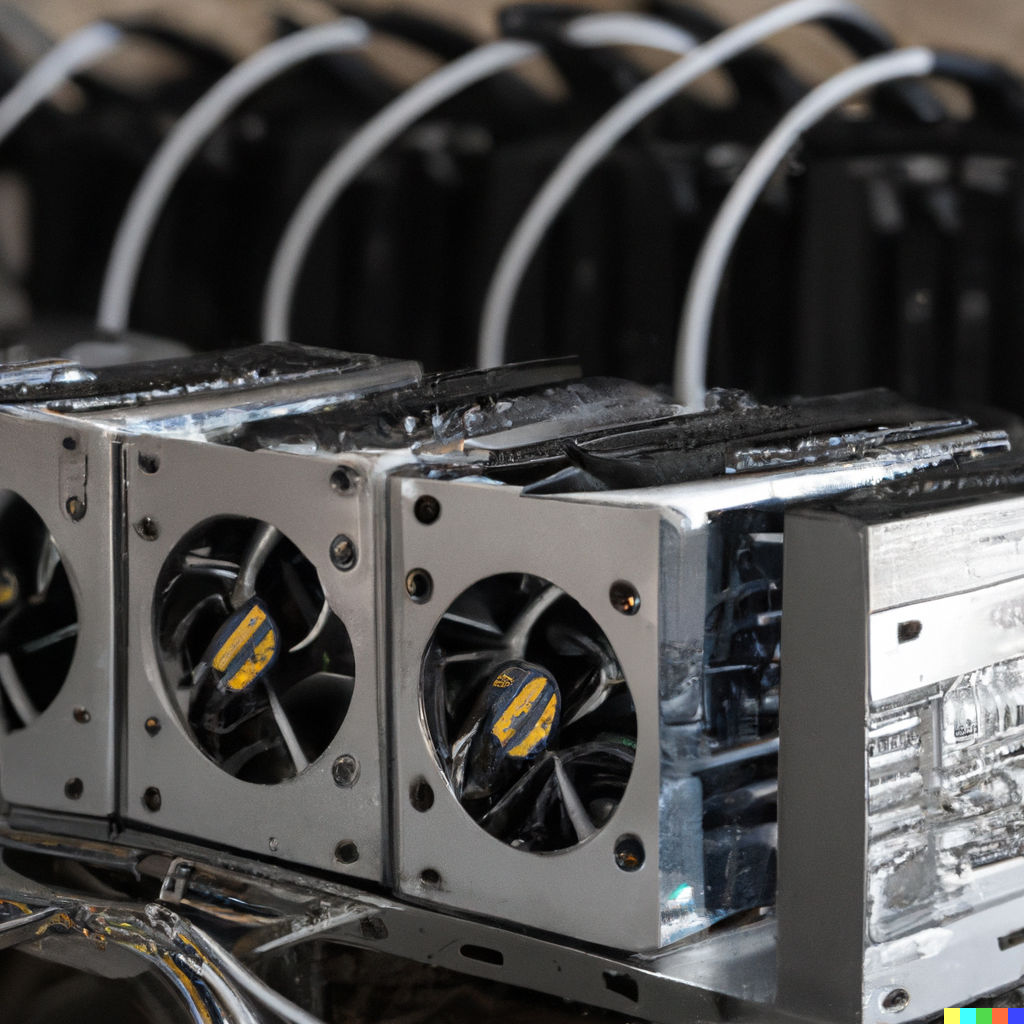


Bitcoin mining is a critical component of the cryptocurrency ecosystem, serving as the backbone for transaction verification and the creation of new coins. Before a Bitcoin miner goes live, it undergoes a rigorous testing process to ensure its efficiency and reliability.
How Bitcoin Miners Are Tested
The testing of Bitcoin miners typically involves several stages, including unboxing, burn-in, hashrate checks, temperature monitoring, and pool checks. Each of these steps is essential to ensure that the miner operates optimally once it starts mining.
According to a detailed guide from OneMiners, the unboxing process allows technicians to inspect the hardware for any physical defects. Following this, a burn-in test is conducted to ensure that the miner can handle prolonged use without overheating or failing.
Importance of Hashrate and Temperature Checks
Hashrate is a crucial metric in Bitcoin mining, as it indicates the miner’s processing power. During testing, miners are evaluated for their hashrate performance to ensure they meet the expected standards. Additionally, temperature checks are vital to prevent overheating, which can lead to hardware failure.
Once the initial tests are complete, miners are connected to a pool to verify their performance in a live environment. This stage helps identify any potential issues that could arise during actual mining operations.
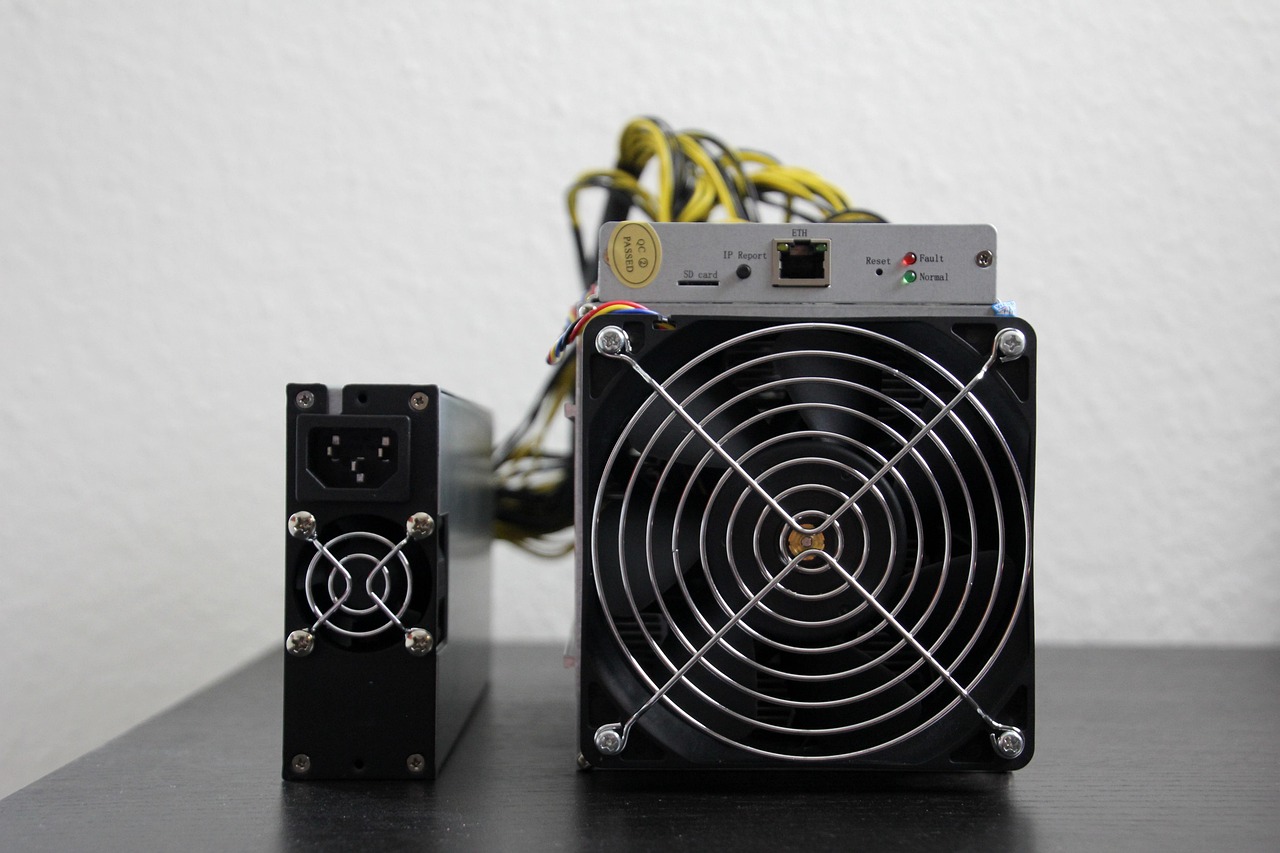
Efficiency in Bitcoin Mining
Efficiency is paramount in Bitcoin mining, as it directly impacts profitability. Miners must balance their energy consumption with the hashrate to maximize returns. The energy costs associated with mining can be substantial, making it essential for miners to optimize their operations.
As highlighted by Decrypt, the market is currently experiencing fluctuations that affect mining profitability. Miners need to stay informed about market trends and adjust their strategies accordingly.
Future of Bitcoin Mining
The future of Bitcoin mining will likely see advancements in technology aimed at improving efficiency and reducing energy consumption. Innovations in cooling systems and hardware design are expected to play a significant role in shaping the industry.
Moreover, as regulatory frameworks evolve, miners will need to adapt to new compliance requirements. Keeping abreast of changes in legislation will be crucial for long-term success in the mining sector.
Conclusion
Understanding the testing process and efficiency considerations in Bitcoin mining is essential for anyone interested in entering the field. By ensuring that miners are thoroughly tested before going live, operators can maximize their chances of success in a competitive market.
For more insights on Bitcoin mining and its intricacies, check out additional resources from Bitcoin Magazine and CoinDesk.