
Bitcoin mining is a crucial process in the cryptocurrency ecosystem, where miners validate transactions and secure the network. However, before a Bitcoin miner goes live, it undergoes rigorous testing to ensure it operates efficiently and reliably.
How Bitcoin Miners Are Tested
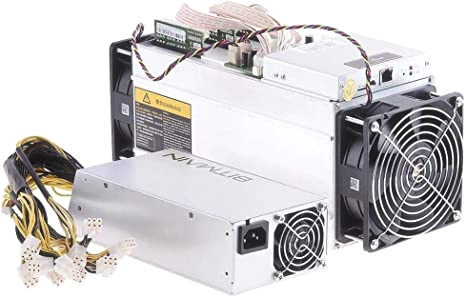
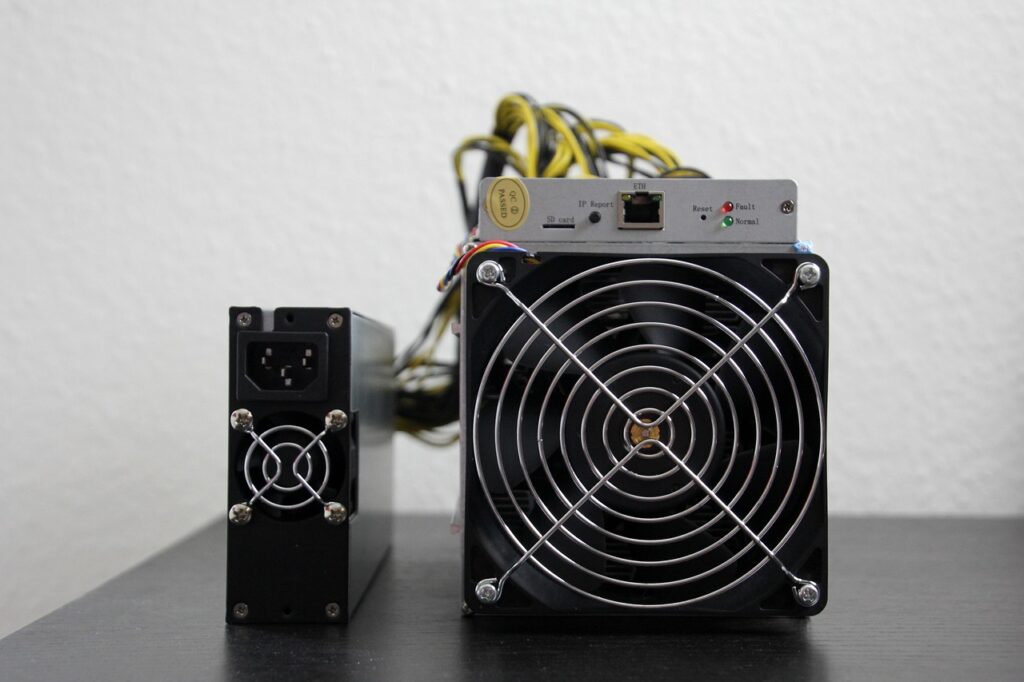
According to OneMiners, the testing process begins with unboxing the miner. This initial phase is critical as it allows technicians to inspect the hardware for any physical damage. Following this, a burn-in test is conducted, where the miner runs at full capacity for an extended period to identify any potential issues.
During the burn-in phase, the miner’s hashrate and temperature are monitored closely. The hashrate indicates the miner’s performance, while temperature checks ensure that the equipment does not overheat, which could lead to malfunctions.
Importance of Pool Checks
After the initial tests, miners are connected to mining pools. This step is essential as it allows miners to collaborate and share their computational power, increasing the chances of successfully mining Bitcoin. Pool checks verify that the miner can effectively communicate with the pool and contribute to the collective effort.
In addition to performance checks, miners are also evaluated for their energy efficiency. As energy costs represent a significant portion of mining expenses, optimizing power usage is vital for profitability. Miners that demonstrate high efficiency are more likely to succeed in the competitive landscape of Bitcoin mining.

Current Trends in Bitcoin Mining
The Bitcoin mining landscape is continually evolving. Recent reports from CoinDesk indicate fluctuations in Bitcoin prices, which directly impact mining profitability. As the price of Bitcoin experiences volatility, miners must adapt their strategies to maintain profitability.
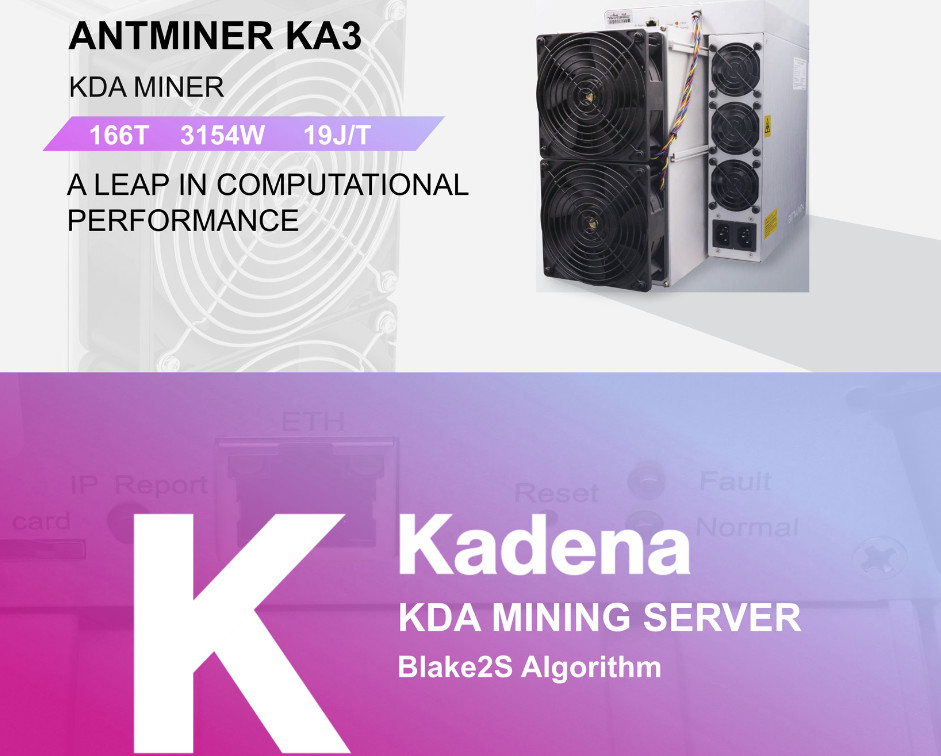
Moreover, advancements in mining technology are making it possible for miners to achieve higher efficiency rates. New ASIC miners are designed to consume less power while delivering higher hashrates, which is crucial in a market where energy costs are rising.
Challenges Facing Bitcoin Miners
Despite the advancements, Bitcoin miners face several challenges. Regulatory pressures and environmental concerns are at the forefront of discussions in the industry. Many miners are now seeking sustainable energy sources to mitigate their environmental impact.
Additionally, competition among miners is fierce. As more individuals and companies enter the market, the difficulty of mining increases, which can lead to lower profitability for existing miners. Staying informed about market trends and technological advancements is essential for miners looking to thrive.
Additional reading: Bitcoin Price Falls 14% in a Week to $65,000 as Weekend Selling Breaks Friday’s Low from Bitcoin Magazine.
Conclusion
In conclusion, the testing and efficiency of Bitcoin miners play a critical role in the overall success of mining operations. By ensuring that miners are rigorously tested before going live, operators can maximize their chances of profitability in a fluctuating market. For more insights on Bitcoin mining, check out the detailed article on OneMiners.