
Bitcoin mining is a crucial component of the cryptocurrency ecosystem, enabling transactions and securing the network. Understanding the testing processes that miners undergo before going live is essential for anyone interested in this field.
What is Bitcoin Mining?
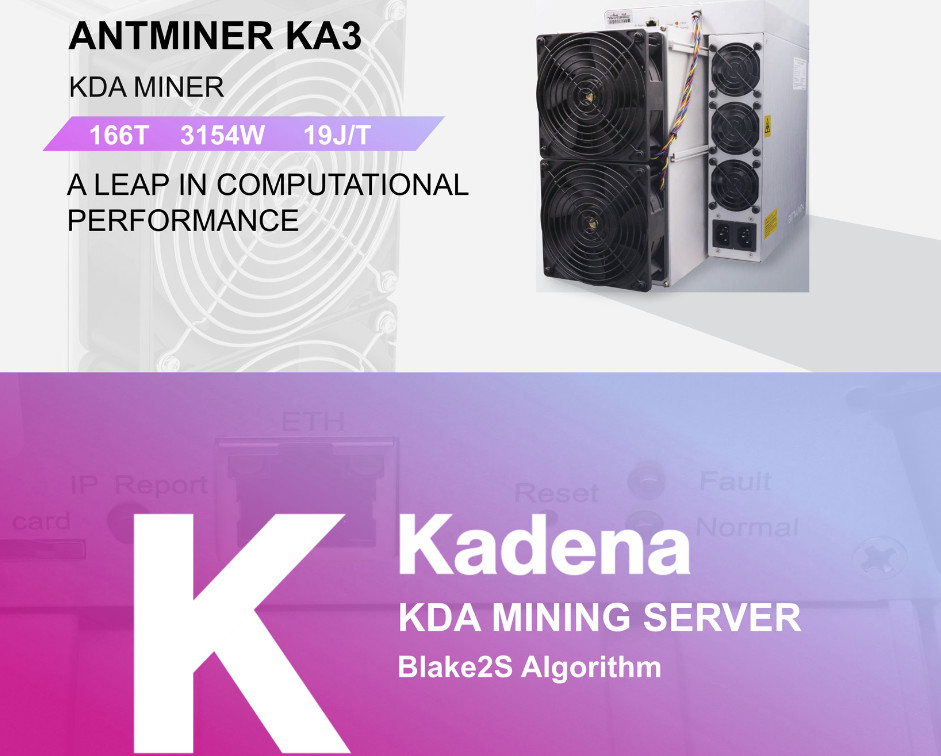
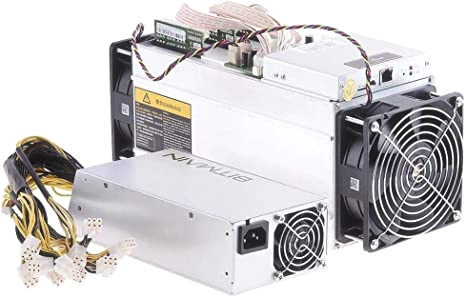
Bitcoin mining involves solving complex mathematical problems to validate transactions on the Bitcoin network. Miners use specialized hardware, known as ASICs (Application-Specific Integrated Circuits), to perform these calculations efficiently.

Testing Bitcoin Miners
Before a Bitcoin miner can start generating profits, it must undergo a series of tests to ensure it operates correctly. According to OneMiners, these tests typically include:
- Unboxing and Initial Setup: This involves checking all components for damage and ensuring proper installation.
- Burn-in Testing: Miners are run at full capacity for a specific period to identify any potential issues.
- Hashrate Verification: The miner’s performance is measured to ensure it meets manufacturer specifications.
- Temperature Checks: Monitoring the miner’s temperature helps prevent overheating and ensures longevity.
- Pool Connection Tests: Miners must connect to mining pools to maximize their chances of earning rewards.
These testing phases are critical as they help ensure that the miner will perform optimally in a live environment. Any issues identified during testing can be addressed before the miner is deployed, saving time and resources.
The Importance of Performance in Bitcoin Mining
Performance directly impacts profitability in Bitcoin mining. A miner that performs well can recover its initial investment faster and generate higher returns. As noted by CoinDesk, fluctuations in Bitcoin prices can affect mining profitability, making efficient hardware even more critical.
Additionally, the mining difficulty adjusts approximately every two weeks, meaning that miners must continually optimize their operations to remain competitive. This includes not only hardware performance but also energy efficiency, as electricity costs can significantly impact overall profitability.
Future Trends in Bitcoin Mining
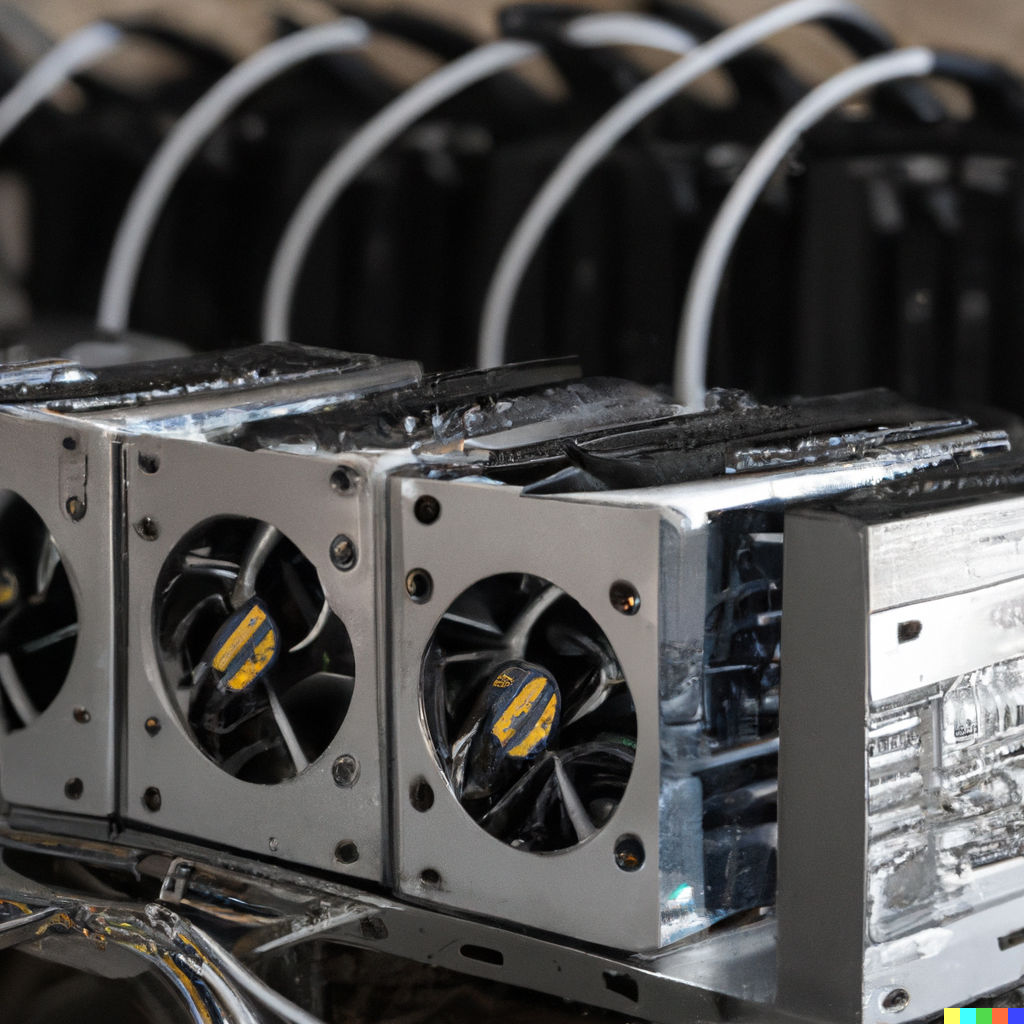
As the cryptocurrency landscape evolves, so too does Bitcoin mining. Innovations in hardware and cooling technologies are emerging to enhance efficiency. For instance, companies are exploring liquid cooling systems to manage heat more effectively, which can lead to better performance and lower energy costs.
Moreover, regulatory changes and market dynamics can influence mining operations. For example, Decrypt discusses how government regulations may affect the broader cryptocurrency market, including mining operations.
Conclusion
Understanding the testing processes and performance metrics of Bitcoin miners is essential for anyone looking to invest in or operate mining equipment. As technology advances and the market evolves, staying informed will help miners maximize their profitability and adapt to changing conditions.