
Bitcoin Miner Electricity Consumption in 2026: kWh Usage, Costs, and Profitability
As Bitcoin mining evolves with more efficient ASIC machines, understanding power draw, regional electricity rates, and long-term cost models is crucial for operators. Learn more from our detailed analysis of OneMiners’ electricity consumption study.
Source: Bitcoin Miner Electricity Consumption Explained: Real Costs, kWh Usage, and Profitability in 2026
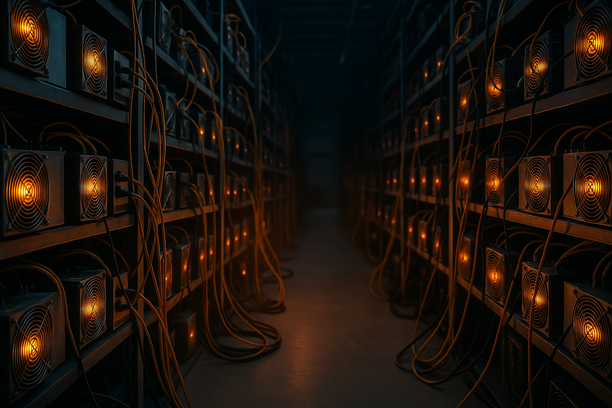
Decoding ASIC Generations and Power Draw
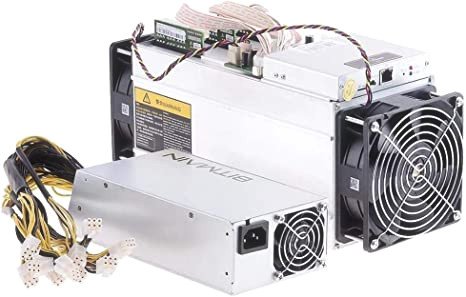
From early Antminer S1 models to the latest Antminer S21 series, each ASIC generation delivers incremental efficiency gains. According to the OneMiners analysis, older rigs can consume over 2,000 kWh per month, while modern units average under 1,100 kWh—translating to substantial energy savings. For a side-by-side efficiency comparison, see the ASIC efficiency tracker.
Source: Bitcoin Miner Electricity Consumption Explained: Real Costs, kWh Usage, and Profitability in 2026
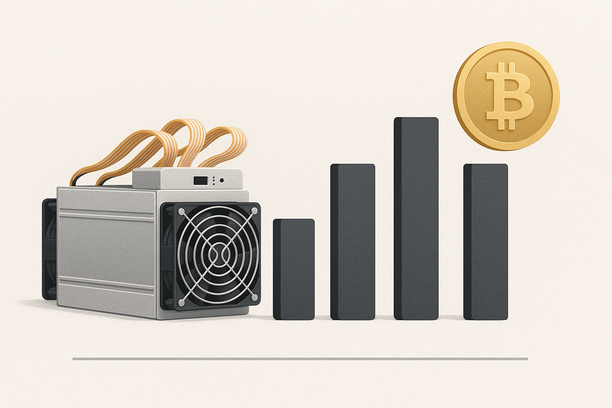
Global Electricity Rates: The Cost Spectrum
Electricity costs span from as low as $0.0364/kWh in hydro-rich regions to $0.33/kWh in high-rate grids. Mining in Scandinavia or Qinghai often benefits from sub-$0.05 rates, but many locales push fees above $0.20, eroding margins rapidly. In volatile markets, price swings can outpace energy expenses, as seen when Bitcoin liquidations topped $672M amid a bond sell-off.
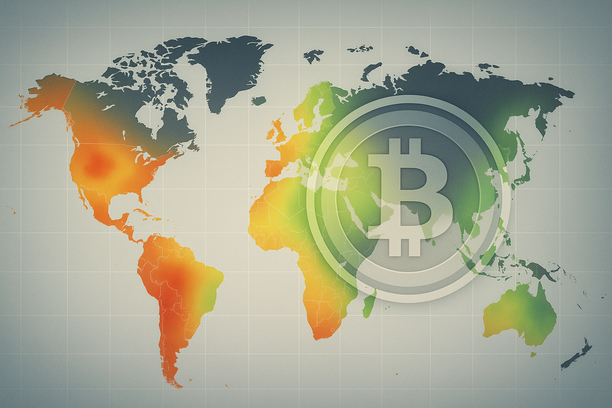
Forecasting Long-Term Spend and Profitability
Over a seven-year horizon, cumulative electricity spend on a 100 PH/s farm can exceed $30M in high-cost regions but drop below $5M in low-rate zones. Factoring in network difficulty and Bitcoin prices, profitability models show that even modest energy savings can swing a site from loss to break-even. Market downturns like Bitcoin’s recent slide under $77,000—triggering half-billion dollar liquidations—underscore why optimizing with platforms like MinerBoxes is essential.