
Bitcoin Miner Electricity Consumption: Costs, Efficiency, and Profitability in 2026
As Bitcoin mining continues to evolve, understanding the true electricity consumption and associated costs of ASIC machines has never been more critical. This deep dive examines per-unit kWh usage, contrasts global power rates, and highlights the trends driving future profitability.
Understanding Electricity Consumption in Bitcoin Mining
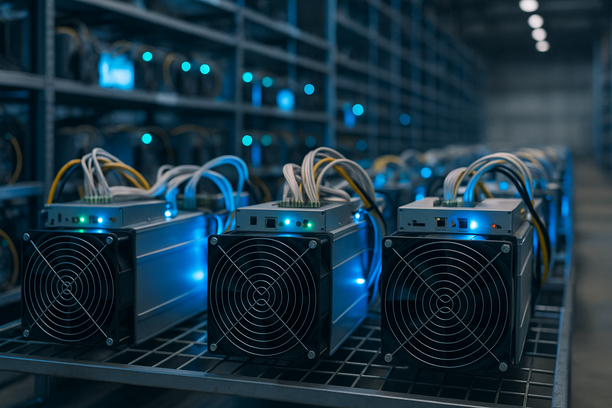
Recent analysis by OneMiners quantifies the average energy use across seven generations of ASIC miners, revealing that modern machines can range from 25 J/TH to upwards of 30 J/TH under load. These figures translate directly into monthly bills that can exceed four figures per machine in high-rate regions.
Miners looking to model their expenses can refer to the 2026 electricity consumption analysis for a detailed breakdown of per-unit kWh usage and seven-year spend projections.
Source: Bitcoin Miner Electricity Consumption Explained: Real Costs, kWh Usage, and Profitability in 2026
How Global Electricity Rates Shape Mining Costs
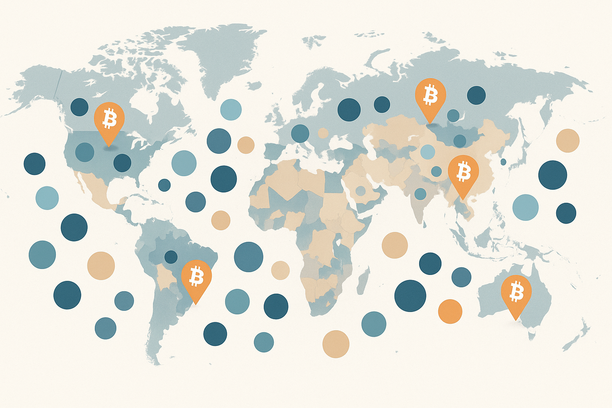
Electricity rates vary dramatically, from $0.0364/kWh in certain hydroelectric-rich regions to over $0.33/kWh in urban markets. This disparity means the cost per terahash-hour can swing by more than 800% depending on location. Strategic miners often leverage the OneMiners hosting network to balance performance with low-cost power sourcing and site redundancy.
Insight: Securing sub-$0.05/kWh power can halve operational expenses, making marginal rigs profitable even during bear markets.
Emerging Infrastructure and Efficiency Trends
Cloud-based mining services are on the rise after Turnkey’s recent $12.5M funding round supported verifiable hosting solutions. These platforms promise tighter audit controls and optimized power usage by aggregating demand in high-efficiency data centers.
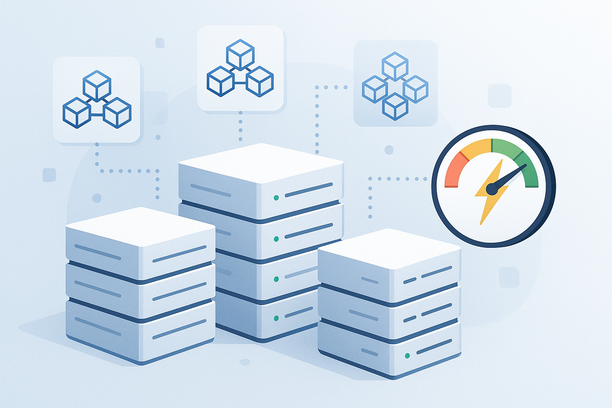
Meanwhile, Jump Crypto’s Firedancer emphasizes a gradual scaling strategy, deploying nodes in phases to monitor energy loads and performance metrics closely. This approach mirrors best practices in sustainable data center management.
Related source: Jump Crypto’s ‘Firedancer’ is taking a slow and steady approach to its long-awaited Solana infrastructure rollout
Projecting Profitability and Sustainable Mining Practices
Looking ahead to 2026, profitability hinges on more than raw hashrate. Miners must account for renewable energy sourcing, hardware efficiency gains, and long-term maintenance. Tools like ASICprofit’s cost calculator enable operators to simulate seven-year electricity expenditures against projected yields, identifying optimal deployment strategies.
As the industry matures, balancing technical innovation with environmental stewardship will be essential for maintaining Bitcoin’s decentralization and ensuring resilient network health for the next decade.