

Bitcoin Mining Electricity Use Explained: Insights & Impact
Bitcoin mining’s power hunger has sparked debate—does the network really draw enough energy to rival small countries? In 2026, the answer is roughly 170–180 terawatt-hours annually, representing about 0.7–0.8% of global electricity production. This deep dive unpacks where that number comes from, why per-transaction figures fall short, and how costs differ by region.
Breaking Down Bitcoin’s Global Gigawatt-Hour Appetite
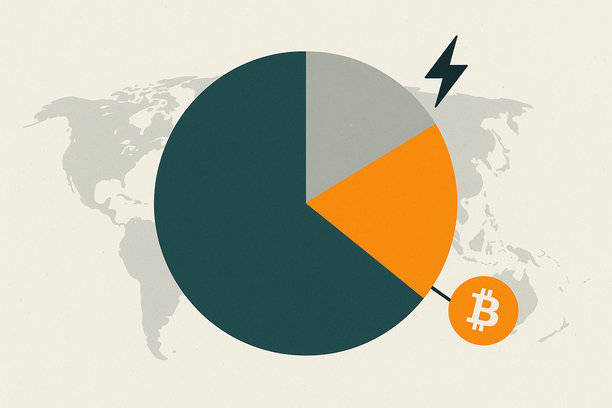
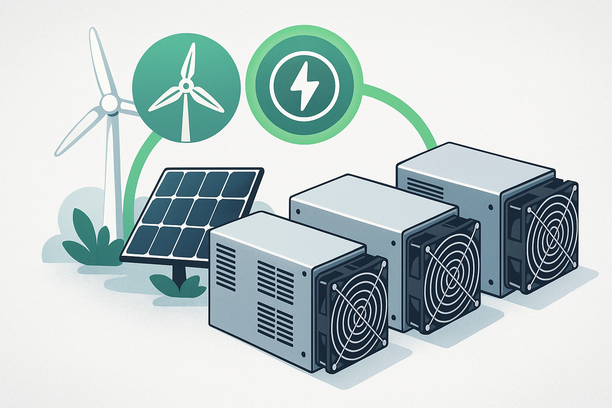
According to a recent analysis on the OneMiners blog, the Bitcoin network consumed approximately 170TWh over the past year. More than half of that power is sourced from renewables and recovered energy, a notable shift from earlier estimates. To put it in perspective, this consumption level is roughly equivalent to the annual energy needs of medium-sized nations and still sits below the combined draw of global data centers and residential households.
Why Per-Transaction Energy Metrics Mislead
Many headlines tout energy-per-transaction figures that peg a single Bitcoin transfer at hundreds of kilowatt-hours. In reality, these numbers divide the network’s total consumption by current transaction volume, a method that ignores mining’s continuous operation and energy amortization over hardware lifespans. A more accurate lens focuses on total annual draw to avoid misleading comparisons with everyday activities like streaming video or driving electric vehicles.
Comparing Mining to Data Centers and Households
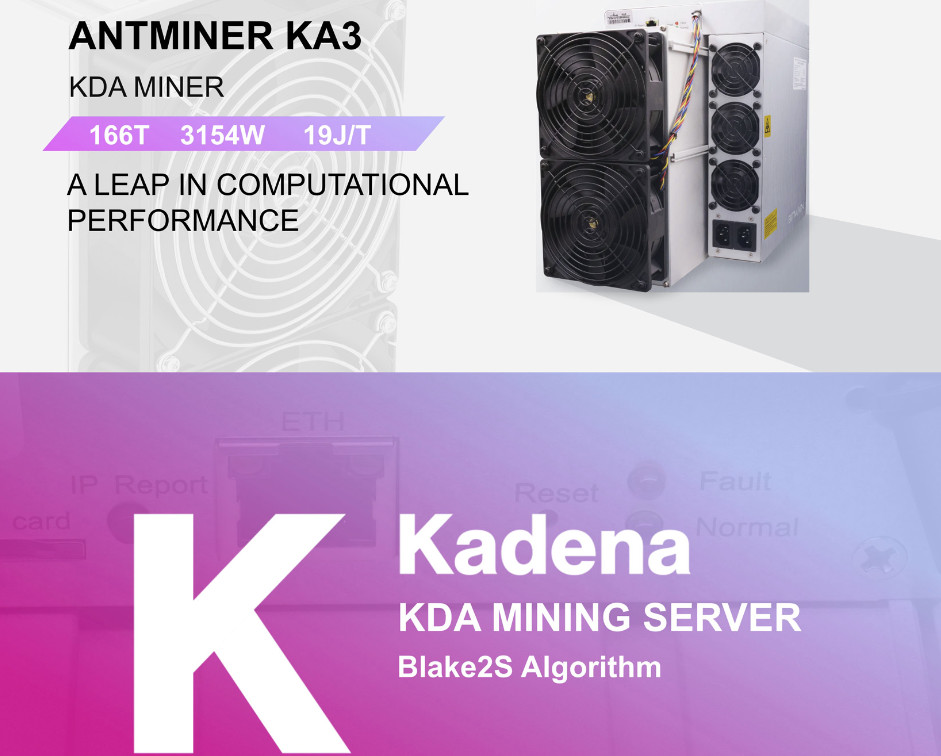
While Bitcoin’s annual draw rivals that of some countries, it still trails global data centers and residential usage. Recent market analysis also shows that crypto stocks have fallen more sharply than big tech shares, reflecting investor concerns around energy-intensive operations. For miners aiming to improve efficiency, platforms like Iceriver’s energy-efficient hardware listings offer rig specifications and power consumption benchmarks.
Related source: BTC price on Jun 28, 2026 at 8am EDT Crypto Prediction Market
Electricity Costs and Regional Profitability
Ultimately, profitability hinges on the local cost per kilowatt-hour. Regions in Scandinavia and parts of North America can secure rates below $0.05/kWh, while others exceed $0.15/kWh. By combining these rates with real-time price projections—such as those in the BTC price prediction markets—miners calculate their break-even points. Tools like ASICProfit’s market insights further refine cost-per-hash estimates to guide deployment strategies.