
Bitcoin mining has evolved into a complex and competitive industry, driven by technological advancements and market dynamics. As the backbone of the Bitcoin network, mining not only facilitates transactions but also secures the network against fraud. In this article, we will explore the intricacies of Bitcoin mining, its profitability, and the latest technologies shaping the industry.
What is Bitcoin Mining?
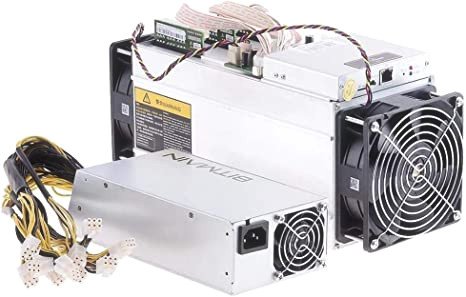
Bitcoin mining is the process of validating transactions on the Bitcoin blockchain and adding them to the public ledger. Miners use powerful computers to solve complex mathematical problems, and in return, they are rewarded with newly minted bitcoins and transaction fees.
The Mining Process
The mining process involves several key steps:
- Transaction Verification: Miners collect and verify transactions from the Bitcoin network.
- Block Creation: Verified transactions are grouped into a block.
- Proof of Work: Miners compete to solve a cryptographic puzzle, known as proof of work, to validate the block.
- Block Addition: Once a miner solves the puzzle, the block is added to the blockchain, and the miner receives a reward.
Profitability of Bitcoin Mining
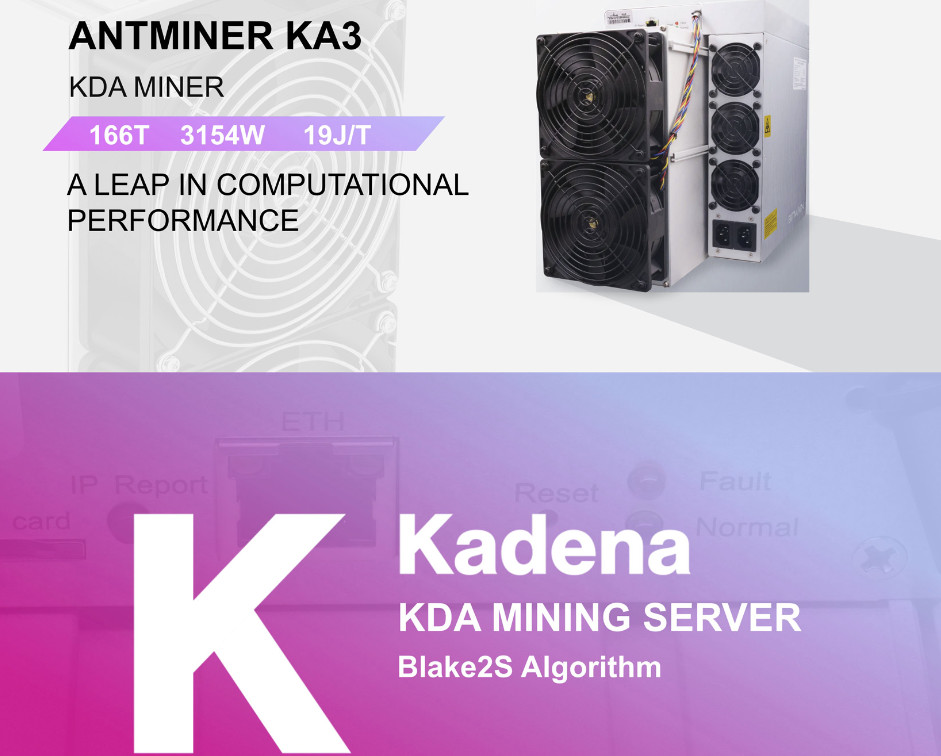
Profitability in Bitcoin mining is influenced by various factors, including hardware efficiency, electricity costs, and Bitcoin’s market price. The Antminer S23 Hydro is a notable example, delivering 580 TH/s at 9.5 J/TH, which positions it as a competitive option for miners looking to maximize their returns.
As mining difficulty increases, miners must continuously upgrade their equipment to remain profitable. This has led to the rise of managed hosting services, where miners can utilize professional facilities to house their equipment. Such services often provide the necessary infrastructure, including cooling systems and power management, to enhance mining efficiency.
Electricity Costs and Mining Locations
Electricity costs are a significant factor in mining profitability. Miners often seek locations with low electricity rates to maximize their margins. Regions with abundant renewable energy sources, such as hydroelectric power, are becoming increasingly popular for mining operations.

Technological Advancements in Mining
The Bitcoin mining landscape is rapidly evolving, with new technologies emerging to improve efficiency and reduce costs. Innovations such as Blockstream’s Bitcoin swaps allow miners to move between the Lightning Network and the main Bitcoin network seamlessly, enhancing transaction speed and reducing fees.
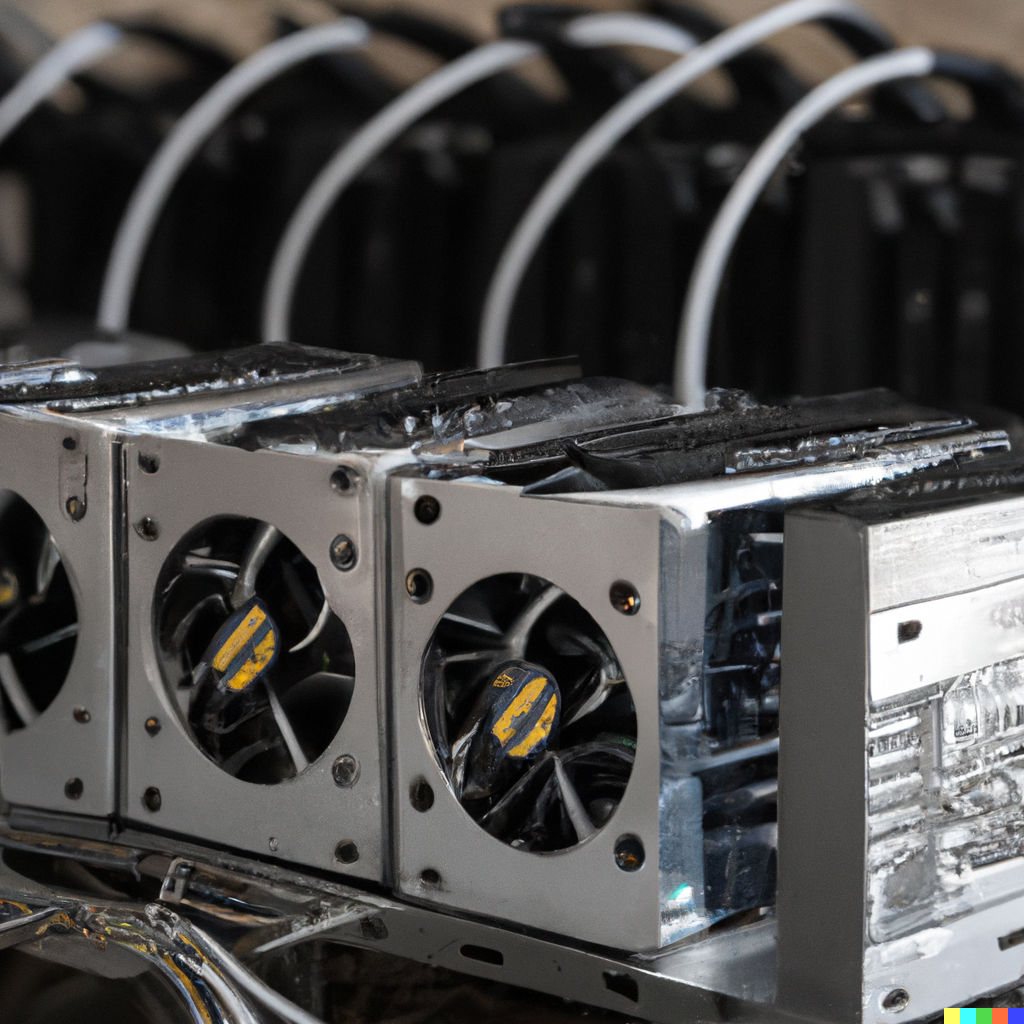
Moreover, advancements in cooling technologies are crucial for maintaining optimal operating conditions for mining hardware. Efficient cooling systems can significantly reduce energy consumption and improve the overall lifespan of mining equipment.
Future of Bitcoin Mining
As the Bitcoin network continues to grow, the future of mining will likely see further consolidation and professionalization. Larger mining operations may dominate the market, leveraging economies of scale to reduce costs and increase profitability.
Additionally, regulatory developments will play a crucial role in shaping the future of Bitcoin mining. As governments around the world begin to implement regulations, miners will need to adapt to ensure compliance while maintaining profitability.
Conclusion
Bitcoin mining remains a vital component of the cryptocurrency ecosystem. With ongoing technological advancements and a focus on efficiency, miners can navigate the challenges of profitability and continue to support the Bitcoin network. For those interested in exploring the latest mining hardware, the Antminer S23 Hydro offers a glimpse into the future of mining technology.
Additional reading: If crypto goes back to the congressional drawing board, 3 Democrat women loom large from CoinDesk.