

Bitcoin mining is a crucial process that ensures the integrity and security of the Bitcoin network. It involves solving complex mathematical problems to validate transactions and add them to the blockchain. As the cryptocurrency landscape evolves, understanding the technology and profitability of Bitcoin mining becomes essential for both enthusiasts and investors.
What is Bitcoin Mining?
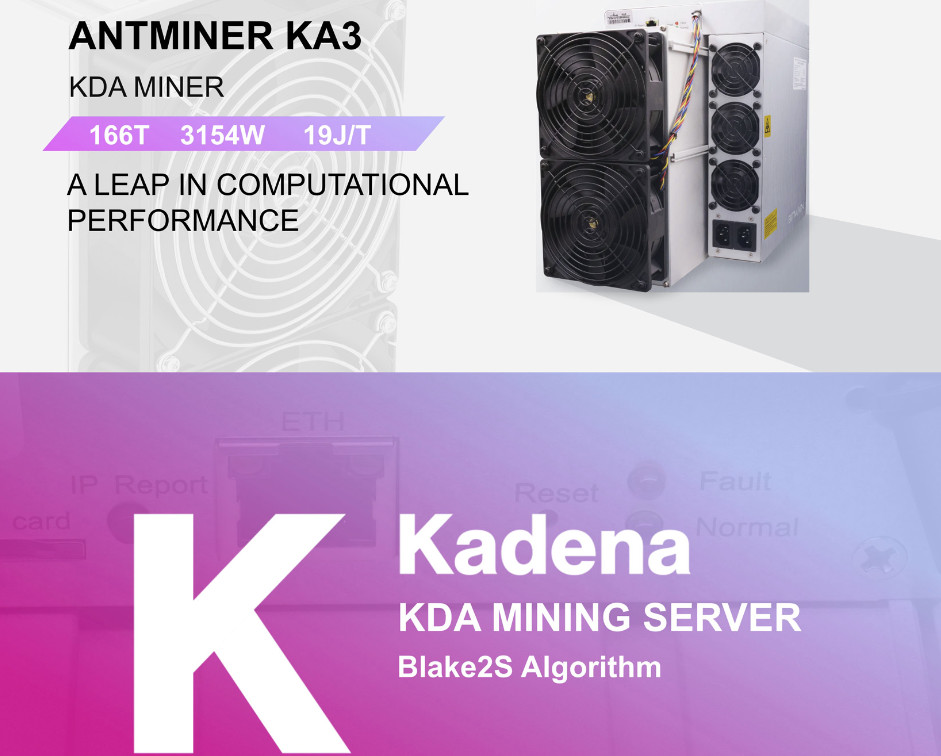
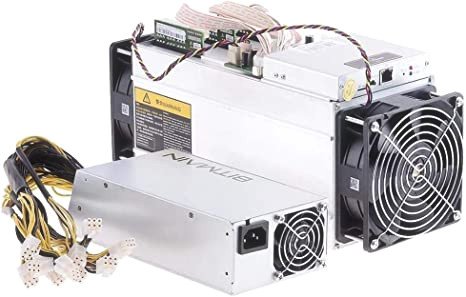
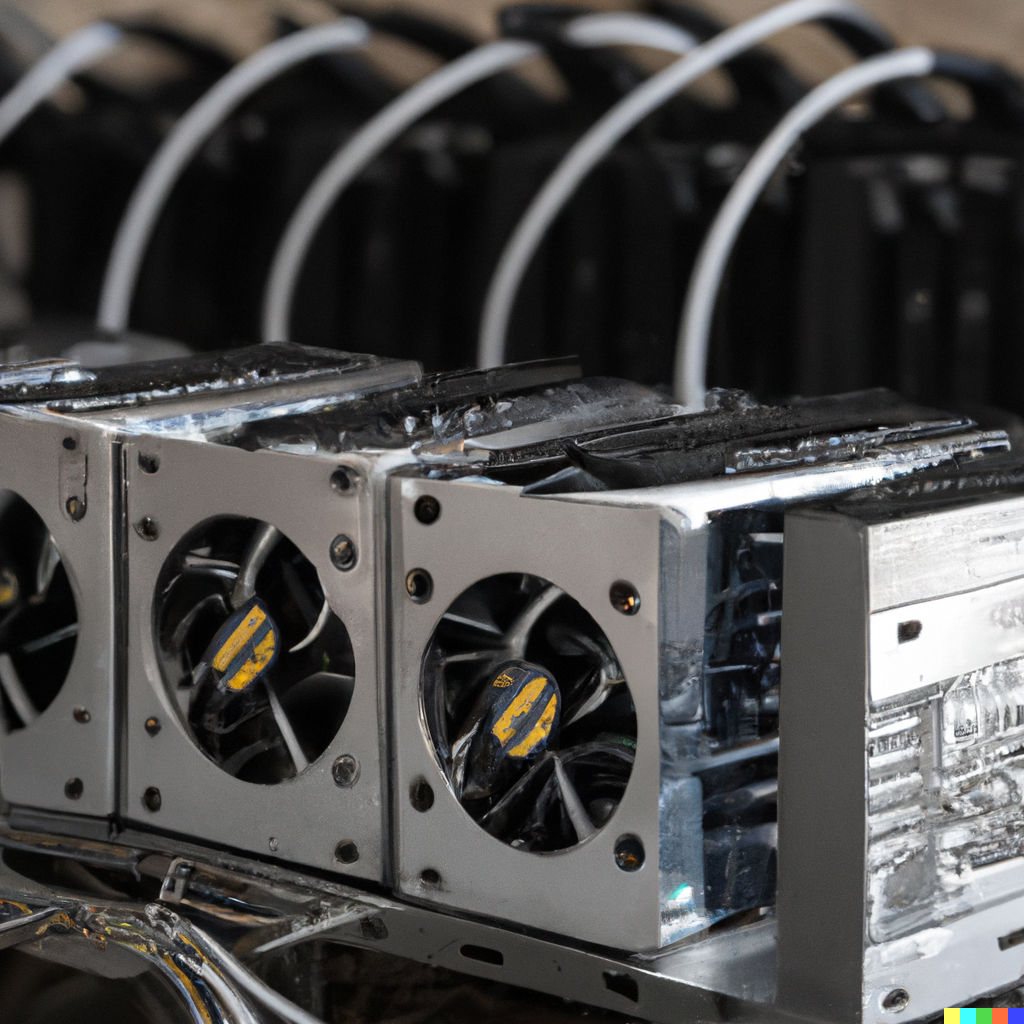
At its core, Bitcoin mining is the process by which new bitcoins are created and transactions are verified. Miners use powerful computers, known as ASIC (Application-Specific Integrated Circuit) miners, to compete in solving cryptographic puzzles. The first miner to solve the puzzle gets to add a new block to the blockchain and is rewarded with bitcoins.
How Does Mining Work?
Mining involves several steps:
- Transaction Verification: Miners collect transactions from the Bitcoin network and verify their authenticity.
- Block Creation: Verified transactions are grouped into a block.
- Solving the Puzzle: Miners compete to solve a cryptographic puzzle associated with the block.
- Adding to the Blockchain: The first miner to solve the puzzle broadcasts the solution to the network, and if verified, the block is added to the blockchain.

Profitability of Bitcoin Mining
The profitability of Bitcoin mining depends on various factors, including:
- Mining Hardware: The efficiency of the mining equipment plays a significant role. For instance, the Antminer S23 Hydro offers 580 TH/s at 9.5 J/TH, making it one of the most efficient miners available.
- Electricity Costs: Mining consumes a substantial amount of electricity, and the cost of power can significantly impact profitability.
- Bitcoin Price: The market price of Bitcoin fluctuates, affecting the value of mining rewards.
According to a recent review, the Antminer S23 Hydro is expected to be a game-changer in mining profitability due to its advanced cooling technology and efficiency.
Future Trends in Bitcoin Mining
As the Bitcoin network grows, so does the competition among miners. Future trends may include:
- Increased Efficiency: New technologies are being developed to enhance mining efficiency and reduce energy consumption.
- Regulatory Changes: Governments are beginning to take a closer look at cryptocurrency mining, which could lead to new regulations impacting the industry.
- Environmental Concerns: The energy consumption of Bitcoin mining has raised environmental concerns, prompting discussions about sustainable practices.
For more insights on the current state of Bitcoin and its market dynamics, check out this article from CoinDesk.
Additional reading: Regulators To Push Pro-Crypto Initiatives Following Clarity Act Delay from Bitcoin Magazine.
Conclusion
Bitcoin mining is a complex yet fascinating process that plays a vital role in the cryptocurrency ecosystem. Understanding the technology, profitability, and future trends can help miners and investors make informed decisions. As the industry continues to evolve, staying updated with the latest developments is crucial for success.