
Bitcoin mining is a crucial component of the Bitcoin network, serving both as a method for transaction verification and as a means to introduce new bitcoins into circulation. As the cryptocurrency landscape evolves, understanding the intricacies of Bitcoin mining becomes essential for investors and enthusiasts alike.
What is Bitcoin Mining?
At its core, Bitcoin mining involves solving complex mathematical problems to validate transactions on the Bitcoin blockchain. Miners use powerful computers, known as ASIC miners, to compete in this process. The first miner to solve the problem gets to add a new block to the blockchain and is rewarded with newly minted bitcoins.
The Role of ASIC Miners
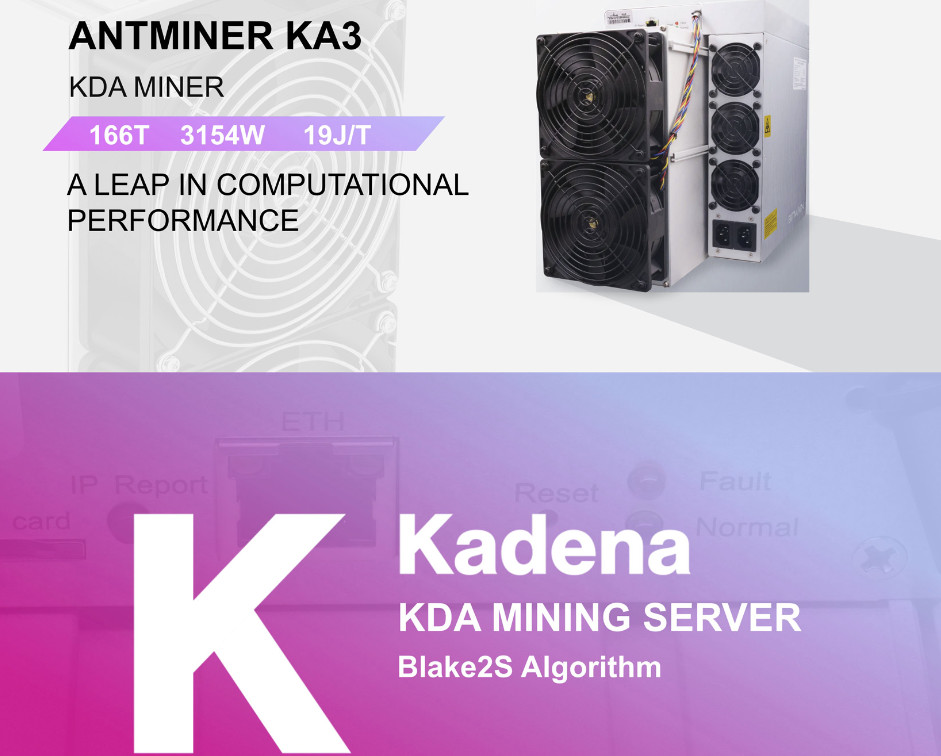
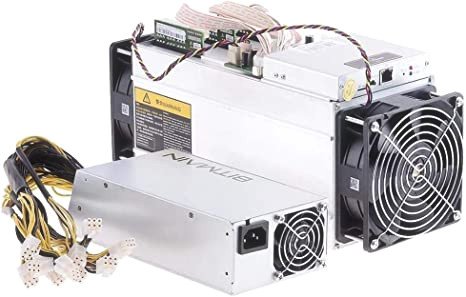
ASIC (Application-Specific Integrated Circuit) miners are specialized hardware designed specifically for mining cryptocurrencies. Their efficiency and speed make them the preferred choice for serious miners. Unlike general-purpose hardware, ASIC miners can perform the necessary calculations at a much faster rate, significantly increasing the chances of earning rewards.
The Impact of Bitcoin Mining on the Market
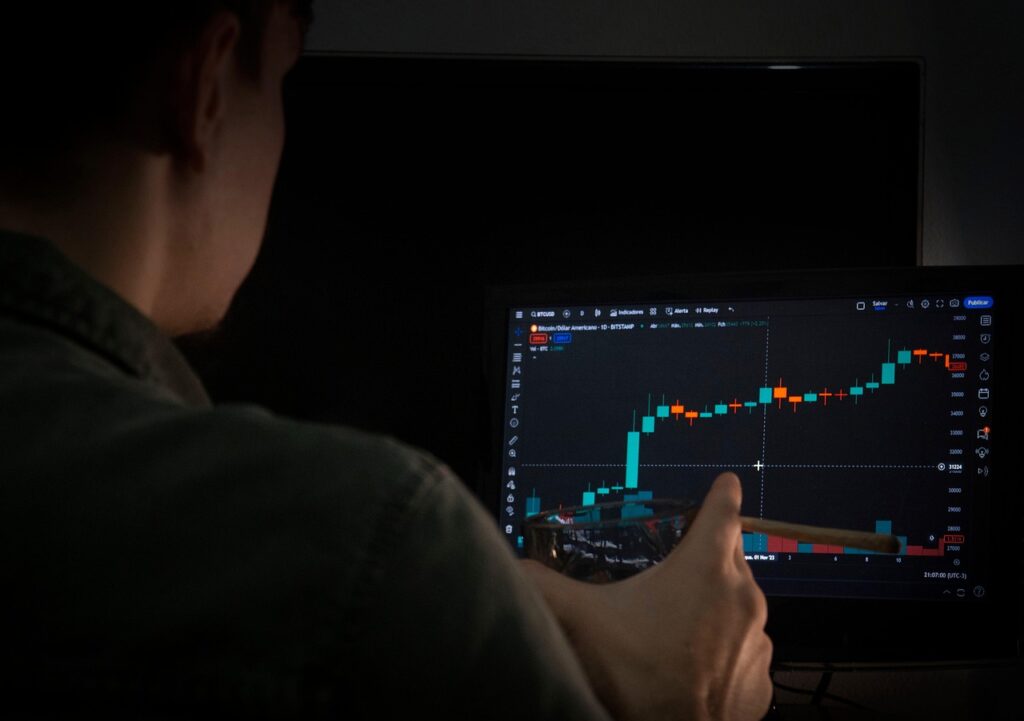
Bitcoin mining has a profound impact on the cryptocurrency market. As miners validate transactions and secure the network, they contribute to the overall stability and trustworthiness of Bitcoin. Recent trends indicate a surge in Bitcoin’s price, with the cryptocurrency briefly hitting $70,000 for the first time since June 2026, driven by various market catalysts (CoinDesk).
Environmental Concerns
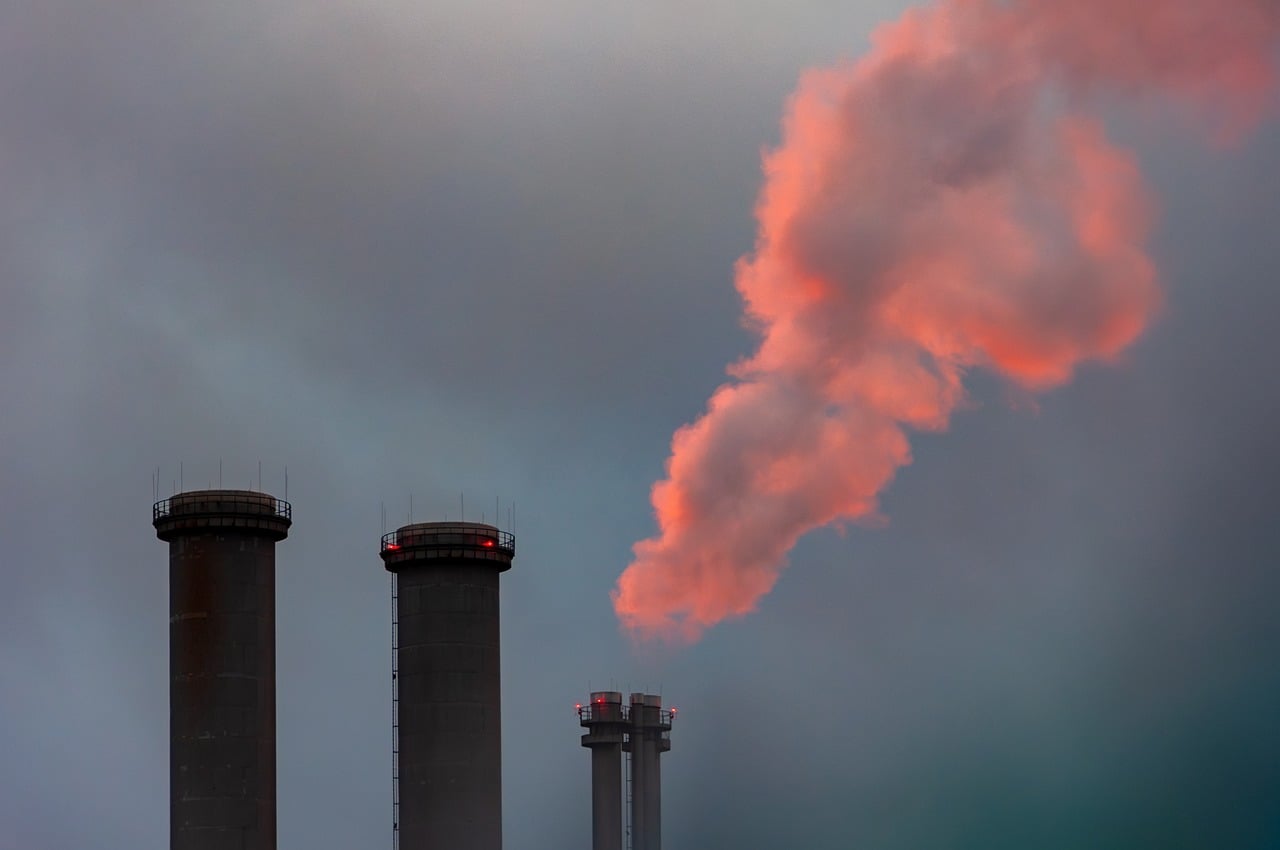
Despite its benefits, Bitcoin mining has faced criticism due to its environmental impact. The energy consumption required for mining operations has raised concerns among environmentalists and regulators. As the industry grows, there is a push for more sustainable practices, including the use of renewable energy sources.
Technological Advancements in Mining
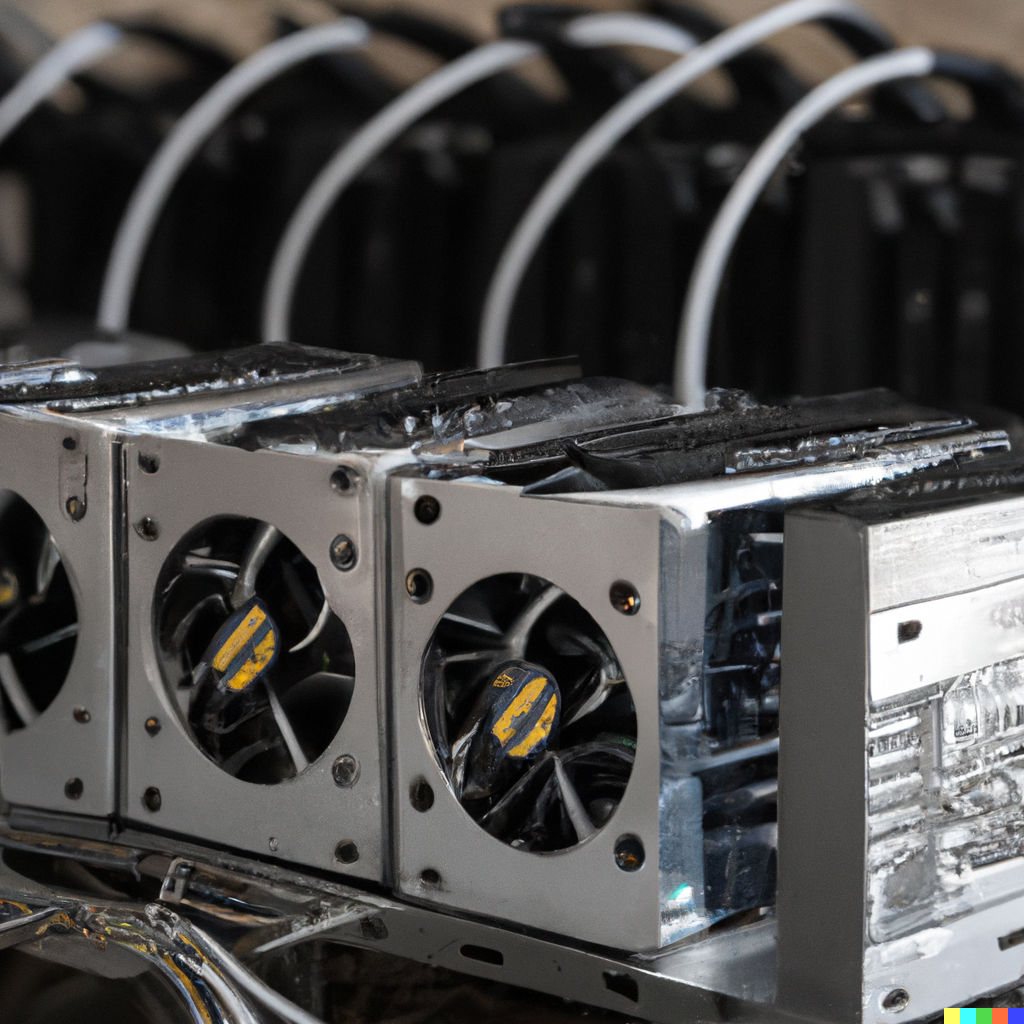
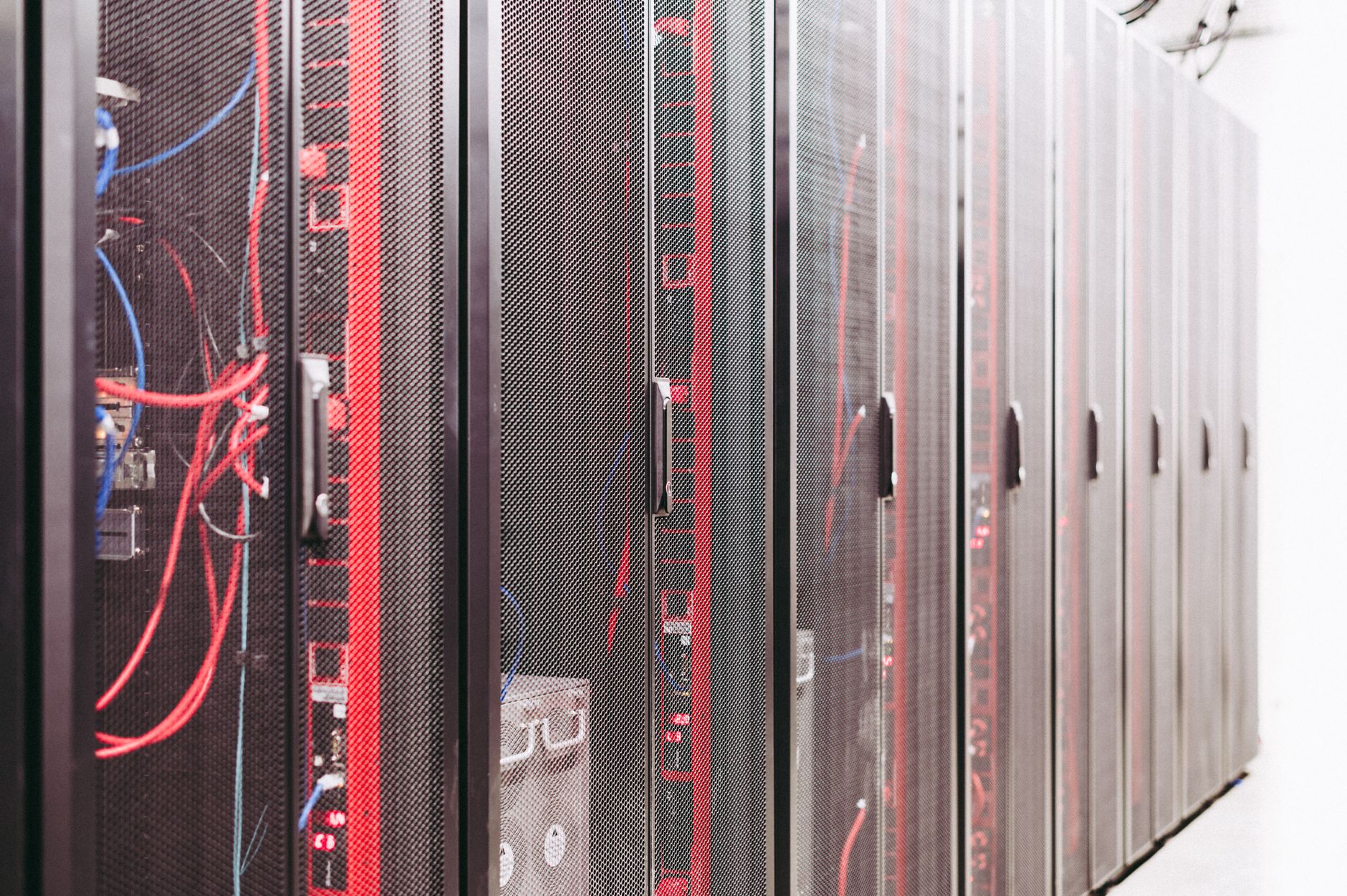
Technological innovations continue to shape the Bitcoin mining landscape. Newer models of ASIC miners are being developed to improve efficiency and reduce energy consumption. Additionally, advancements in cooling systems and power infrastructure are essential for maintaining optimal mining conditions.
Future of Bitcoin Mining
The future of Bitcoin mining is closely tied to regulatory developments and market dynamics. Recent discussions in the U.S. Senate regarding the CLARITY Act aim to provide clearer regulations for the cryptocurrency market, which could influence mining operations significantly (Bitcoin Magazine).
Conclusion
As Bitcoin mining continues to evolve, staying informed about the latest trends and technologies is crucial for anyone involved in the cryptocurrency space. The balance between profitability and sustainability will be a key focus moving forward. For more insights on Bitcoin and its ecosystem, check out the OneMiners article.