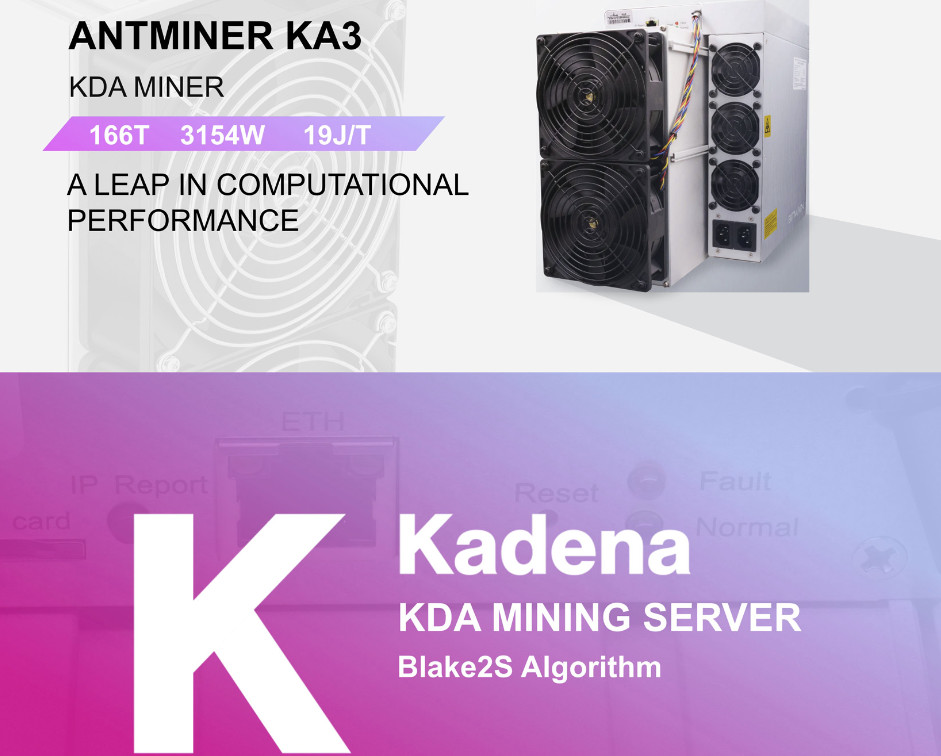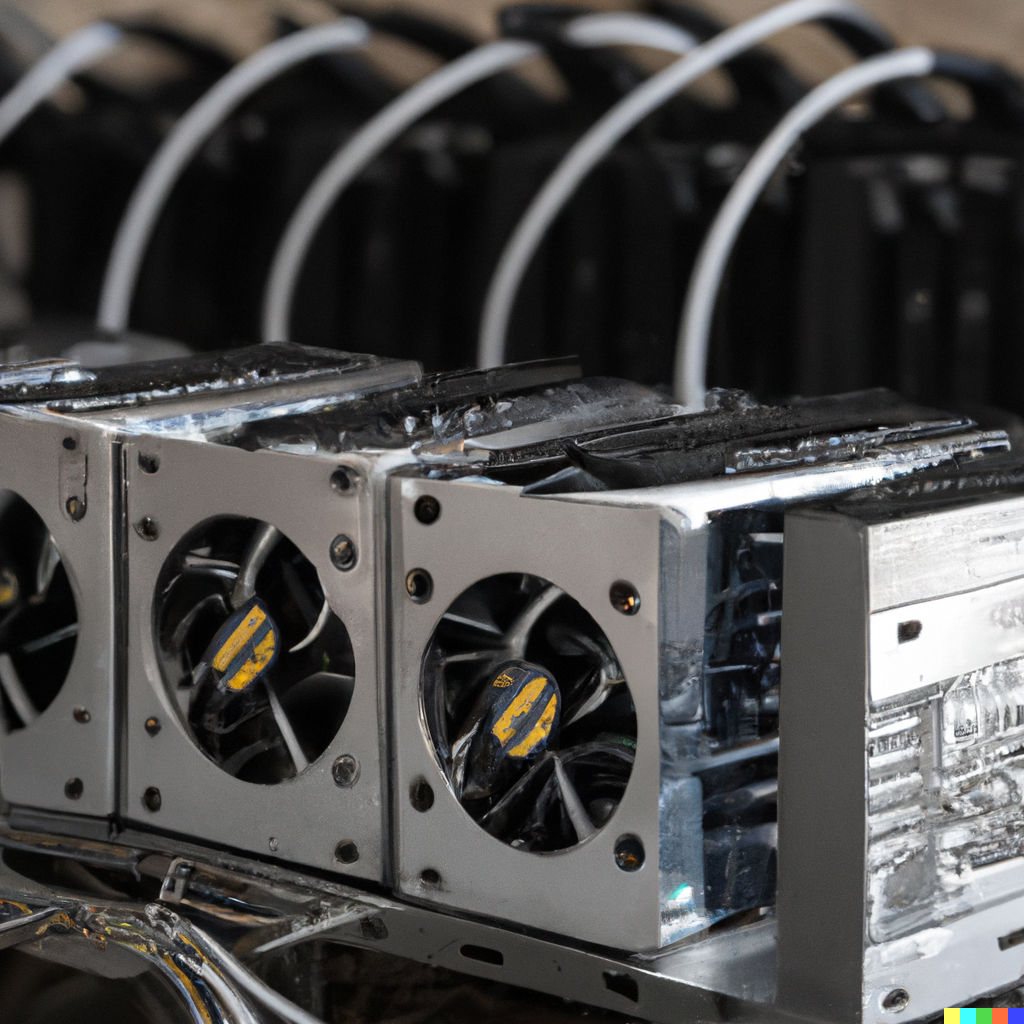


Bitcoin mining is a crucial process that underpins the entire Bitcoin network. It involves solving complex mathematical problems to validate transactions and secure the network. This article will delve into how Bitcoin mining works, its significance, and the challenges it faces.
What is Bitcoin Mining?
At its core, Bitcoin mining is the process of adding transaction records to Bitcoin’s public ledger, known as the blockchain. Miners use powerful computers to solve cryptographic puzzles, and in return, they are rewarded with newly minted bitcoins and transaction fees.
The Mining Process
The mining process can be broken down into several steps:
- Transaction Verification: Miners collect transactions from the Bitcoin network and verify their authenticity.
- Block Creation: Verified transactions are grouped into a block.
- Hashing: Miners compete to find a hash that meets the network’s difficulty target.
- Block Addition: Once a miner finds the correct hash, the block is added to the blockchain.
- Reward Distribution: The miner receives a reward, which currently consists of newly created bitcoins and transaction fees.
For a detailed explanation of this process, refer to the article on OneMiners.
The Importance of Bitcoin Mining
Bitcoin mining serves several essential functions:
- Network Security: Mining secures the Bitcoin network by making it costly to attack.
- Transaction Processing: It ensures that transactions are processed and confirmed in a timely manner.
- New Bitcoin Creation: Mining is the only way to create new bitcoins, which is capped at 21 million.
The significance of mining extends beyond just the technical aspects; it also influences the economic landscape of cryptocurrencies. For instance, recent movements of large amounts of Bitcoin by the U.S. government have sparked discussions about market stability and security, as noted in a CoinDesk article.
Challenges Facing Bitcoin Miners
Despite its importance, Bitcoin mining faces several challenges:
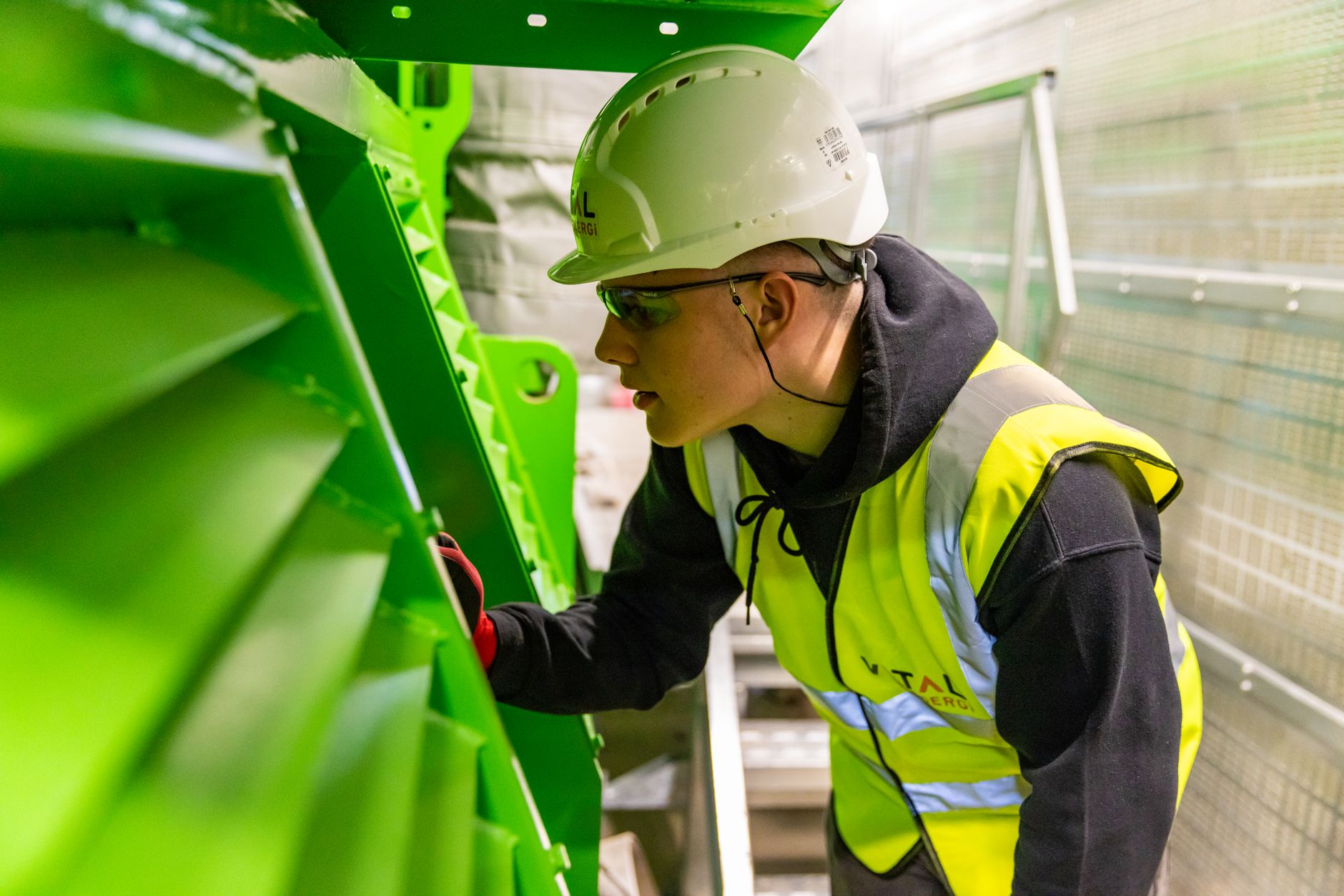
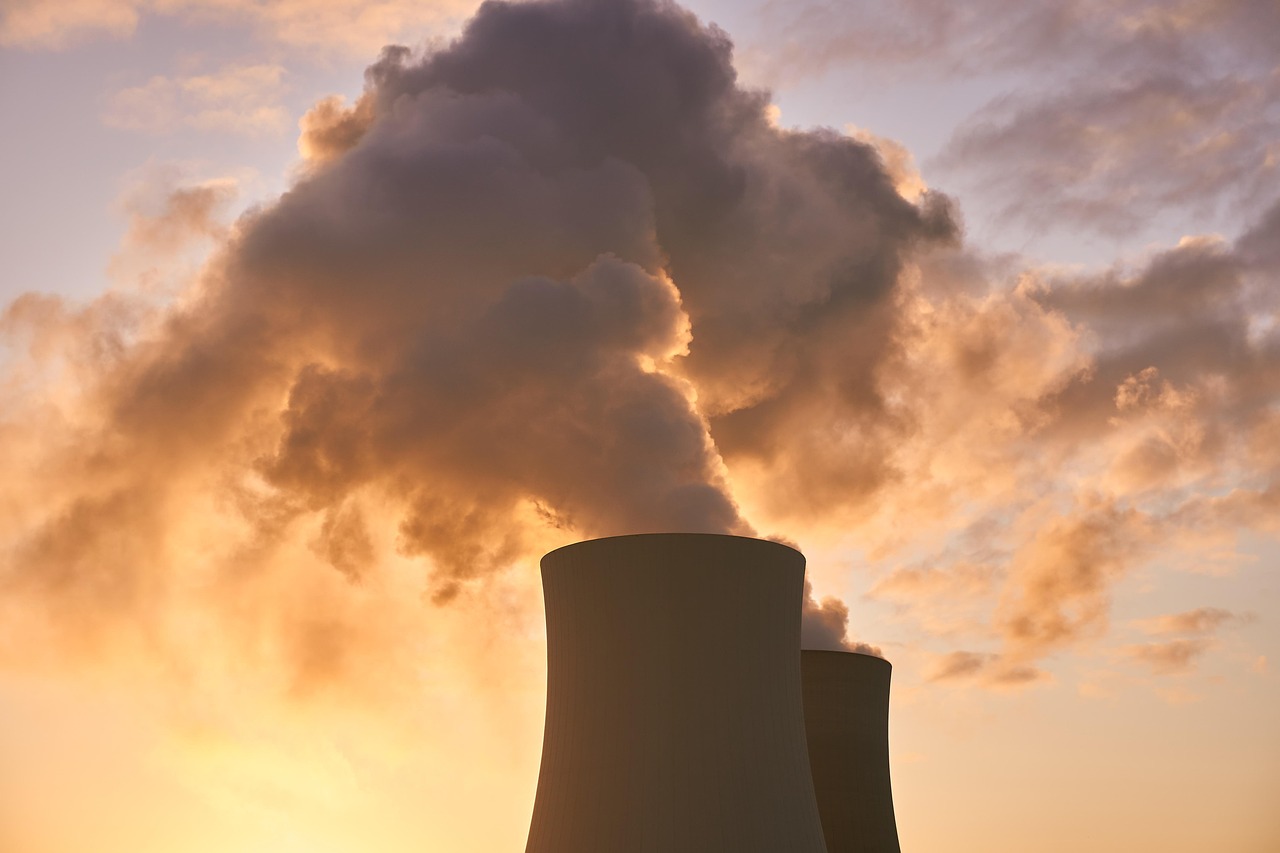
- Energy Consumption: Mining requires significant energy, leading to environmental concerns.
- Regulatory Scrutiny: Governments are increasingly looking at the energy use and legality of mining operations.
- Market Volatility: The profitability of mining can fluctuate based on Bitcoin’s price and mining difficulty.
For instance, the EU has recently mandated that crypto platforms must comply with new regulations, which could impact mining operations across Europe, as discussed in another CoinDesk article.
Additional reading: Standard Chartered to Offer Digital Asset Custody in Singapore from Bitcoin Magazine.
Conclusion
Bitcoin mining is a complex yet vital aspect of the cryptocurrency ecosystem. Understanding its processes, significance, and challenges can provide valuable insights for anyone interested in the world of digital currencies. As the landscape continues to evolve, staying informed about regulatory changes and technological advancements will be crucial for miners and investors alike.