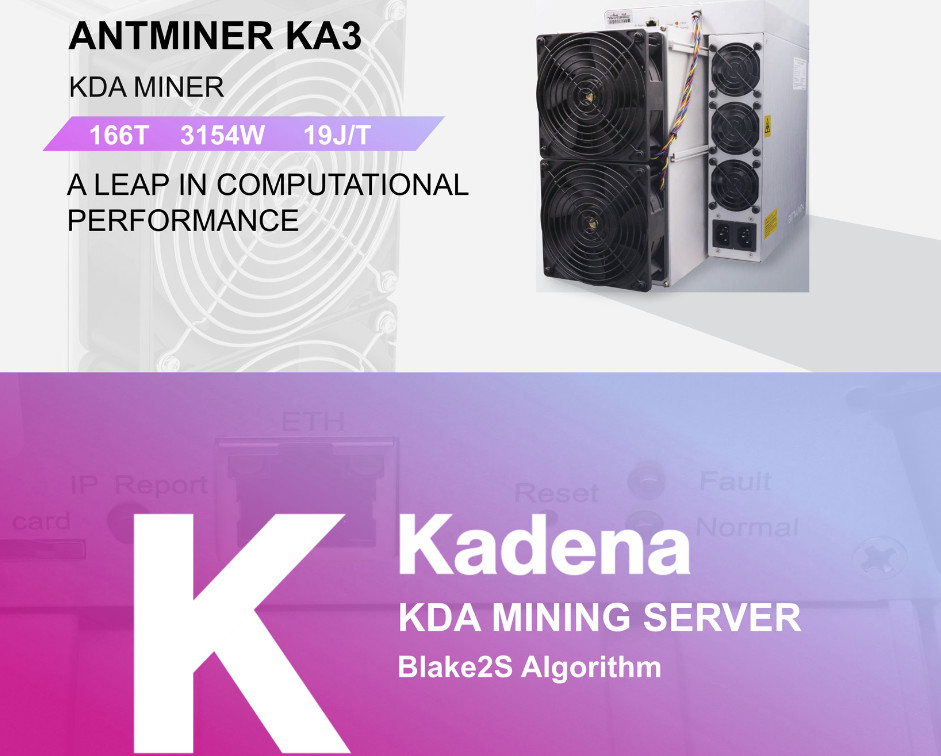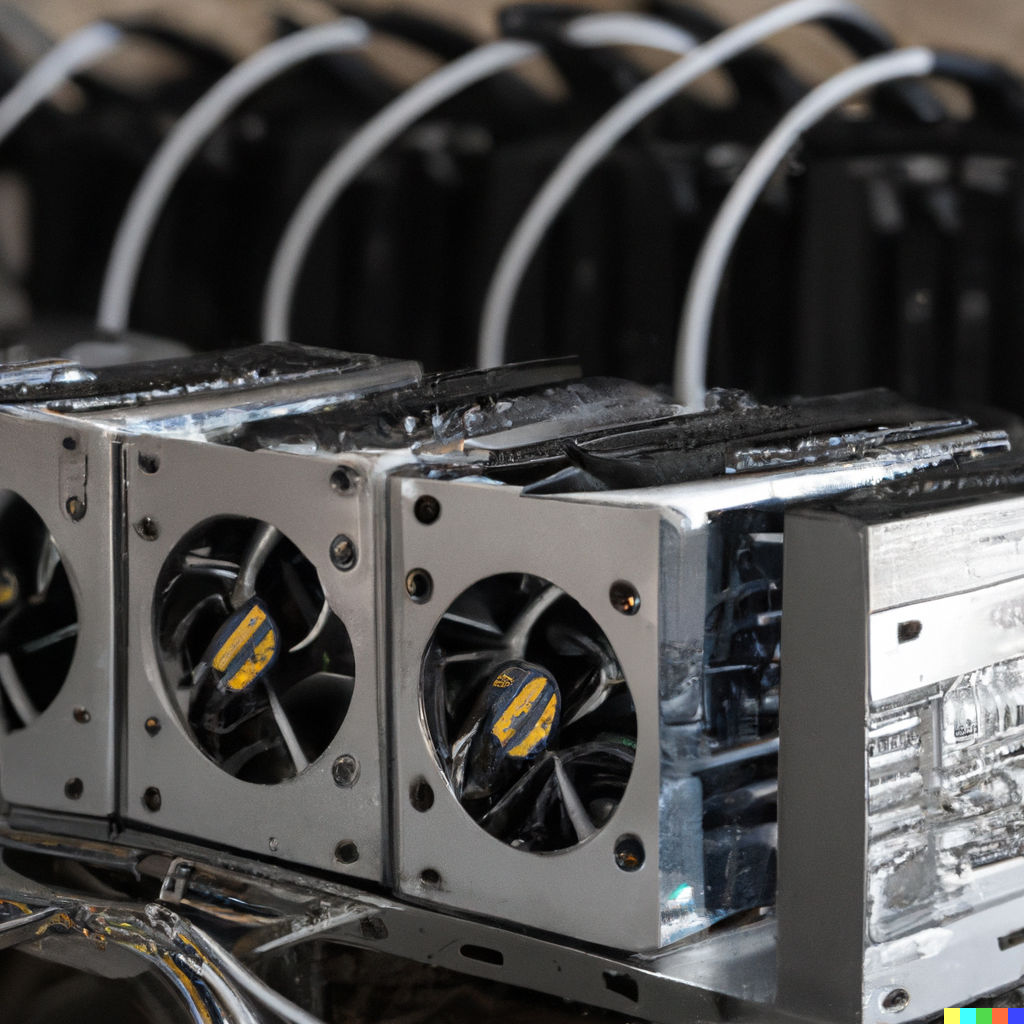

Bitcoin mining has evolved significantly since its inception, becoming a complex and competitive industry. As more miners enter the space, understanding the underlying dynamics is crucial for anyone interested in cryptocurrency.
What is Bitcoin Mining?
At its core, Bitcoin mining is the process of validating transactions on the Bitcoin network and adding them to the blockchain. Miners use powerful computers to solve complex mathematical problems, which in turn secures the network and issues new bitcoins. This process is essential for maintaining the integrity and security of the cryptocurrency.
The Importance of Halvings
One of the most significant events in Bitcoin mining is the halving, which occurs approximately every four years. During a halving, the reward for mining new blocks is cut in half, impacting miners’ profitability. According to a recent article from OneMiners, the halvings in 2012, 2016, and 2020 have shown distinct patterns in miner behavior and market dynamics.
These events not only affect the supply of new bitcoins but also influence the hashrate and overall mining difficulty. As the reward decreases, only the most efficient miners can remain profitable, leading to a shake-out of less efficient operations.

Current Trends in Bitcoin Mining
As of late 2026, Bitcoin is facing various pressures, including market fluctuations and regulatory scrutiny. For instance, a recent report from CoinDesk highlighted that Bitcoin hit a four-month low, which could impact mining profitability.
Moreover, energy consumption remains a hot topic in the mining community. Miners are increasingly seeking sustainable energy sources to power their operations. Discussions around energy efficiency were prominent at a recent gathering in El Salvador, where Bitcoiners discussed the future of mining in relation to energy generation and immigration policies, as reported by Bitcoin Magazine.
Challenges Facing Miners
Despite the opportunities, Bitcoin miners face several challenges:
- Regulatory Changes: Governments worldwide are increasingly scrutinizing cryptocurrency operations, which could lead to stricter regulations.
- Market Volatility: Fluctuations in Bitcoin prices can significantly impact mining profitability.
- Energy Costs: The cost of electricity is a major factor in mining operations, and rising energy prices can threaten profitability.
As the market evolves, miners must adapt to these challenges to remain competitive.
Conclusion
Bitcoin mining is a dynamic field influenced by technological advancements, market conditions, and regulatory environments. Understanding these factors is essential for anyone looking to engage in or invest in Bitcoin mining. As the industry continues to evolve, staying informed will be key to navigating its complexities.