

Bitcoin mining is a crucial process that underpins the Bitcoin network, ensuring transactions are verified and added to the blockchain. This article delves into the mechanics of Bitcoin mining, the challenges miners face, and the future of this essential activity.
What is Bitcoin Mining?
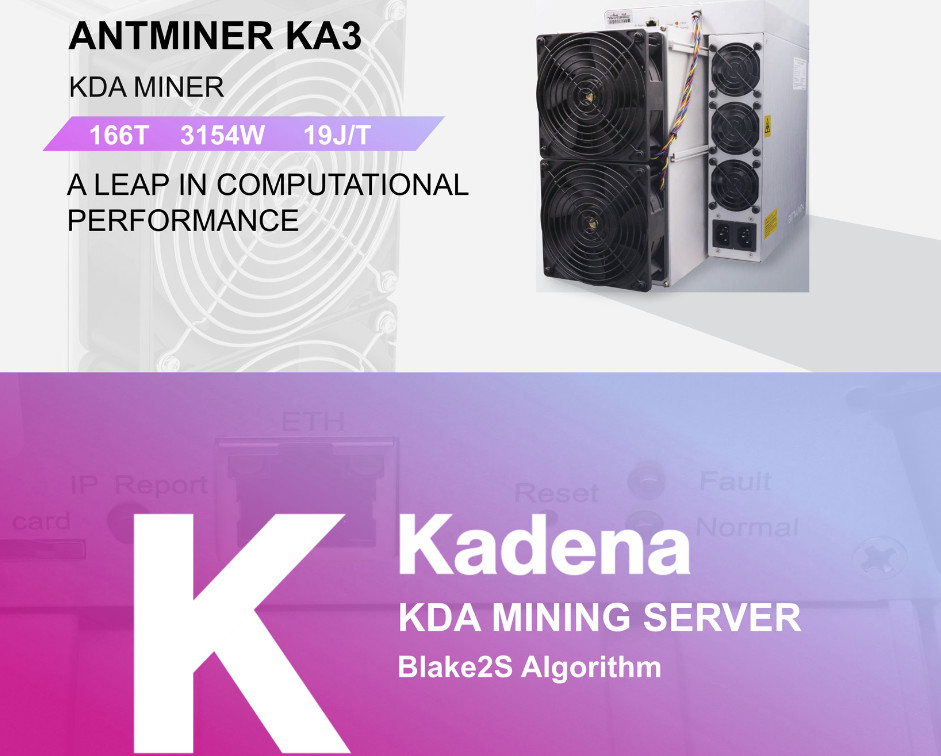
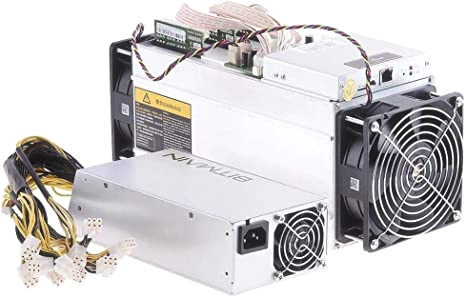
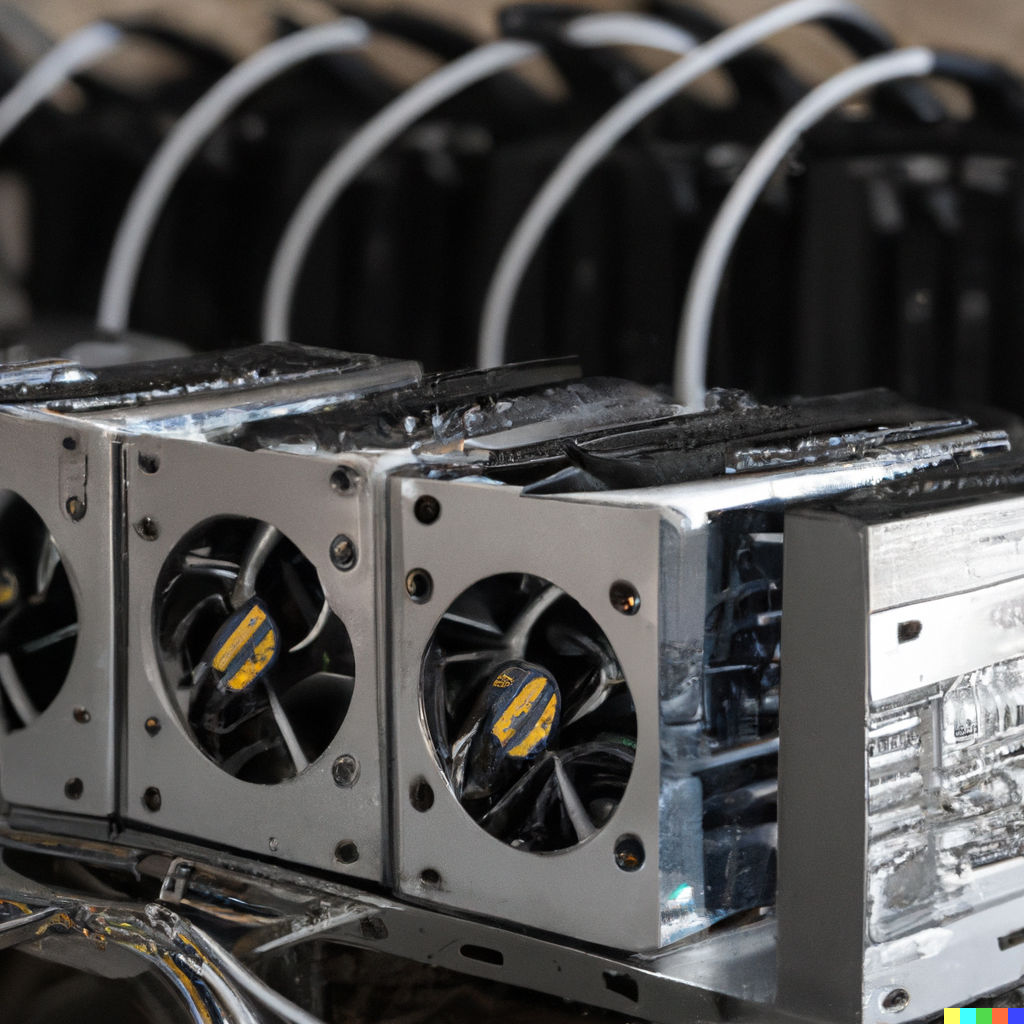
At its core, Bitcoin mining involves solving complex mathematical problems to validate transactions on the Bitcoin network. Miners use powerful computers, known as ASICs (Application-Specific Integrated Circuits), to perform these calculations. When a miner successfully solves a problem, they add a new block to the blockchain and are rewarded with newly minted bitcoins.
The Mining Process
The mining process can be broken down into several key steps:
- Transaction Verification: Miners collect pending transactions from the Bitcoin network and verify their authenticity.
- Block Creation: Verified transactions are grouped into a block.
- Proof of Work: Miners compete to solve a cryptographic puzzle. The first to solve it gets to add the block to the blockchain.
- Reward Distribution: The successful miner receives a block reward, which currently stands at 6.25 bitcoins, along with transaction fees from the transactions included in the block.
Challenges Faced by Bitcoin Miners
Despite its profitability, Bitcoin mining comes with significant challenges:
- High Energy Consumption: Mining requires substantial electricity, leading to concerns about its environmental impact. According to CoinDesk, the energy demands of mining operations are a growing concern.
- Hardware Costs: The initial investment in mining hardware can be substantial, with ASIC miners costing thousands of dollars.
- Market Volatility: Bitcoin’s price fluctuations can significantly impact mining profitability. For instance, recent market trends have shown Bitcoin bouncing back above $60,000 after a significant liquidation wave, as reported by CoinDesk.
The Future of Bitcoin Mining
The future of Bitcoin mining is influenced by several factors, including technological advancements and regulatory changes. As quantum computing technology progresses, it poses potential challenges to Bitcoin’s security. Experts warn that while quantum computers cannot currently break Bitcoin’s encryption, the need for upgrades is imminent (Decrypt).
Moreover, the increasing focus on sustainable energy sources for mining operations is likely to shape the industry’s future. Miners are exploring renewable energy options to mitigate environmental concerns and reduce operational costs.
Additional reading: Tracy Schuchart: Bitcoin Trading “Like a Risk Asset” as Fed Hikes Loom from Bitcoin Magazine.
Conclusion
Bitcoin mining remains a vital component of the cryptocurrency ecosystem. While it faces challenges such as high energy consumption and market volatility, the ongoing evolution of technology and a shift towards sustainability may pave the way for a more efficient and environmentally friendly mining landscape. For more insights, check out the detailed article on OneMiners.