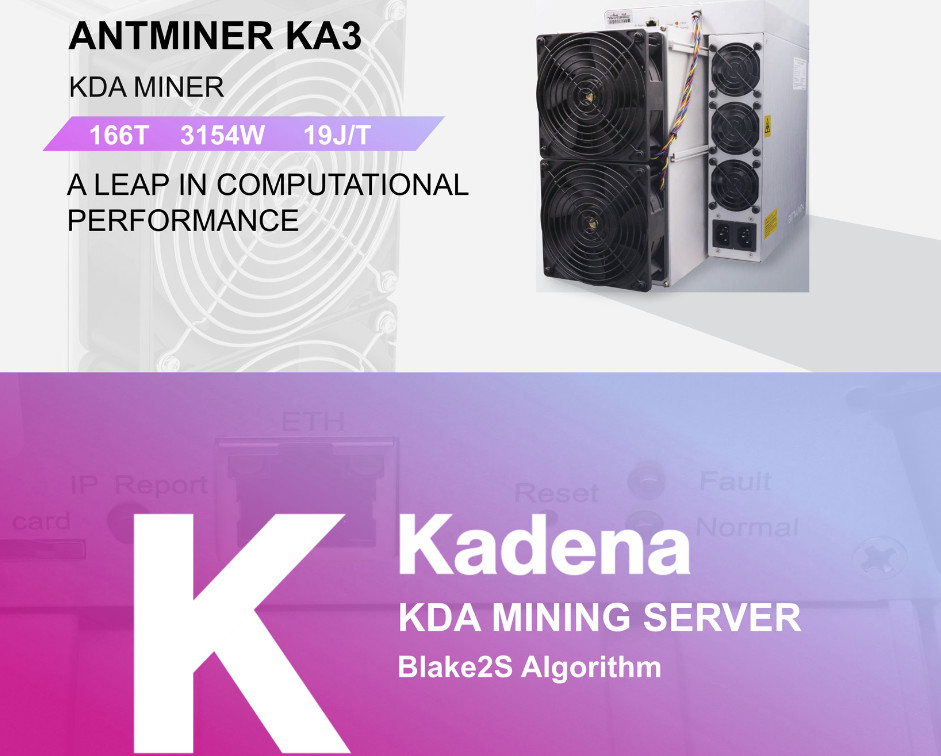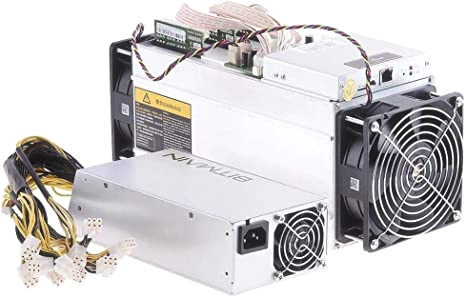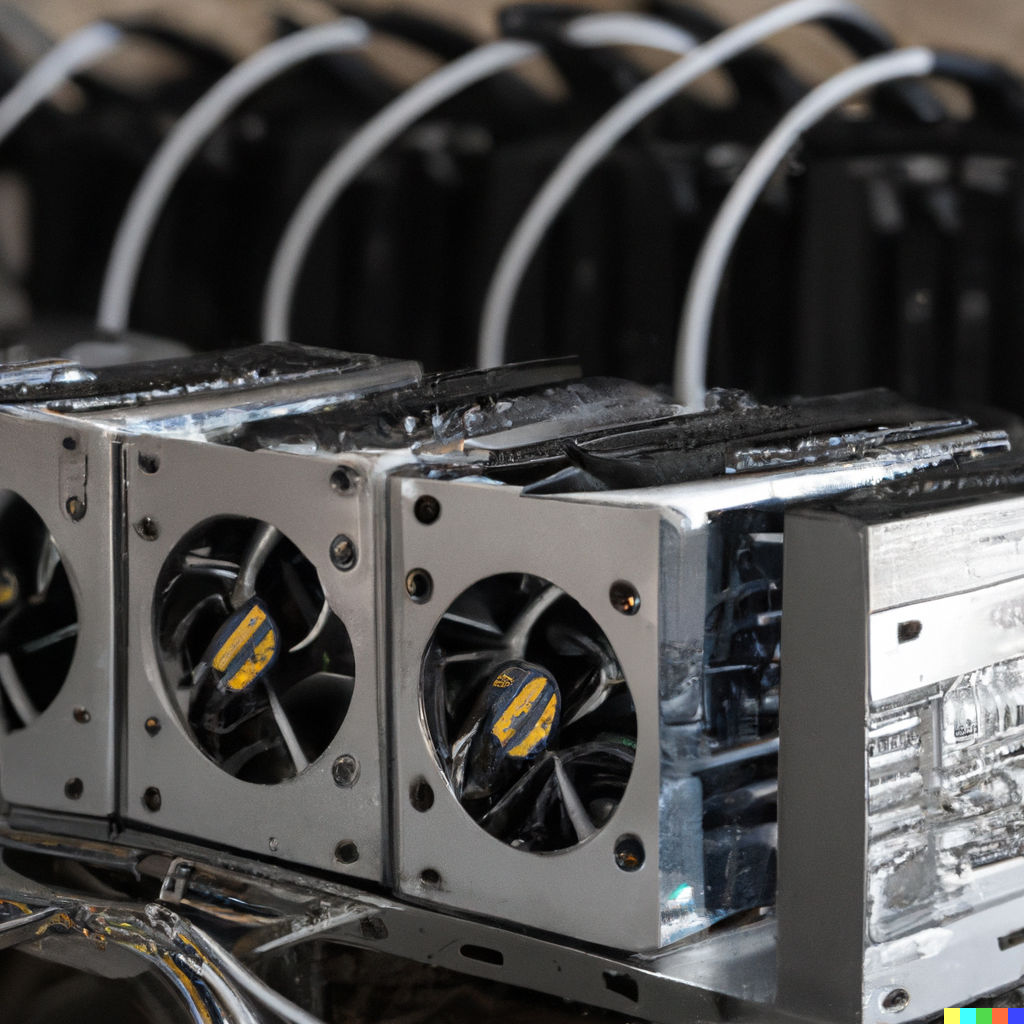


Bitcoin mining is a crucial process that ensures the security and integrity of the Bitcoin network. It involves solving complex mathematical problems to validate transactions and add them to the blockchain. As the popularity of Bitcoin continues to grow, understanding the intricacies of mining becomes increasingly important.
What is Bitcoin Mining?
At its core, Bitcoin mining is the process by which new bitcoins are created and transactions are verified. Miners use powerful computers to solve cryptographic puzzles, and in return, they are rewarded with newly minted bitcoins. This process not only creates new coins but also secures the network by preventing double-spending.
The Mining Process
The mining process can be broken down into several key steps:
- Transaction Verification: Miners collect transactions from the Bitcoin network and verify their authenticity.
- Hashing: Miners use hashing algorithms to create a unique hash for each block of transactions.
- Block Creation: Once a miner successfully hashes a block, it is added to the blockchain.
- Reward: The miner receives a reward in the form of bitcoins for their efforts.
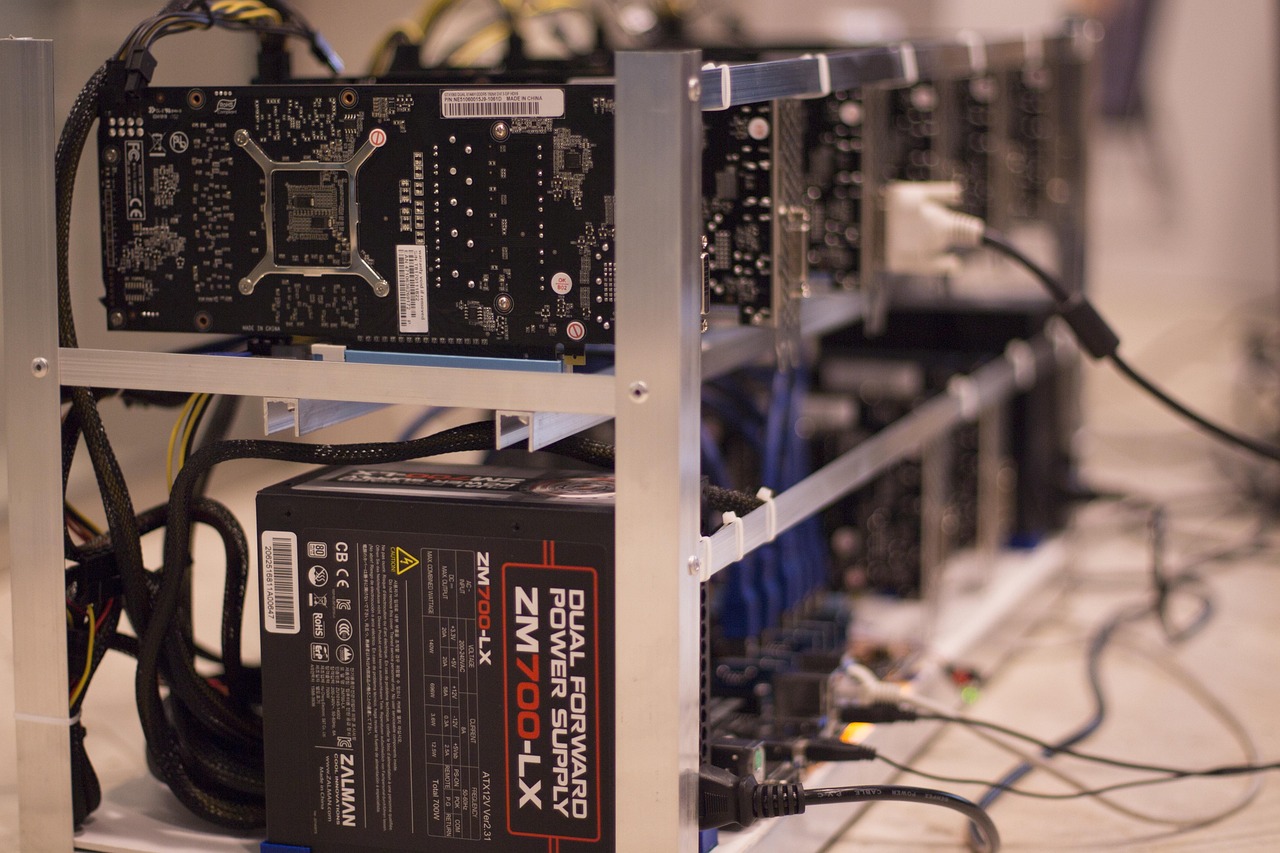
Challenges in Bitcoin Mining
While Bitcoin mining can be lucrative, it is not without its challenges. Here are some of the most significant hurdles miners face:
- High Energy Consumption: Mining requires substantial amounts of electricity, leading to high operational costs.
- Increasing Difficulty: As more miners join the network, the difficulty of solving puzzles increases, requiring more powerful hardware.
- Regulatory Issues: Governments around the world are beginning to scrutinize mining operations, which could impact profitability.
According to a recent article from CoinDesk, the energy consumption of Bitcoin mining has raised concerns about its environmental impact. Miners are exploring renewable energy sources to mitigate these issues.
Future Trends in Bitcoin Mining
The future of Bitcoin mining is likely to be shaped by several trends:
- Technological Advancements: Innovations in mining hardware and software will continue to improve efficiency.
- Regulatory Developments: As regulations evolve, miners may need to adapt their strategies to remain compliant.
- Environmental Considerations: There is a growing push for sustainable mining practices, which could influence the industry significantly.
For a deeper understanding of mining technologies, check out the article on OneMiners, which explains how different mining algorithms work.
Additional reading: Tracy Schuchart: Bitcoin Trading “Like a Risk Asset” as Fed Hikes Loom from Bitcoin Magazine.

Conclusion
Bitcoin mining is a complex yet fascinating aspect of the cryptocurrency ecosystem. As the industry evolves, staying informed about the challenges and trends will be essential for miners and investors alike. Understanding these dynamics can help navigate the future of Bitcoin mining effectively.