
Bitcoin mining is a crucial process that underpins the entire Bitcoin network. It involves solving complex mathematical problems to validate transactions and secure the blockchain. As the cryptocurrency landscape evolves, understanding the intricacies of Bitcoin mining becomes increasingly important.
What is Bitcoin Mining?
At its core, Bitcoin mining is the process by which new bitcoins are created and transactions are verified on the Bitcoin network. Miners use powerful computers to solve cryptographic puzzles, which helps maintain the integrity of the blockchain. Each time a puzzle is solved, a new block is added to the blockchain, and the miner is rewarded with newly minted bitcoins.
The Mining Process
The mining process can be broken down into several key steps:
- Transaction Verification: Miners collect pending transactions from the network and verify their authenticity.
- Block Creation: Verified transactions are grouped into a block, which is then added to the blockchain.
- Proof of Work: Miners compete to solve a complex mathematical problem associated with the block. The first miner to solve it gets to add the block to the blockchain.
- Reward Distribution: The successful miner receives a reward in the form of newly created bitcoins and transaction fees from the transactions included in the block.

Challenges in Bitcoin Mining
Despite its importance, Bitcoin mining faces several challenges:
- Energy Consumption: Bitcoin mining is notorious for its high energy consumption, raising environmental concerns. Miners require significant amounts of electricity to power their operations, leading to debates about sustainability.
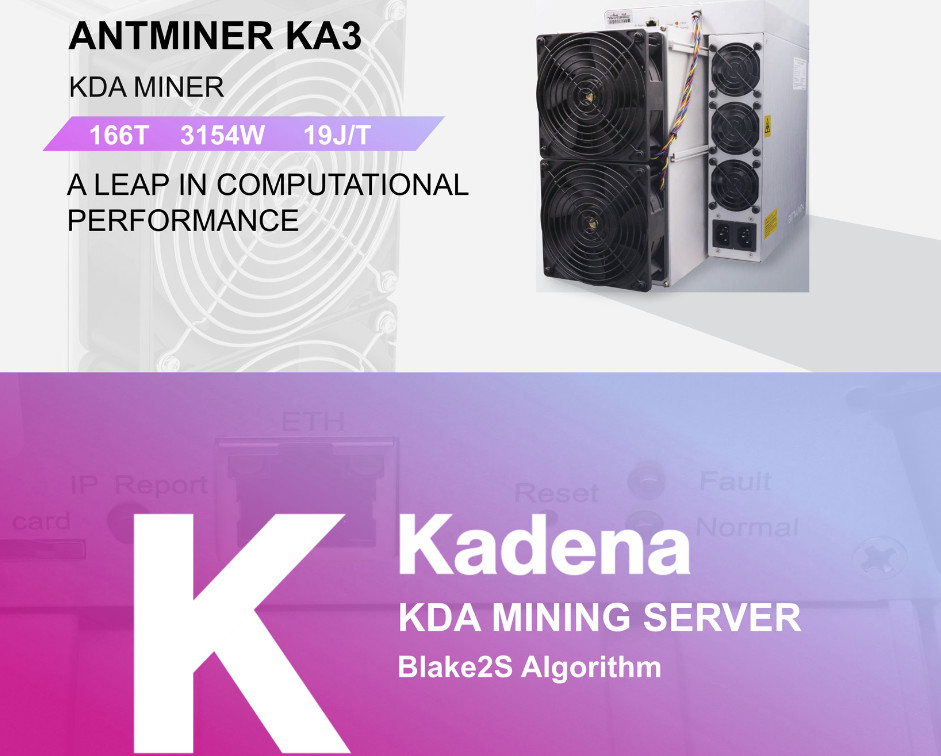
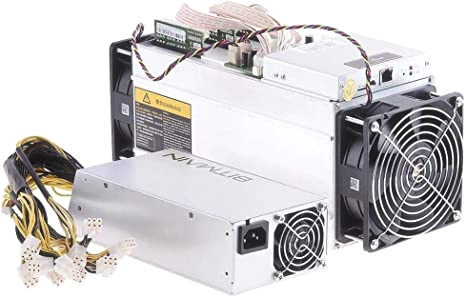
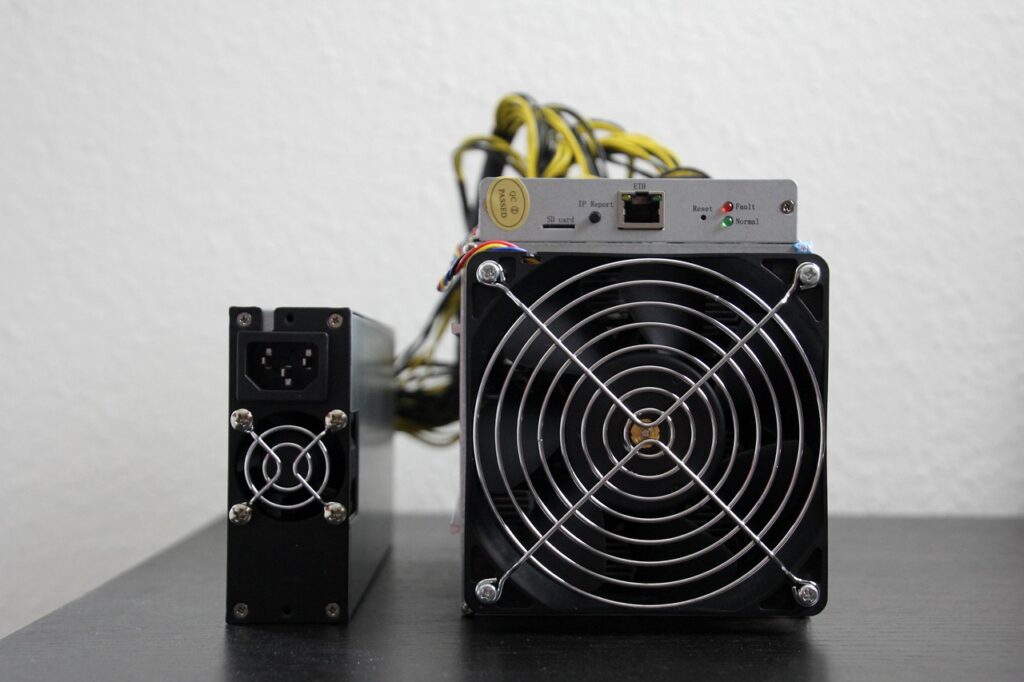
- Hardware Costs: The initial investment in mining hardware can be substantial. ASIC miners, which are specifically designed for Bitcoin mining, can be expensive and may require regular upgrades.
- Market Volatility: The profitability of mining can fluctuate significantly based on Bitcoin’s market price. Miners must constantly assess their operations to ensure they remain profitable.
Technological Innovations
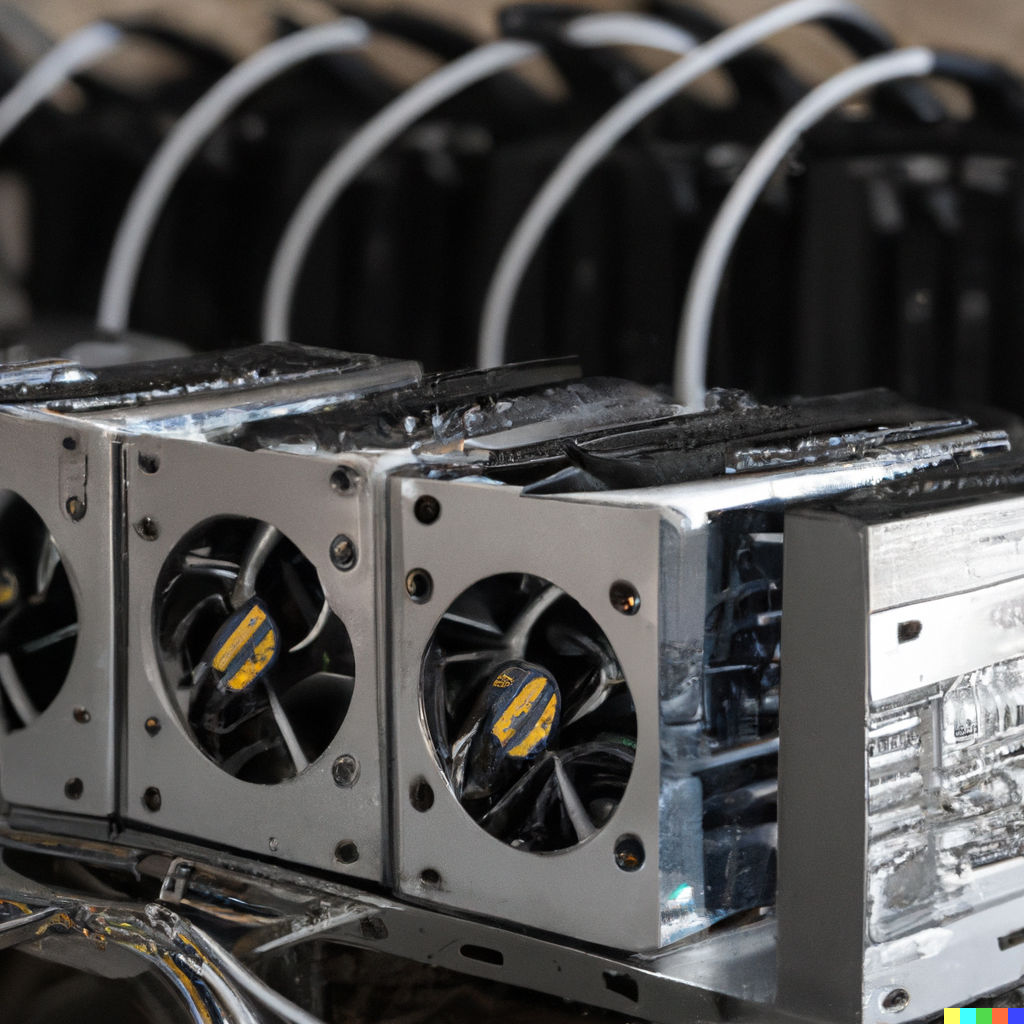
As the mining landscape evolves, technological advancements play a crucial role in improving efficiency. Innovations in cooling systems, energy sources, and mining hardware are helping miners reduce costs and increase profitability. For instance, some facilities are now utilizing renewable energy sources to power their operations, addressing environmental concerns while lowering costs.
The Future of Bitcoin Mining
The future of Bitcoin mining is closely tied to the broader cryptocurrency ecosystem. As regulatory scrutiny increases, miners may face new challenges and opportunities. For instance, upcoming oversight hearings may impact how mining operations are regulated in various jurisdictions (CoinDesk).
Moreover, advancements in quantum computing pose potential threats to Bitcoin’s security. While current quantum computers cannot break Bitcoin’s encryption, the need for future upgrades is becoming increasingly apparent (CoinDesk).
In conclusion, Bitcoin mining remains a vital component of the cryptocurrency ecosystem. Understanding its processes, challenges, and future prospects is essential for anyone interested in the world of digital currencies. For more insights on related topics, check out the comprehensive guide on Scrypt Mining from OneMiners.
Additional reading: Tracy Schuchart: Bitcoin Trading “Like a Risk Asset” as Fed Hikes Loom from Bitcoin Magazine.