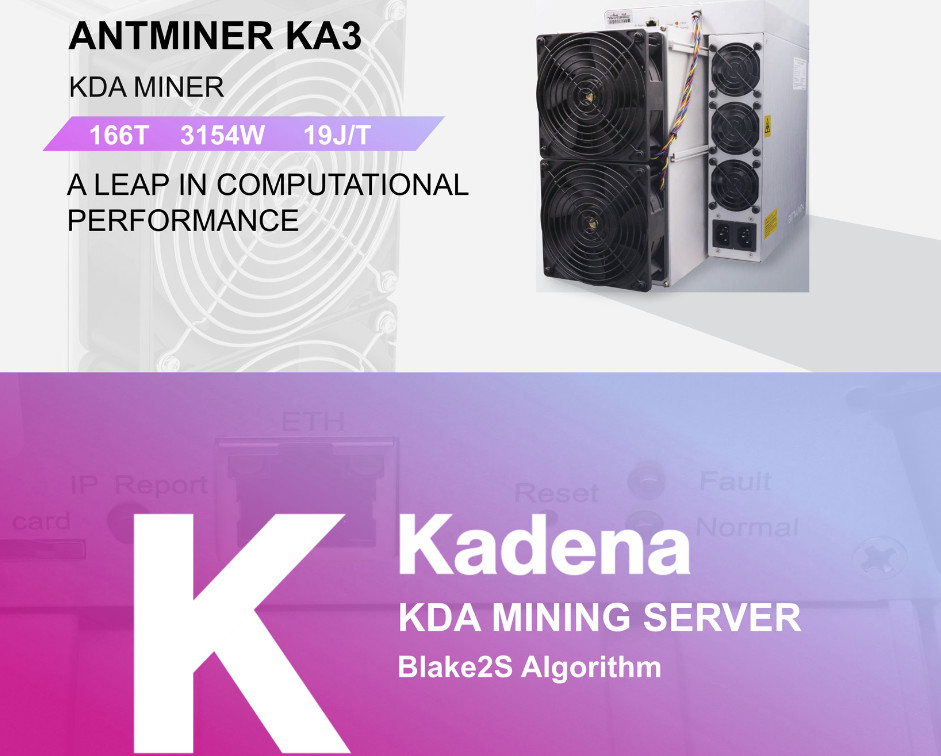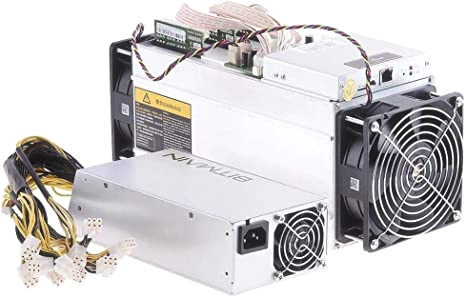


Bitcoin mining is a crucial process that underpins the entire Bitcoin network. It involves solving complex mathematical problems to validate transactions and add them to the blockchain. This article will explore the intricacies of Bitcoin mining, its technology, and its impact on the cryptocurrency market.
What is Bitcoin Mining?
At its core, Bitcoin mining is the process of creating new bitcoins and verifying transactions on the Bitcoin network. Miners use powerful computers to solve cryptographic puzzles, and in return, they are rewarded with bitcoins. This process not only secures the network but also ensures the integrity of the blockchain.
The Mining Process
The mining process can be broken down into several key steps:
- Transaction Verification: Miners collect transactions from the Bitcoin network and verify their authenticity.
- Block Creation: Verified transactions are grouped into a block, which is then added to the blockchain.
- Proof of Work: Miners compete to solve a complex mathematical problem, known as proof of work, to validate the block.
- Reward Distribution: The first miner to solve the problem receives a block reward, which includes newly minted bitcoins and transaction fees.
Technological Aspects of Bitcoin Mining
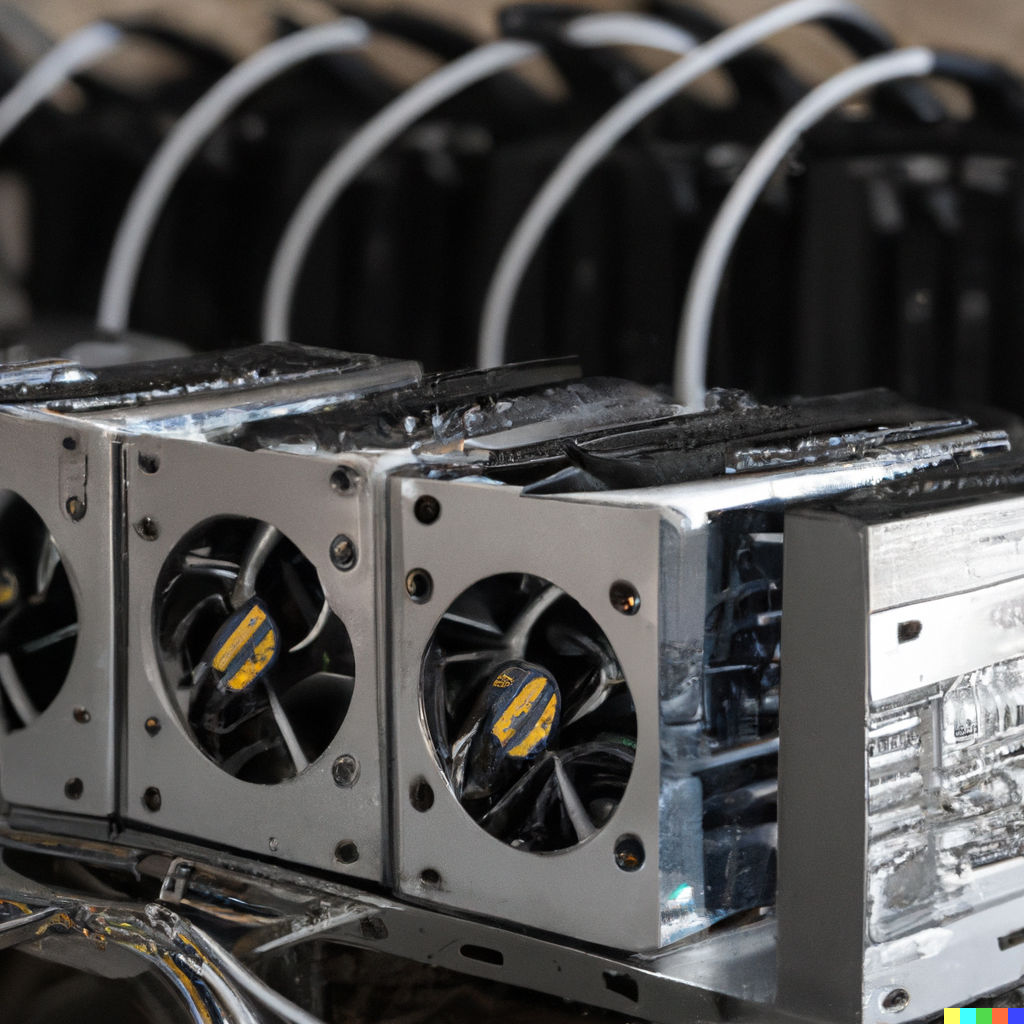
Bitcoin mining relies on specialized hardware known as ASICs (Application-Specific Integrated Circuits). These devices are designed specifically for mining and offer significantly higher efficiency compared to traditional CPUs or GPUs. The rise of ASICs has led to increased competition in the mining space, making it essential for miners to stay updated on the latest technology.
Additionally, mining pools have emerged as a popular solution for individual miners. By joining a pool, miners can combine their computational power to increase their chances of solving blocks and receiving rewards. This collaborative approach has made mining more accessible to those who may not have the resources to compete individually.
Energy Consumption and Environmental Impact
One of the most significant criticisms of Bitcoin mining is its energy consumption. The process requires vast amounts of electricity, leading to concerns about its environmental impact. According to a report by CoinDesk, the energy used in Bitcoin mining is comparable to that of some small countries.
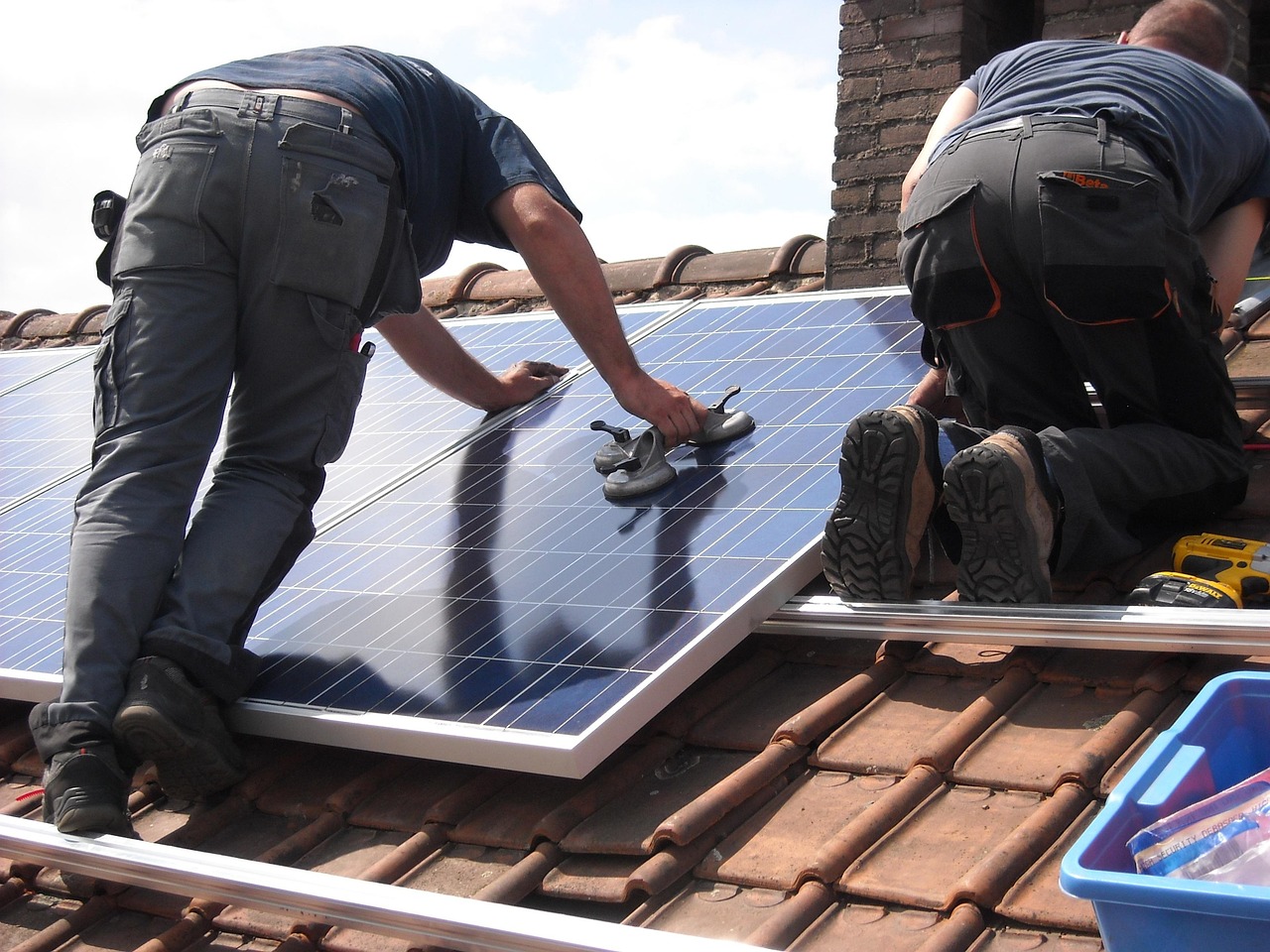
Efforts are being made to mitigate these concerns, with some miners turning to renewable energy sources. For instance, mining operations powered by solar or wind energy are becoming more common, aiming to reduce the carbon footprint associated with Bitcoin mining.
The Future of Bitcoin Mining
As the Bitcoin network evolves, so too will the mining landscape. Innovations in technology, energy efficiency, and regulatory frameworks will shape the future of mining. For example, the integration of quantum computing could revolutionize the mining process, making it faster and more efficient.
Moreover, as Bitcoin continues to gain mainstream acceptance, the demand for mining will likely increase. This could lead to further advancements in mining technology and practices, ensuring that the network remains secure and efficient.
For more insights into the evolving world of cryptocurrency mining, check out the article on OneMiners.
Conclusion
Bitcoin mining is a complex yet fascinating process that plays a vital role in the cryptocurrency ecosystem. Understanding its mechanics, technological advancements, and environmental implications is essential for anyone interested in the future of digital currencies. As the industry continues to evolve, staying informed will be key to navigating the challenges and opportunities that lie ahead.
Additional reading: ByteTree CEO: This $170 Trillion Industry Is “The Most Important Thing for Bitcoin” from Bitcoin Magazine.